


Building and Maintaining Muscle Mass: The Key to Lifelong Health

Introduction
When it comes to health and longevity, there’s an often overlooked factor that deserves more attention: skeletal muscle mass. While discussions about obesity and body fat dominate the conversation, the importance of maintaining healthy muscle mass throughout life is frequently underappreciated. In this article, we’ll explore why muscle is a critical organ for overall health, the consequences of losing muscle mass with age, and strategies to maintain and build muscle for optimal health and longevity.
Muscle: The Largest Organ in the Body
Skeletal muscle is not just for movement and strength. It’s actually the largest organ in the human body and plays a vital role in numerous metabolic processes. Some key functions of muscle include:
- Glucose disposal: Muscle is the primary site where glucose is stored and burned for energy, making it critical for blood sugar regulation and preventing diabetes.
- Inflammation reduction: Contracting muscles release myokines, which are anti-inflammatory substances that combat chronic inflammation throughout the body.
- Amino acid reservoir: Muscle stores amino acids that can be used to support the immune system and other vital functions during times of stress or illness.
The Silent Epidemic of Poor Muscle Mass
While obesity gets a lot of attention, there’s another epidemic that often goes unnoticed: poor muscle mass, also known as sarcopenia. Many people, especially as they age, are “under-muscled” despite appearing overweight. This loss of muscle mass and strength is a major contributor to frailty, falls, reduced metabolism, and loss of independence in older adults.
Sarcopenia is often overlooked because it’s a gradual process and not as visibly apparent as excess body fat. However, even people who maintain a stable weight throughout life can be losing significant amounts of muscle and simultaneously gaining fat if they aren’t engaging in regular resistance exercise and consuming adequate protein.
Anabolic Resistance and the Need for More Protein with Age
As we age, our bodies undergo hormonal changes that make it harder for muscles to utilize protein efficiently for growth and repair. This phenomenon is called anabolic resistance. After around age 40, levels of anabolic hormones like testosterone and growth hormone begin to naturally decline. As a result, older adults require a higher protein intake to stimulate muscle protein synthesis compared to younger people.
General protein recommendations are around 0.8 grams per kilogram of body weight per day. However, research suggests that older adults may need closer to 1.2-1.6 g/kg/day, especially if they have existing muscle loss or are recovering from illness or injury. Dividing protein intake evenly across meals and consuming protein in combination with resistance exercise can help overcome anabolic resistance.
Animal vs. Plant Protein for Building Muscle
Protein is made up of amino acids, but not all dietary proteins are created equal. Animal proteins like meat, eggs, and dairy are considered “complete” proteins because they contain all nine essential amino acids in the ratios needed by humans. Plant proteins often have lower amounts of certain essential amino acids, making them less optimal for muscle building.
However, this doesn’t mean you can’t build and maintain muscle on a plant-based diet. Combining complementary plant proteins (like rice and beans) or supplementing with individual amino acids can help make up for any deficiencies. The key is ensuring you’re getting enough total protein and engaging in regular resistance training.
Some plant-based athletes are able to build impressive physiques through very rigorous training regimens. The extra exercise stimulus allows them to overcome potentially lower dietary protein quality and quantity. But for the average person just looking to age well and maintain functional strength, animal proteins (or well-planned combinations of plant proteins) are generally most efficient and practical.
Resistance Training: The Other Half of the Equation
While protein provides the building blocks, resistance exercise provides the stimulus for muscle growth. Lifting weights or doing bodyweight exercises that challenge your muscles is essential for maintaining and building lean mass, especially as you get older.
Resistance training has been shown to:
- Increase muscle mass and strength, even in the elderly
- Improve bone density and reduce risk of osteoporosis
- Enhance balance and coordination, lowering risk of falls
- Improve glucose metabolism and insulin sensitivity
- Boost cognitive function and mood
Aim to do resistance training at least twice per week, hitting all major muscle groups. Start light and focus on proper form before gradually increasing weight or resistance over time. If you’re new to strength training, consider working with a qualified trainer to develop a safe and effective routine.
Protein Recommendations and Tracking Progress
So how much protein should you be eating to support healthy muscles? A general rule of thumb is to consume around 30% of your total daily calories from protein, or about 1 gram per pound of lean body mass.
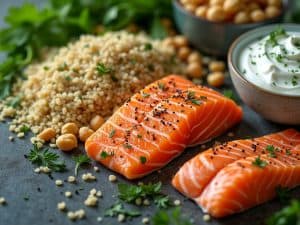
For a 150-pound person with a lean mass of 100 pounds, that would equate to 100 grams of protein per day, divided across several meals. Good sources include:
- Eggs
- Fish and seafood
- Poultry
- Lean meats
- Low-fat dairy products
- Legumes, nuts, and seeds
To assess whether you’re maintaining or gaining muscle over time, consider getting a DEXA scan. This non-invasive test uses X-ray beams to measure your body composition, including fat mass, lean mass, and bone density. Many doctors and medical facilities offer DEXA scans, sometimes at a discounted rate as part of a wellness package.
Conclusion
Skeletal muscle is an underappreciated organ that’s vital to health and longevity. By consuming adequate protein, engaging in regular resistance training, and monitoring your muscle mass, you can combat sarcopenia and set yourself up for a longer, stronger, more active life. If you’re unsure about your specific dietary needs or how to start an exercise program, consult with a qualified healthcare provider for personalized guidance. It’s never too early or too late to start prioritizing your muscle health.