


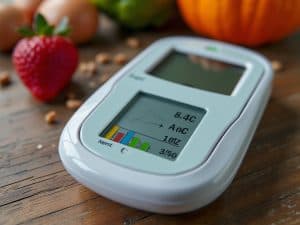
Decoding Blood Sugar: The Crucial Role of Context in Interpreting Glucose and A1C Results
Blood Sugar Monitoring
In the realm of health and wellness, few topics are as crucial yet often misunderstood as blood sugar regulation. As our understanding of metabolic health evolves, so too does the importance of accurately interpreting blood sugar markers. This article delves into the intricacies of fasting blood sugar levels and A1C results, highlighting why context is king when it comes to these vital health indicators.
The Basics of Blood Sugar Measurement
Before we dive into the nuances of interpretation, it’s essential to understand the two primary methods of assessing blood sugar control: fasting blood glucose and hemoglobin A1C (HbA1c).
Fasting Blood Glucose
Fasting blood glucose is a snapshot of your blood sugar levels after an overnight fast. It’s typically measured in the morning before eating or drinking anything other than water. This test provides immediate information about your body’s ability to regulate glucose in the absence of food.
Hemoglobin A1C (HbA1c)
HbA1c, on the other hand, offers a longer-term view of blood sugar control. This test measures the percentage of hemoglobin proteins in your red blood cells that are glycated (bonded with glucose). Since red blood cells typically live for about three months, the A1C test gives an average picture of blood sugar levels over the past 2-3 months.
Optimal Ranges: Moving Beyond Conventional Wisdom
When it comes to interpreting these tests, it’s crucial to understand that optimal ranges may differ from conventional reference ranges. Let’s explore why this distinction matters.
Fasting Blood Glucose: The Functional Medicine Perspective
In conventional medicine, a fasting blood glucose level below 100 mg/dL is generally considered normal. However, from a functional medicine standpoint, the optimal range is more stringent. Practitioners in this field often aim for fasting glucose levels under 90 mg/dL.
This lower threshold is based on the understanding that even slightly elevated blood sugar levels can be an early indicator of metabolic dysfunction. By catching and addressing these subtle shifts early, the goal is to prevent the progression to more serious conditions like prediabetes or type 2 diabetes.
A1C: A Three-Month Average
For A1C, the conventional normal range is typically below 5.7%. However, functional medicine practitioners often strive for levels below 5.4%. This tighter range aligns with research suggesting that even A1C levels in the upper 5% range can be associated with increased cardiovascular risk and other health concerns.
The Paradox: When Fasting Glucose and A1C Don’t Align
One of the most perplexing scenarios in blood sugar assessment occurs when fasting glucose and A1C results seem to tell different stories. For instance, a patient might have fasting glucose in the low 100s (slightly elevated) but a normal A1C. How can we make sense of this apparent contradiction?
Introducing Physiological Insulin Resistance
To understand this phenomenon, we need to introduce the concept of physiological insulin resistance. This is distinct from pathological insulin resistance, which is associated with metabolic syndrome and type 2 diabetes.
Physiological insulin resistance is a normal adaptation that can occur in certain circumstances. It’s often seen in individuals who follow low-carbohydrate diets or engage in intermittent fasting. In these cases, the body becomes more efficient at sparing glucose for the brain, which can result in slightly elevated fasting glucose levels.
The Dawn Phenomenon
Another factor that can contribute to elevated fasting glucose is the dawn phenomenon. This natural process involves a surge of hormones, including cortisol and growth hormone, in the early morning hours. These hormones can cause a temporary increase in blood sugar levels, even in individuals with otherwise normal glucose regulation.
The Importance of a Comprehensive Panel
Given the complexities of blood sugar regulation, it’s clear that relying on a single marker can be misleading. A comprehensive metabolic panel provides a more complete picture of metabolic health. Here are some additional markers that can offer valuable context:
HDL Cholesterol
High-density lipoprotein (HDL) cholesterol, often referred to as “good” cholesterol, plays a role in metabolic health. In functional medicine, an optimal HDL level is typically considered to be above 59 mg/dL. Low HDL levels can be associated with insulin resistance and increased cardiovascular risk.
Triglycerides
Triglycerides are a type of fat found in the blood. Elevated triglycerides can be an early warning sign of insulin resistance, often appearing before changes in glucose or A1C become apparent. The optimal range for triglycerides is generally considered to be below 100 mg/dL.
Insulin Levels
Measuring fasting insulin levels can provide insight into insulin sensitivity. Elevated insulin levels, even in the presence of normal glucose, can indicate developing insulin resistance.
The HDL-Triglyceride Ratio: A Metabolic Crystal Ball
One particularly useful metric in assessing metabolic health is the HDL-triglyceride ratio. This ratio can offer insights into insulin sensitivity and metabolic function that may not be apparent from glucose or A1C alone.
A healthy HDL-triglyceride ratio typically involves HDL levels above 59 mg/dL and triglycerides below 100 mg/dL. Deviations from this pattern can signal underlying metabolic disturbances, even when glucose and A1C appear normal.
Beyond Blood Sugar: Other Markers of Metabolic Health
While glucose and A1C are central to assessing metabolic health, a truly comprehensive approach considers additional markers:
Liver Enzymes
Elevated liver enzymes, particularly AST, ALT, and GGT, can indicate fatty liver disease, which is closely associated with insulin resistance and metabolic dysfunction.
Inflammatory Markers
Chronic low-grade inflammation is often a hallmark of metabolic syndrome. Markers like high-sensitivity C-reactive protein (hs-CRP) can provide insight into systemic inflammation.
Advanced Lipid Testing
Beyond standard lipid panels, advanced testing like nuclear magnetic resonance (NMR) can provide detailed information about lipoprotein particle size and number. Small, dense LDL particles, for instance, are associated with increased cardiovascular risk and often accompany insulin resistance.
The Insulin Resistance Spectrum: A Continuum of Risk
It’s crucial to understand that insulin resistance exists on a spectrum. By the time a patient is diagnosed with type 2 diabetes or even prediabetes, metabolic dysfunction has typically been present for years.
Research suggests that the majority of adults in Western countries – some estimates suggest 60-70% – have some degree of insulin resistance. This underscores the importance of early detection and intervention.
Interpreting Results: The Art and Science of Metabolic Assessment
Given the complexities involved, interpreting blood sugar and related markers is both an art and a science. Here are some key principles to keep in mind:
- Context is crucial. A single elevated marker should prompt further investigation, not immediate concern.
- Look for patterns. Consistent elevations or trends over time are more informative than isolated results.
- Consider lifestyle factors. Diet, exercise, stress, and sleep can all influence metabolic markers.
- Individualize interpretation. What’s optimal for one person may not be ideal for another, based on overall health status and goals.
Lifestyle Interventions: The First Line of Defense
When subtle metabolic imbalances are detected, lifestyle interventions are often the first and most effective line of defense. These may include:
- Dietary modifications, such as reducing refined carbohydrates and increasing fiber intake
- Regular physical activity, with a focus on both aerobic exercise and resistance training
- Stress management techniques, including meditation or yoga
- Optimizing sleep quality and duration
- Targeted supplementation, based on individual needs and under professional guidance
The Role of Continuous Glucose Monitoring
As technology advances, continuous glucose monitoring (CGM) is becoming increasingly accessible. These devices provide real-time data on blood sugar fluctuations, offering insights that occasional fasting glucose or A1C tests can’t capture.
CGM can be particularly useful for:
- Identifying individual responses to different foods
- Understanding the impact of exercise on blood sugar
- Detecting nocturnal hypoglycemia or hyperglycemia
- Fine-tuning lifestyle interventions for optimal glucose control
The Future of Metabolic Health Assessment
As our understanding of metabolic health continues to evolve, so too will our methods of assessment. Future developments may include:
- More sophisticated biomarkers that offer earlier detection of metabolic dysfunction
- Advanced algorithms that integrate multiple data points for personalized risk assessment
- Wearable devices that provide continuous monitoring of multiple metabolic parameters
- Personalized nutrition and lifestyle recommendations based on individual metabolic profiles
Embracing a Holistic Approach to Metabolic Health
In conclusion, while fasting glucose and A1C remain important tools in assessing metabolic health, they are most valuable when considered as part of a broader picture. By embracing a more comprehensive, nuanced approach to metabolic assessment, we can detect subtle imbalances early and implement targeted interventions to promote optimal health and longevity.
As we move forward, the key lies in integrating traditional markers with emerging technologies and a deeper understanding of individual variability. This holistic approach promises to revolutionize how we approach metabolic health, moving from reactive treatment to proactive optimization.