

Glucose: The Overlooked Key to Long-Term Wellness?
Rethinking “Normal” Blood Sugar
For decades, medicine viewed glucose homeostasis in binary terms – diagnosed diabetes, or nothing to see here. But the accelerating diabetes epidemic and new continuous monitoring technology reveal a much more nuanced picture with profound implications.
Even below diabetes thresholds, evidence now indicates glucose levels correlate strongly with multi-system health and lifespan. Chronically elevated glucose incrementally damages tissues through inflammatory and oxidative pathways. Yet because symptoms manifest slowly, the effects are easily missed.
Questioning Conventional Metrics
Primary care defines normal glucose as under 100 mg/dL fasting or up to 140 mg/dL after meals. But just as “normal” cholesterol still carries cardiac risk, evidence suggests far lower thresholds for optimal glucose, likely below 90 mg/dL fasting.
Likewise, hemoglobin A1c (HbA1c) has questionable accuracy due to confounds like red blood cell lifespan. Direct glucose measurement better captures health impacts – especially subtle variability.
Enter Continuous Monitoring
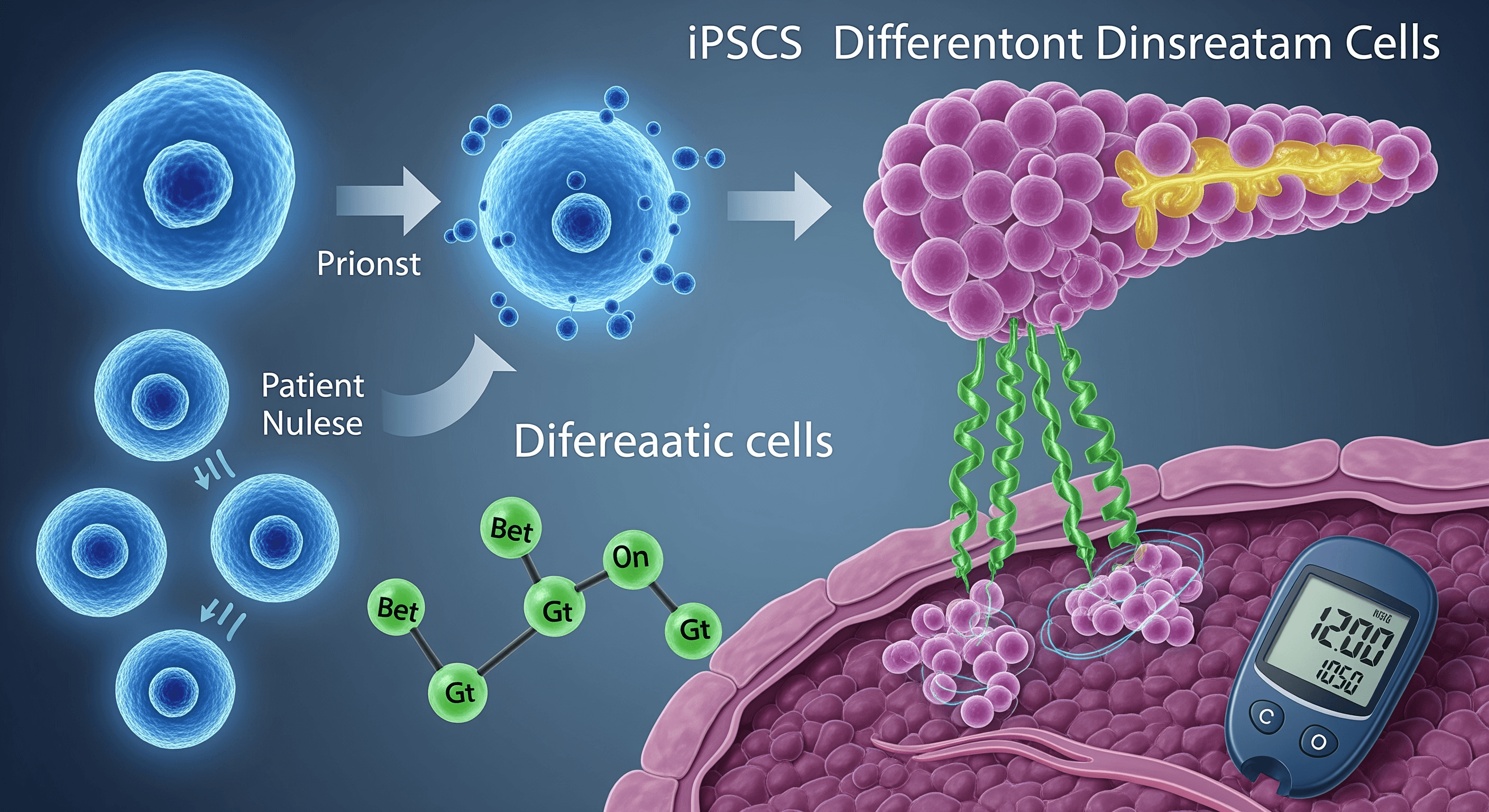
Unlike spot checks, continuous glucose monitoring (CGM) tracks interstitial fluid sugar in real-time, revealing detailed trends. Falling costs and improved algorithms now enable analysis of how nutrition, activity, sleep and stress influence glycemic patterns.
The Glucose Health Pyramid
Extensive CGM datasets have uncovered key metrics for optimizing glucose homeostasis and thus cellular health.
Base: Lower Average Level
While avoiding hypoglycemia, reducing mean glucose even within “normal” range appears beneficial. Ideal fasting glucose may be below 90 mg/dL rather than up to 100 mg/dL.
Second Tier: Minimized Variability
High fluctuation signifies dysfunctional coordination of insulin and glucagon. Assessing CGM standard deviation quantifies volatility, with lower better for health.
Top: Fewer Glucose Peaks
Transient spikes above 140-150 mg/dL boost inflammation and oxidative stress. Total peak area matters more than brief excursions.
The Future: Glucose Fine-Tuning?
As paradigm shifts from disease treatment to wellness optimization, glucose fine-tuning through nutrition/lifestyle tweaks may become routine – decades before illness. Some envision future AI platforms analyzing CGM patterns to generate personalized diet, activity and even drug regimens for smoothing individuals’ glycemic variability.
The goal? To gently guide glucose homeostasis into zones maximizing lifespan and vitality. Precision glucose moderation could thereby open exciting possibilities for preventive health.