


Harnessing the Power of Nutrient-Dense Foods to Recover from Chronic Disease

For those struggling with chronic autoimmune conditions like multiple sclerosis (MS), the road to recovery can seem daunting. However, inspiring stories of individuals who have successfully reversed their symptoms through dietary and lifestyle changes offer hope that healing is possible. By focusing on nutrient density and plant diversity, it may be possible to support the body’s innate healing mechanisms and regain health, even in the face of serious chronic diseases.
The Journey from Diagnosis to Recovery
Many individuals with MS and other autoimmune conditions experience a gradual onset of symptoms, which can eventually progress to significant disability. In severe cases, people may become wheelchair-bound and require aggressive medical treatments to slow the disease progression. However, some have found that by radically changing their diet and reading the latest research, they were able to experience a remarkable recovery.
One such protocol that has shown promise is a nutrient-dense, plant-rich diet that emphasizes specific food groups and a wide variety of plant species. By providing the body with an abundance of vitamins, minerals, antioxidants, and other beneficial compounds, this approach aims to support optimal function of the immune system, brain, and other vital systems.
The Key Components of a Nutrient-Dense Diet
So what exactly does a nutrient-dense diet for autoimmune recovery entail? One approach recommends consuming nine cups of vegetables per day, divided into three specific categories:
- 3 cups of greens, such as kale, collards, and spinach
- 3 cups of sulfur-rich vegetables, like cabbage, onions, and mushrooms
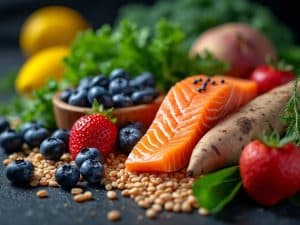
- 3 cups of colorful vegetables, with an emphasis on blue, purple, black, and deep orange/yellow hues
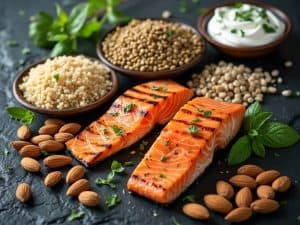
In addition to this abundant vegetable intake, the protocol also includes organ meats, wild-caught fish, and sea vegetables as concentrated sources of hard-to-obtain nutrients. Organ meats like liver are among the most nutrient-dense foods on the planet, providing ample amounts of vitamin A, B vitamins, iron, zinc, and other essential nutrients. Cold-water fatty fish provide anti-inflammatory omega-3 fats, while sea vegetables offer iodine and other unique compounds.
The Importance of Plant Diversity for Gut Health
Another key aspect of a nutrient-dense diet for autoimmune recovery is diversity. Specifically, aiming to consume a wide variety of plant foods over the course of a year. One recommendation is to strive for 200 different plant species annually, which can include not only vegetables and fruits, but also herbs, spices, teas, and other plant-based foods.
This plant diversity is critical for supporting a healthy and resilient gut microbiome. The trillions of bacteria that reside in the digestive tract play a vital role in regulating the immune system, brain function, and overall health. By providing these beneficial microbes with a wide array of plant fibers and phytochemicals, we can promote a diverse and well-balanced microbiome that is better equipped to handle challenges.
Practical Strategies for Incorporating Nutrient-Dense Foods
For those new to this way of eating, incorporating such a high volume of vegetables and nutrient-dense foods can seem overwhelming at first. However, with a little creativity and planning, it can become a delicious and satisfying way of life.
One of the most challenging foods for many people to incorporate is organ meats like liver. However, there are many ways to make liver palatable and even enjoyable. Some tips include:
- Soaking liver in milk or lemon juice before cooking to mellow the flavor
- Pureeing cooked liver and adding it to ground meat dishes like meatballs or chili
- Sautéing liver with onions, garlic, and bacon for a savory and flavorful dish
- Making a nutrient-dense pate by blending liver with herbs, spices, and healthy fats
In addition to liver, other organ meats like heart, kidney, and tongue can also be incorporated into a nutrient-dense diet. Slow-cooking, braising, and pureeing are all effective methods for making these unusual cuts more approachable.
When it comes to vegetables, focusing on variety and color is key. Aim to eat the rainbow by including a mix of red, orange, yellow, green, blue, and purple produce at each meal. Experiment with different cooking methods like roasting, sautéing, and fermenting to keep things interesting and delicious.
Overcoming Digestive Challenges on a New Diet
For some people, transitioning to a high-fiber, nutrient-dense diet can come with some digestive challenges, particularly in the beginning. Common issues include constipation, bloating, and irregular bowel movements.
If constipation is a problem, increasing soluble fiber intake gradually and staying well-hydrated can help. Soaking and sprouting grains and legumes, if consumed, can also make them more digestible. Probiotic-rich fermented foods like sauerkraut, kimchi, and kefir can support healthy bowel motility and regularity.
On the other hand, if stools become too loose or frequent, temporarily reducing fiber intake and focusing on cooked rather than raw vegetables may be helpful. Bone broth and other gut-soothing foods can also be beneficial for those with sensitive digestive systems.
If bloating or gas is an issue, paying attention to common trigger foods like cruciferous vegetables, onions, and garlic may be necessary. Cooking these foods well and consuming them in smaller amounts can often mitigate symptoms. Digestive enzymes and herbal bitters may also provide relief for some individuals.
Dealing with Setbacks and Flare-Ups
Even for those who have experienced significant recovery through diet and lifestyle changes, setbacks and flare-ups can still occur. Whether due to accidental gluten exposure, a stressful life event, or another trigger, having a plan in place for dealing with these episodes is important.
Some strategies that may be helpful during a flare-up include:
- Temporarily simplifying the diet and focusing on nutrient-dense, easily digestible foods like bone broth, pureed soups, and cooked vegetables
- Increasing intake of anti-inflammatory foods and supplements like omega-3 fats, turmeric, and ginger
- Prioritizing stress management practices like meditation, deep breathing, and gentle movement
- Working with a healthcare practitioner to identify and address any underlying triggers or imbalances
It’s also important to remember that healing is not always a linear process. Setbacks and flare-ups do not negate the progress that has been made, and they can often provide valuable insights into what does and does not work for an individual’s unique physiology.
The Role of Clinical Research in Validating Nutritional Approaches
While anecdotal reports of recovery through diet and lifestyle changes are compelling, clinical research is necessary to validate these approaches and understand their potential mechanisms of action. Fortunately, a growing body of scientific literature supports the role of nutrition in modulating autoimmune disease activity.
Several studies have specifically investigated the impact of a nutrient-dense, plant-rich diet on MS outcomes. One study found that individuals following this protocol experienced significant reductions in fatigue and improvements in quality of life compared to a control group. Another study demonstrated improvements in walking ability and cognitive function among participants adhering to the diet.
These promising findings suggest that a nutrient-dense, whole-foods approach may be a valuable adjunct to conventional MS treatments, and may even have the potential to reverse disease progression in some cases. However, more research is needed to fully understand the long-term efficacy and safety of these dietary interventions.
Empowering Patients to Take Control of Their Health
For those living with chronic diseases like MS, taking an active role in one’s own health and healing can be a transformative experience. By educating themselves about the latest research, connecting with others who have had success with dietary approaches, and working closely with supportive healthcare practitioners, patients can feel empowered to make positive changes in their lives.
This process of self-discovery and experimentation can be challenging at times, but it can also be deeply rewarding. Many people report not only improvements in their physical symptoms, but also a greater sense of vitality, resilience, and overall well-being.
Ultimately, the power of nutrient-dense foods to support healing lies not only in their biochemical properties, but also in their ability to nourish us on a deeper level. By connecting with the innate wisdom of our bodies and the healing potential of whole, unprocessed foods, we can tap into a profound source of resilience and vitality that can serve us throughout our lives.
The Future
While there is no one-size-fits-all approach to recovering from chronic disease, the principles of nutrient density and plant diversity offer a compelling framework for supporting the body’s innate healing capacities. By emphasizing whole, unprocessed foods, particularly those that are rich in essential vitamins, minerals, and phytochemicals, we can provide our bodies with the raw materials they need to function optimally.
For those living with autoimmune conditions like MS, adopting a nutrient-dense, plant-rich diet may be a powerful tool for managing symptoms, slowing disease progression, and even promoting recovery. By working closely with healthcare practitioners, connecting with others on a similar path, and staying curious and open-minded, patients can take an active role in their own healing journey.
Ultimately, the power of food as medicine lies in its ability to nourish us on all levels – physical, emotional, and spiritual. By reconnecting with the innate wisdom of our bodies and the healing potential of whole, unprocessed foods, we can tap into a profound source of resilience and vitality that can transform our health and our lives.