

Harnessing the Power of Nutrition: How Food Affects Health, Mind and Relationships
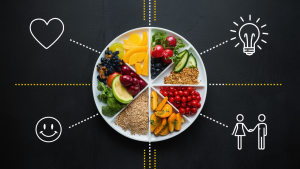
The food we eat has a profound impact on our overall health and wellbeing, influencing not just our physical health but also our emotional states, cognitive function and even our behavior and relationships. By understanding the science behind nutrition and making informed choices about the foods we consume, we can harness the power of nutrition to optimize our health, mind and metabolism.
You Are What You Eat: How Food Builds Our Bodies
The old adage “you are what you eat” is literally true. The foods we consume provide the raw materials that our bodies use to build and repair tissues, from our bones and muscles to our brain cells. This means that the quality of our diet directly impacts the health and function of our entire body.
Processed, nutrient-poor foods can lead to deficiencies in essential vitamins, minerals and other compounds that support optimal health. Over time, a poor diet can contribute to chronic inflammation, impaired metabolic function, and an increased risk of various diseases.
On the other hand, a nutrient-dense diet rich in whole, unprocessed foods can provide the building blocks for a healthy body and mind. By focusing on consuming a wide variety of colorful fruits and vegetables, high-quality proteins, and healthy fats, we can support the health of every cell and system in our body.
The Impact of Nutrition on Metabolism and Weight Management
Metabolism is the set of chemical reactions that occur in our cells to convert food into energy and build or repair tissues. Our metabolic health plays a key role in maintaining a healthy weight, regulating blood sugar levels, and preventing chronic diseases like obesity and type 2 diabetes.
However, several factors can impair metabolic function and make weight management more challenging, even when following a reduced-calorie diet and exercising regularly. Three key impediments to fat loss and a healthy metabolism include:
- Neuro-inflammation in the brain, which can disrupt hunger and fullness signals
- Chronic inflammation throughout the body
- Nutrient deficiencies that impair metabolic pathways
By addressing these underlying issues through targeted nutrition and lifestyle strategies, it’s possible to reboot your metabolism and achieve sustainable weight loss. Some evidence-based approaches include:
- Reducing intake of pro-inflammatory foods like refined carbs, added sugars and industrial seed oils
- Increasing consumption of anti-inflammatory foods like colorful plant foods, omega-3 fats, and spices like turmeric
- Supporting brain health with nutrients like omega-3s, antioxidants, and oleocanthal-rich olive oil
- Staying well-hydrated with water and non-caffeinated beverages
- Managing stress through mindfulness practices and adequate sleep
Nutrition for a Healthy Brain and Balanced Mood
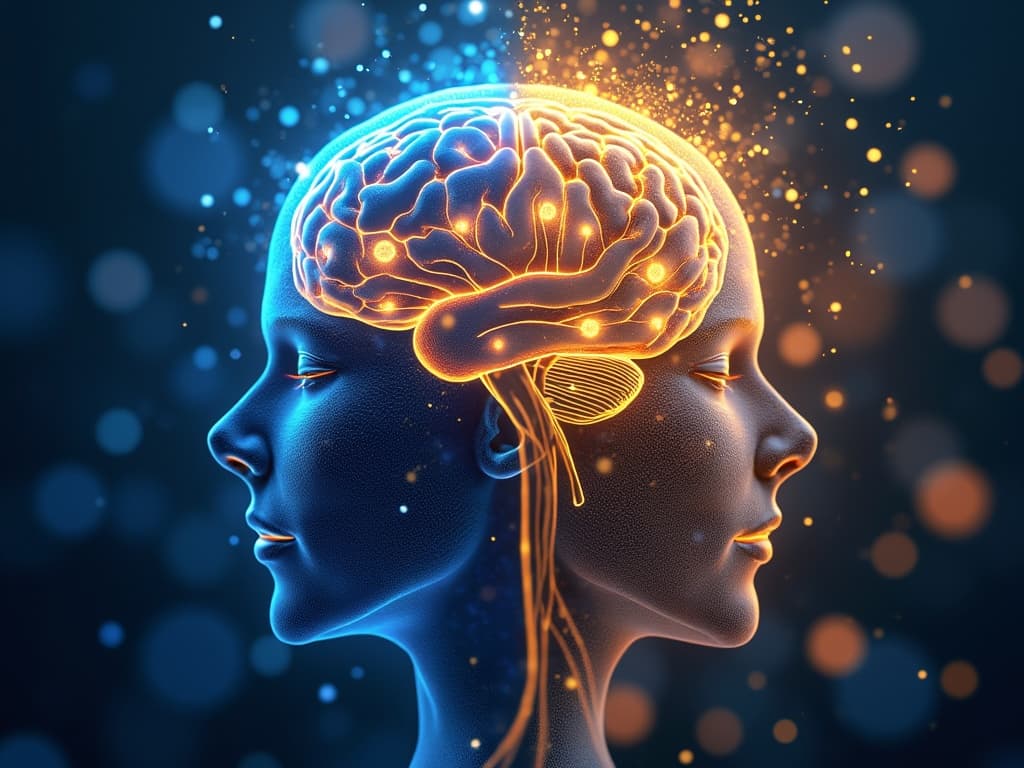
The foods we eat don’t just impact our physical health; they also have profound effects on our brain function and emotional wellbeing. The brain requires a steady supply of nutrients to operate at peak capacity, and deficiencies in certain vitamins, minerals and fats have been linked to a higher risk of depression, anxiety, attention deficits and other mental health concerns.
Studies have shown that well-nourished individuals tend to have better cognitive function, memory, focus and mental resilience compared to those with nutrient-poor diets. Certain foods and nutrients seem to be especially protective of brain health, such as:
- Omega-3 fats found in fatty fish, algae, and nuts and seeds
- Antioxidant-rich plant foods like berries, leafy greens, and cacao
- Compounds in olive oil, green tea, and coffee
- Probiotics and prebiotics that support a healthy gut-brain connection
On the other hand, a diet high in refined carbs, added sugars, trans fats and artificial ingredients has been associated with a higher risk of mental health disorders. The connection between food and mood appears to be mediated by several mechanisms, including:
- Impacts on neurotransmitter production and function
- Modulation of inflammation in the brain and throughout the body
- Effects on the health and diversity of the gut microbiome
- Epigenetic regulation of gene expression related to mental health
By consuming a nutrient-dense, anti-inflammatory diet and avoiding processed foods and additives, we can support optimal brain function and emotional resilience. Pairing a healthy diet with regular exercise, stress management, adequate sleep and social connection provides the foundation for vibrant mental health.
How Food Choices Affect Behavior and Relationships
Emerging research suggests that our food choices don’t just impact our individual health and wellbeing – they can also shape our behavior and influence the quality of our relationships and social interactions. Studies have found intriguing links between nutrition status and traits like empathy, patience, aggression and even tendencies towards violence.
For example, a study in the journal Aggressive Behavior found that providing prison inmates with nutritional supplementation resulted in a 37% reduction in violent offenses. Another study by researchers at the University of Oxford found that supplementing prisoners’ diets with vitamins, minerals and essential fatty acids led to a 35% reduction in violent incidents.
The mechanisms behind these associations are not fully understood, but may include nutrition’s effects on:
- Neurotransmitter production and function
- Inflammation in the brain and body
- Stress response and emotional regulation
- Cognitive functions like impulse control and judgement
Fascinatingly, research has even shown that the foods we eat can impact our personal relationships and communication with loved ones. A study published in the Proceedings of the National Academy of Sciences found that when couples had low blood sugar, they tended to display more aggression towards each other and have a harder time resolving conflicts.
These studies suggest that good nutrition doesn’t just benefit our own health – it may also help foster more harmonious relationships and social interactions. By making food choices that support balanced mood, mental clarity and emotional resilience, we may show up as more patient, empathetic and constructive in our interactions with others.
Making Healthy Eating Accessible for All
While the science is clear on the power of good nutrition for optimizing health, not everyone currently has equal access to healthy foods. Many low-income communities and communities of color live in “food deserts” where affordable, nutritious options are scarce, and heavily processed and fast foods are abundant.
These disparities in access are driven in part by misaligned government subsidies that provide billions of dollars to support the production of commodity crops like corn and soy, which are used to make many ultra-processed foods, while offering minimal support for specialty crops like fruits and vegetables.
Initiatives to make healthy eating more accessible and affordable for all communities are essential for promoting public health and addressing nutrition-related health disparities. Some promising strategies include:
- Incentivizing the production and distribution of fresh produce and minimally processed foods
- Improving nutrition education and culinary literacy, especially among youth
- Expanding community gardens, farmers markets and mobile produce markets in underserved areas
- Leveraging federal food assistance programs to encourage the purchase of healthy foods
- Partnering with local restaurants and food businesses to offer healthier menu options at affordable price points
By making the healthy choice the easy and affordable choice in every community, we can harness the power of nutrition to promote health equity and wellbeing for all.
The Bottom Line
The foods we eat have profound impacts on every dimension of our health and wellbeing, from our physical fitness and disease risk to our mental health and social interactions. By staying informed about nutritional science and making smart food choices, we all have the opportunity to leverage our diets to feel, function and live better.
While obstacles like food access disparities and nutrition misinformation can make the journey to optimal health more challenging, many individuals and organizations are working to shift our food environments and policies in a healthier direction.
Ultimately, when we recognize and honor the power of food as an essential pillar of health, we open the door to a more vibrant, resilient and connected way of living- for ourselves, our loved ones and our communities.