

The Gut Microbiome: A Critical Factor in Physical and Mental Health
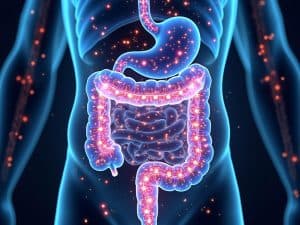
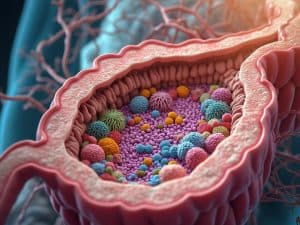
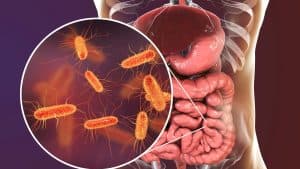
The gut microbiome, the complex ecosystem of trillions of microorganisms residing in our digestive tract, has emerged as a crucial factor in determining overall health and well-being. Recent research has shed light on the profound impact of the gut microbiome on various aspects of human health, ranging from physical conditions like heart disease, cancer, and diabetes to mental health disorders such as depression, anxiety, and attention deficit disorder (ADD).
The Role of the Gut Microbiome in Disease Prevention and Management
The gut microbiome plays a vital role in many bodily functions, including digestion, nutrient absorption, immune system regulation, and even brain function. Imbalances in the gut microbiome, known as dysbiosis, have been linked to a wide range of chronic diseases, such as:
- Cardiovascular disease
- Cancer
- Diabetes
- Alzheimer’s disease
- Autoimmune disorders
- Allergies
- Digestive problems
Maintaining a healthy and diverse gut microbiome is essential for preventing and managing these conditions. By understanding the intricate relationship between the gut microbiome and overall health, healthcare professionals can develop targeted interventions to restore balance and promote well-being.
Diet and the Gut Microbiome: The Impact of Food Choices
Diet plays a crucial role in shaping the composition and function of the gut microbiome. The Standard American Diet, high in sugar, gluten, and unhealthy fats, has been shown to promote dysbiosis and contribute to the development of chronic diseases. On the other hand, a whole foods diet rich in fiber, polyphenols, and fermented foods can support a healthy and diverse gut microbiome.
Certain foods and compounds, such as pomegranates, walnuts, and berries, contain precursors that gut bacteria can convert into health-promoting substances like urolithin A. Urolithin A has been shown to improve muscle endurance, strength, fitness level, ATP production, inflammation markers, insulin resistance, mitophagy, and immunity without exercise.
Incorporating these gut-friendly foods into the diet and minimizing the consumption of processed and inflammatory foods can help maintain a healthy gut microbiome and promote overall well-being.
The Gut-Brain Connection: Microbiome and Mental Health
The gut microbiome is intimately connected to mental health through the gut-brain axis, a bidirectional communication pathway between the digestive system and the central nervous system. Specific gut bacteria produce neurotransmitters that influence mood, such as serotonin, dopamine, and GABA.
Dysbiosis and inflammation in the gut can lead to intestinal permeability, or “leaky gut,” allowing harmful substances to enter the bloodstream and trigger systemic inflammation. This inflammation can extend to the brain, causing neuroinflammation and contributing to the development of mental health disorders like depression, anxiety, and panic disorder.
Addressing gut health through dietary interventions, probiotics, and other targeted therapies can help alleviate mental health symptoms and promote emotional well-being.
Irritable Bowel Syndrome: An Autoimmune Condition?
Irritable bowel syndrome (IBS) is a common digestive disorder characterized by abdominal pain, bloating, and changes in bowel habits. Recent research suggests that IBS may be an autoimmune condition triggered by food poisoning, which damages the nerves in the gut and leads to bacterial overgrowth.
Treatment for IBS often involves a combination of antibiotics to address bacterial overgrowth, dietary changes to minimize inflammation and fermentation, and prokinetics to promote proper gut motility. By targeting the underlying causes of IBS, healthcare professionals can help patients manage their symptoms and improve their quality of life.
The Impact of Glyphosate on Gut Health and Chronic Diseases
Glyphosate, the active ingredient in the herbicide Roundup, has been linked to the disruption of tight junctions in the gut and blood-brain barrier, leading to increased permeability and the development of chronic diseases. Glyphosate is ubiquitous in the environment and has been detected in food, water, and even human urine samples.
Exposure to glyphosate can damage the gut lining, allowing toxins and undigested food particles to enter the bloodstream and trigger systemic inflammation. This inflammation can contribute to the development of various chronic diseases, including autoimmune disorders, neurological conditions, and even cancer.
To mitigate the harmful effects of glyphosate, it is essential to minimize exposure by choosing organic foods whenever possible and supporting sustainable agricultural practices that prioritize soil health and biodiversity.
Restoring the Gut Microbiome: Emerging Therapies and Interventions
As our understanding of the gut microbiome continues to expand, new therapies and interventions are emerging to target dysbiosis and promote gut health. One promising approach involves the use of carbon-based compounds extracted from ancient soils, which may help restore the gut barrier and support healthy microbiome communication.
These compounds, derived from a time when soil ecosystems were rich in beneficial microorganisms and free from synthetic chemicals, have been shown to promote the growth of beneficial gut bacteria and reduce inflammation. By harnessing the wisdom of nature and applying it to modern health challenges, we may be able to develop effective strategies for preventing and treating chronic diseases.
The Future of Gut Microbiome Research and Medicine
The field of gut microbiome research is rapidly evolving, with new discoveries and insights emerging at an unprecedented pace. As we continue to unravel the complex interactions between the gut microbiome, diet, lifestyle, and environmental factors, we will be better equipped to develop targeted interventions and personalized treatment plans for a wide range of health conditions.
The integration of gut microbiome assessment and modulation into standard medical practice has the potential to revolutionize the way we approach disease prevention, diagnosis, and treatment. By recognizing the critical role of the gut microbiome in overall health and well-being, healthcare professionals can empower patients to make informed choices about their diet and lifestyle, ultimately leading to better health outcomes and improved quality of life.
As research continues to shed light on the intricacies of the gut microbiome, it is essential for both healthcare professionals and the general public to stay informed about the latest findings and their implications for personal and public health. By prioritizing gut health and adopting a holistic approach to wellness, we can work towards a future where chronic diseases are less prevalent, and individuals can thrive in a state of optimal physical and mental well-being.