

The Role of Plant Diversity in Optimizing Nutrient Density: From Soil to Human Health
Introduction
The intricate relationship between plant diversity, animal nutrition, and human health represents one of the most compelling frontiers in modern nutritional science. For centuries, traditional agricultural practices inherently recognized the value of diverse ecosystems in producing nutrient-dense foods. However, the transition to industrial agriculture has dramatically reduced the botanical complexity of livestock feed, leading to significant changes in the nutritional profile of meat and dairy products. This shift has sparked renewed scientific interest in understanding how plant diversity influences the quality of animal-based foods and, ultimately, human health outcomes.
Recent research has revealed that the phytochemical composition of animal products is directly influenced by the diversity and quality of forage available to livestock. Animals grazing on varied plant species accumulate a complex array of bioactive compounds that contribute to both their health and the nutritional value of their products. Traditional grazing systems, which expose animals to a wide range of plant species, have been shown to produce meat and dairy products with enhanced levels of beneficial compounds, including omega-3 fatty acids, antioxidants, and unique metabolites. These findings challenge conventional agricultural practices and suggest the need for a more nuanced understanding of how dietary diversity affects food quality.
The convergence of traditional agricultural wisdom with modern scientific investigation has opened new pathways for addressing contemporary challenges in food production and environmental sustainability. As climate change threatens global food security, the role of regenerative agricultural practices in maintaining ecosystem health while producing nutrient-dense foods has become increasingly important. These practices not only support animal health through natural behavioral patterns and self-selective feeding but also contribute to soil carbon sequestration and biodiversity conservation. This holistic approach to agriculture represents a promising solution to multiple challenges facing our food systems, from improving nutritional quality to mitigating environmental impact.
This comprehensive examination explores the multifaceted connections between plant diversity, animal nutrition, and sustainable food production. By investigating the transfer of bioactive compounds from diverse plant sources to animal products, understanding the innate nutritional wisdom of grazing animals, evaluating the environmental benefits of regenerative practices, and examining the relevance of traditional food systems, we can better appreciate the complexity of these relationships and their implications for human health and environmental stewardship. This analysis provides valuable insights for farmers, nutritionists, and policymakers working to optimize food production systems for both human and planetary health.
Core Concepts
The fundamental relationship between plant diversity and nutrient density in food systems operates through multiple interconnected mechanisms. At the molecular level, plants produce thousands of unique phytochemicals – biologically active compounds that serve various functions in plant defense, growth, and adaptation. These compounds include polyphenols, flavonoids, terpenes, and countless other metabolites that, when consumed by grazing animals, can be transferred to their tissues or metabolized into beneficial compounds. This transfer process, known as bioaccumulation, represents a crucial link in the chain of nutrient preservation from soil to human consumption.
The concept of phytochemical richness extends beyond simple nutrient content to encompass complex interactions between different plant compounds. When animals graze on diverse pastures, they consume not just isolated nutrients but entire networks of bioactive compounds that work synergistically. For example, certain flavonoids can enhance the bioavailability of minerals, while other compounds may activate specific metabolic pathways that influence how nutrients are processed and stored in animal tissues. This intricate chemical interaction helps explain why naturally grazed animals often produce meat and dairy products with superior nutritional profiles compared to their conventionally raised counterparts.
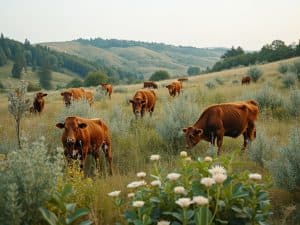
Animal behavior plays a crucial role in optimizing nutrient intake through a phenomenon known as nutritional wisdom. Grazing animals possess an innate ability to select plants based on their nutritional and medicinal properties, a behavior that has evolved over millions of years. This self-selective feeding allows animals to balance their nutrient intake and even self-medicate when necessary. Research has shown that animals given access to diverse pastures will actively seek out specific plants containing compounds that address their physiological needs, whether for protein, minerals, or therapeutic compounds.
The soil microbiome serves as the foundation for this entire system, forming a living network that facilitates nutrient transfer between plants and animals. Healthy soils contain billions of microorganisms that break down organic matter, fix nitrogen, and make minerals bioavailable to plants. These microorganisms also produce their own metabolites that contribute to plant health and, by extension, animal health. Regenerative grazing practices enhance this soil ecosystem by promoting plant diversity and natural animal behavior patterns, creating a positive feedback loop that builds soil fertility while improving food quality.
The integration of traditional agricultural wisdom with modern scientific understanding has revealed the importance of temporal and spatial diversity in grazing systems. Traditional pastoral practices, such as rotational grazing and seasonal migration, naturally exposed animals to varying plant communities throughout the year. This variation not only optimized nutrient intake but also supported ecosystem health through natural disturbance patterns. Modern research has validated these practices, showing that they contribute to increased soil carbon sequestration, enhanced biodiversity, and improved water retention – all while producing more nutrient-dense food products.
The implications of these interconnected relationships extend far beyond agricultural productivity to encompass global health and environmental resilience. Understanding how plant diversity influences food quality through direct nutrient transfer, behavioral adaptation, and ecological interaction provides a scientific framework for developing more sustainable food production systems. This knowledge can guide the development of agricultural practices that simultaneously support human health, animal welfare, and environmental conservation, offering solutions to many of the challenges facing modern food systems.
Current Understanding
The relationship between phytochemical diversity and nutritional quality in food systems represents a complex web of interactions that begins in the soil and extends through the entire food chain. Modern agricultural practices have led to a significant reduction in plant diversity within livestock feeding systems, resulting in a measurable decline in the phytochemical richness of animal products. Historical data suggests that the transition from diverse, natural grazing systems to simplified monoculture feeds has contributed to decreased concentrations of beneficial compounds in meat and dairy products, including essential fatty acids, antioxidants, and various micronutrients.
In diverse forage systems, animals encounter a wide array of bioactive compounds that serve multiple functions in both plant and animal physiology. These compounds include polyphenols, flavonoids, terpenes, and numerous other metabolites that plants produce as part of their natural defense and adaptation mechanisms. When livestock consume these diverse plant species, many of these beneficial compounds are either directly incorporated into animal tissues or transformed into biologically active metabolites. This process of nutrient transfer represents a crucial mechanism by which plant diversity influences the nutritional quality of animal products.
Animals grazing in natural environments demonstrate remarkable abilities to select plants based on their nutritional and medicinal properties, a phenomenon known as nutritional wisdom. This innate behavior allows livestock to optimize their nutrient intake and even self-medicate when necessary. Research has shown that animals with access to diverse pastures will actively seek out specific plants containing compounds that address their physiological needs, whether for basic nutrition or therapeutic purposes. This self-selective feeding behavior contributes significantly to animal health and, consequently, to the nutritional quality of their products.
The impact of modern agricultural practices on nutrient density extends beyond simple changes in plant diversity. Intensive farming methods often prioritize yield over nutritional quality, leading to depleted soil systems and stressed plants that produce fewer secondary metabolites. This reduction in plant biochemical complexity directly affects the nutritional profile of animal products. Studies comparing conventionally raised livestock with those grazing on diverse pastures consistently show higher levels of beneficial compounds in products from pastured animals, including enhanced omega-3 fatty acid profiles, increased antioxidant content, and more favorable micronutrient compositions.
Environmental factors play a crucial role in mediating the relationship between plant diversity and food quality. Soil health, seasonal variations, and climate conditions all influence the production of plant secondary metabolites, which in turn affects the nutritional value of animal products. Regenerative agricultural practices that promote plant diversity and soil health create positive feedback loops, enhancing both ecosystem function and food quality. These systems support the natural behavior patterns of grazing animals while simultaneously building soil fertility and increasing the bioavailability of nutrients throughout the food chain.
The integration of traditional agricultural wisdom with modern scientific understanding reveals the importance of maintaining complex ecological relationships in food production systems. Historical grazing practices that incorporated seasonal movement patterns and diverse plant communities naturally supported both animal health and environmental sustainability. Contemporary research validates these traditional approaches, demonstrating that diverse agricultural systems can simultaneously improve food quality, support animal welfare, and enhance ecosystem services. This convergence of traditional knowledge and scientific investigation provides valuable insights for developing more sustainable and nutritionally optimal food production methods.
Clinical Applications
In clinical practice, understanding the relationship between plant diversity and nutrient density provides important guidance for dietary recommendations, particularly for patients with specific nutritional needs. When counseling patients about animal product choices, clinicians should emphasize the superior nutritional profile of meats and dairy products from animals raised on diverse pastures. For patients with inflammatory conditions, the higher levels of anti-inflammatory compounds and favorable omega-3:omega-6 ratios found in grass-fed products may offer therapeutic benefits. Practitioners can guide patients in selecting foods that align with these principles by teaching them to identify and source products from regenerative farming operations.
The clinical relevance of bioactive compounds in animal products extends to specific patient populations. For instance, individuals with iron deficiency anemia may benefit from consuming grass-fed meat due to its enhanced mineral bioavailability and the presence of supporting compounds that aid absorption. Similarly, patients with compromised immune function may benefit from the higher levels of immunomodulating compounds found in products from animals raised on diverse pastures. Clinicians should consider these factors when developing comprehensive treatment plans, particularly for patients with chronic conditions or specific nutritional deficiencies.
Practical implementation of these principles requires patient education about food sourcing and preparation methods. Clinicians can develop educational materials that explain how to identify high-quality animal products and understand labeling claims. This includes teaching patients to recognize legitimate grass-fed certification, understanding seasonal variations in nutrient content, and learning appropriate cooking methods to preserve beneficial compounds. Additionally, practitioners should address the cost-benefit considerations of choosing higher-quality animal products, helping patients prioritize their food budget to maximize nutritional value.
The environmental health implications of food choices should be integrated into clinical discussions about diet and nutrition. Patients increasingly express concern about the environmental impact of their food choices, and clinicians can address these concerns by explaining how regenerative agricultural practices benefit both human and environmental health. This approach allows practitioners to align dietary recommendations with broader health outcomes, including the long-term implications of environmental degradation on public health. When discussing dietary changes, clinicians should emphasize the connection between ecosystem health and human health, helping patients understand how their food choices influence both personal and planetary well-being.
For practical application in clinical settings, practitioners should develop structured approaches to implementing these dietary recommendations. This includes creating assessment tools to evaluate current dietary patterns, establishing realistic goals for dietary modification, and providing specific guidance for sourcing and preparing nutrient-dense foods. Regular monitoring and adjustment of dietary plans, along with tracking relevant clinical markers, can help demonstrate the impact of these dietary changes on patient health outcomes. This evidence-based approach helps validate the clinical importance of food quality while providing concrete data to support continued dietary modifications.
Future Implications
The future implications of understanding plant diversity’s role in nutrient density and food system health suggest several promising developments in agricultural and nutritional science. Advanced metabolomic analysis techniques are likely to reveal increasingly complex relationships between plant compounds and their impact on animal product quality. This deeper understanding could lead to the development of optimized grazing systems that maximize the transfer of beneficial compounds while supporting ecosystem health. Machine learning algorithms may soon be able to predict and map the phytochemical profiles of different landscapes, allowing farmers to make more informed decisions about grazing patterns and land management strategies.
The integration of traditional ecological knowledge with modern technology presents exciting possibilities for the future of regenerative agriculture. Emerging precision farming tools, when combined with historical grazing patterns and botanical diversity data, could create highly sophisticated management systems that optimize both production and nutrition. These systems might incorporate real-time monitoring of soil health, plant diversity, and animal behavior patterns, allowing for dynamic adjustments to grazing strategies. Such technological integration could help scale regenerative practices while maintaining the crucial elements of complex ecological relationships that contribute to food quality.
The growing understanding of the soil microbiome’s role in nutrient transfer and ecosystem health may lead to revolutionary approaches in agricultural management. Future developments could include the cultivation of specific microbial communities designed to enhance the production of beneficial plant compounds and improve nutrient bioavailability. This might be achieved through targeted biological amendments, carefully managed grazing patterns, and the development of plant varieties specifically selected for their ability to support beneficial soil organisms. Such advances could significantly improve the efficiency of nutrient cycling while enhancing the nutritional quality of agricultural products.
Looking further ahead, the convergence of climate change pressures and advancing agricultural technology may necessitate new approaches to maintaining plant diversity and food quality. This could involve the development of climate-resilient polyculture systems that preserve nutritional benefits while adapting to changing environmental conditions. Advanced breeding programs might focus on developing forage species that maintain high levels of beneficial compounds under various environmental stresses, while new conservation strategies could emerge to protect and restore diverse grassland ecosystems essential for high-quality food production. These developments would need to balance technological innovation with ecological wisdom to create truly sustainable food systems for the future.
Practical Considerations
Practical Considerations for Implementation
Successfully integrating diverse plant systems and optimizing nutrient density requires careful attention to several key implementation factors. First, producers must develop a comprehensive understanding of their land’s botanical composition and seasonal variations. This involves conducting regular plant species inventories, mapping seasonal growth patterns, and identifying both beneficial and potentially toxic plants. Establishing baseline measurements of soil health, including organic matter content, microbial activity, and mineral balance, provides crucial data for monitoring progress and adjusting management strategies. These assessments should be conducted at least annually, with more frequent monitoring during transition periods from conventional to regenerative practices.
Common challenges in implementing diverse grazing systems include managing seasonal fluctuations in forage availability, preventing overgrazing of preferred species, and maintaining adequate plant diversity throughout the year. To address these challenges, producers can implement adaptive grazing strategies that mimic natural herd movements, using appropriate stocking rates and frequent rotation patterns. Creating buffer zones and reserve pastures helps manage drought periods and seasonal transitions. Additionally, incorporating complementary species like legumes and deep-rooted perennials can extend the grazing season while enhancing soil health and nutrient cycling. Strategic supplementation during critical periods may be necessary to maintain animal health while protecting plant diversity.
Infrastructure and logistics present another set of practical considerations. Effective implementation requires appropriate fencing systems, water distribution networks, and handling facilities that support planned grazing patterns. Mobile fencing and water systems offer flexibility in managing grazing patterns but require additional labor and maintenance. Producers should develop detailed grazing charts that account for recovery periods, seasonal growth patterns, and animal nutritional needs. These plans must remain flexible enough to adapt to changing weather conditions, varying growth rates, and unexpected challenges while maintaining the core principles of diversity management.
Economic considerations play a crucial role in successful implementation. The transition period from conventional to diverse pasture systems typically requires significant investment in infrastructure, seed, and potentially new equipment. Producers must carefully plan for these expenses while accounting for potentially reduced income during the transition period. However, long-term economic benefits often include reduced input costs, improved drought resilience, and premium pricing for higher-quality products. Developing direct marketing channels and educational materials that communicate the enhanced nutritional value of products from diverse pasture systems can help justify premium pricing and build customer loyalty. Creating partnerships with other producers, processors, and marketers can help share costs and risks while expanding market opportunities.
Success in implementing these systems relies heavily on ongoing education and adaptation. Producers should actively participate in peer networks, attend workshops, and stay current with research developments in grazing management and soil health. Maintaining detailed records of grazing patterns, animal performance, and plant community changes provides valuable data for refining management strategies. Regular soil testing, forage analysis, and monitoring of animal health indicators help track progress and identify areas needing adjustment. Building relationships with experienced practitioners, agricultural scientists, and successful producers can provide valuable guidance and support during the implementation process. This commitment to continuous learning and adaptation ensures long-term success in managing complex, diverse agricultural systems while optimizing nutrient density in food products.
Frequently Asked Questions
How does plant diversity directly impact the nutritional quality of meat and dairy products?
What is “nutritional wisdom” in grazing animals and why is it important?
How does regenerative grazing affect soil health and nutrient density in food?
What are the key differences between grass-fed and conventionally raised animal products?
How can consumers identify and source high-quality animal products from diverse pasture systems?
Closing
The intricate relationships between plant diversity, animal nutrition, and human health represent a critical frontier in our understanding of sustainable food systems. Through extensive research and practical application, it has become clear that the complexity of natural ecosystems directly influences the nutritional quality of our food. The transfer of bioactive compounds from diverse plant communities through grazing animals to human consumption illustrates the fundamental interconnectedness of ecological and nutritional systems. This understanding challenges conventional agricultural paradigms while validating traditional wisdom about the importance of botanical diversity in food production.
As we face mounting challenges related to climate change, food security, and public health, the principles of diversity-driven nutrition offer promising solutions. The evidence supporting the benefits of regenerative grazing practices and diverse plant communities provides a framework for developing more resilient and nutritious food systems. These approaches not only enhance the nutritional quality of animal products but also contribute to environmental sustainability through improved soil health, increased biodiversity, and enhanced carbon sequestration. Moving forward, the integration of traditional ecological knowledge with modern scientific understanding will be crucial in developing agricultural systems that can meet the growing demand for nutrient-dense foods while supporting ecosystem health.
The future of agriculture lies in our ability to understand and work with the complexity of natural systems rather than attempting to simplify them. As research continues to unveil the sophisticated relationships between plant diversity and nutrient density, new opportunities will emerge for optimizing food production systems that benefit both human and environmental health. The successful implementation of these principles requires a commitment to ongoing learning, adaptation, and collaboration among farmers, researchers, and healthcare practitioners. By embracing this holistic approach to agriculture and nutrition, we can work toward a future where food production systems enhance rather than degrade the natural processes that support human health and environmental resilience.