

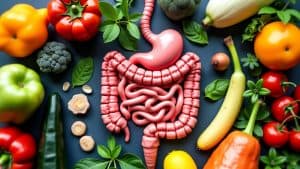
Unlocking the Secrets of Gut Health: A Comprehensive Guide to Digestive Wellness
Introduction
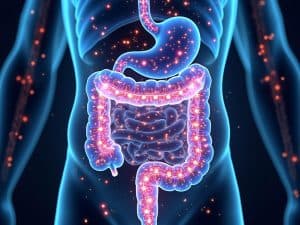
In recent years, the importance of gut health has gained significant attention in both medical and wellness communities. As research continues to unveil the intricate connections between our digestive system and overall well-being, it’s becoming increasingly clear that a healthy gut is fundamental to our physical and mental health. This comprehensive guide delves into the complexities of gut health, exploring the latest scientific findings and practical strategies for maintaining a thriving digestive system.
The Gut Microbiome: A Complex Ecosystem
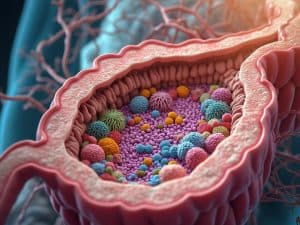
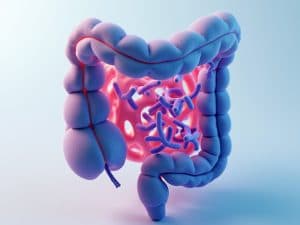
At the heart of gut health lies the microbiome, a vast community of microorganisms that inhabit our digestive tract. This ecosystem, comprising trillions of bacteria, fungi, and other microbes, plays a crucial role in various aspects of our health, from digestion to immune function and even mental well-being.
Diversity: The Key to a Healthy Microbiome
One of the most important factors in maintaining a healthy gut is the diversity of microbial species. A diverse microbiome is more resilient and better equipped to handle various challenges, from dietary changes to environmental stressors. Research has shown that individuals with a more diverse gut microbiome tend to have lower rates of chronic diseases and better overall health outcomes.
Factors Affecting Microbial Diversity
Several factors can influence the diversity of our gut microbiome:
- Diet
- Antibiotic use
- Stress levels
- Environmental exposures
- Lifestyle choices
Understanding these factors is crucial for developing strategies to maintain and improve gut health.
The Gut-Brain Connection
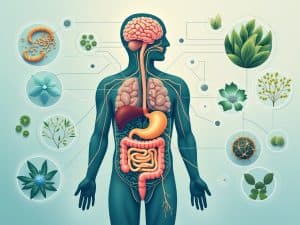
One of the most fascinating areas of gut health research is the gut-brain axis. This bidirectional communication system between the digestive tract and the central nervous system highlights the profound impact our gut can have on our mental and emotional well-being.
Mood and Mental Health
Emerging research suggests that the state of our gut microbiome can significantly influence our mood and mental health. Studies have found correlations between certain gut bacterial populations and conditions such as depression, anxiety, and even neurodegenerative disorders.
Neurotransmitter Production
Interestingly, many of the neurotransmitters that regulate our mood, such as serotonin, are produced in large quantities in the gut. This production is influenced by the composition of our gut microbiome, further emphasizing the importance of maintaining a healthy digestive ecosystem.
Fermented Foods: A Double-Edged Sword
Fermented foods have gained popularity as a natural way to support gut health. These foods, rich in beneficial bacteria, can help increase microbial diversity and promote a healthy digestive environment. However, it’s important to note that fermented foods aren’t universally beneficial for everyone.
Benefits of Fermented Foods
Fermented foods offer several potential benefits:
- Increased microbial diversity
- Improved digestion
- Enhanced nutrient absorption
- Potential immune system support
Potential Issues with Fermented Foods
Despite their benefits, some individuals may experience adverse reactions to fermented foods:
- Histamine intolerance: Some fermented foods are high in histamines, which can cause reactions in sensitive individuals.
- SIBO (Small Intestinal Bacterial Overgrowth): For those with SIBO, fermented foods may exacerbate symptoms.
Introducing Fermented Foods
For those interested in incorporating fermented foods into their diet, it’s crucial to start slowly and in small amounts. This gradual approach allows the body to adjust and helps identify any potential sensitivities or adverse reactions.
The Role of Fiber in Gut Health
Dietary fiber plays a crucial role in maintaining a healthy gut. It serves as a prebiotic, providing nourishment for beneficial gut bacteria and promoting their growth and diversity.
Types of Fiber
There are two main types of dietary fiber:
- Soluble fiber: Dissolves in water and can help lower blood cholesterol and glucose levels.
- Insoluble fiber: Promotes the movement of material through your digestive system and increases stool bulk.
Fiber and Digestive Issues
While fiber is generally beneficial, some individuals with severe gut issues may need to be cautious with their fiber intake, particularly from raw vegetables. In these cases, cooking vegetables can make them easier to digest and less likely to cause discomfort.
The Carnivore Diet Debate
The carnivore diet, which consists primarily of animal products, has gained attention in recent years. While proponents claim various health benefits, it’s important to consider the potential long-term effects on gut health and overall well-being.
TMAO Production and Heart Health
One concern with high meat consumption is the production of trimethylamine N-oxide (TMAO). This compound, produced when gut bacteria metabolize certain nutrients found in red meat and other animal products, has been linked to an increased risk of heart disease and stroke.
Balancing Animal and Plant-Based Foods
For optimal gut health, many experts recommend a balanced approach that includes both animal proteins and a variety of plant-based foods. This diversity helps maintain a healthy gut microbiome and provides a wide range of essential nutrients.
Probiotics and Post-biotics: Supporting Gut Health
Probiotics and post-biotics are two categories of supplements that can play a significant role in supporting gut health.
Probiotics: Living Microorganisms
Probiotics are live microorganisms that, when administered in adequate amounts, confer a health benefit on the host. They can help restore balance to the gut microbiome and support digestive health.
Types of Probiotics
There are several types of probiotics, including:
- Lactobacillus species
- Bifidobacterium species
- Saccharomyces boulardii (a beneficial yeast)
- Spore-based probiotics
Choosing the Right Probiotic
When selecting a probiotic, it’s important to consider:
- Specific strains and their research-backed benefits
- Colony-forming units (CFUs)
- Your individual health needs and gut condition
Post-biotics: Beneficial Byproducts
Post-biotics are the beneficial compounds produced by probiotic bacteria during the fermentation process. These include short-chain fatty acids like butyrate, which have anti-inflammatory properties and can help heal the gut lining.
Antibiotics and Gut Health
While antibiotics are often necessary for treating bacterial infections, they can have a significant impact on gut health by disrupting the balance of the microbiome.
Impact of Common Antibiotics
Some commonly prescribed antibiotics, such as ciprofloxacin and azithromycin, can have long-lasting effects on the gut microbiome. For example, a single course of ciprofloxacin can take up to 12 months for the gut to fully recover.
Protecting Gut Health During Antibiotic Use
To mitigate the negative effects of antibiotics on gut health, consider:
- Taking Saccharomyces boulardii during antibiotic treatment
- Using antioxidants and mitochondrial support supplements
- Incorporating fermented foods (if tolerated) after completing the antibiotic course
Personalized Approach to Gut Health
Given the complexity of gut health and individual variations in microbiome composition, a personalized approach is often the most effective strategy for improving digestive wellness.
Assessing Your Gut Health
Tools like comprehensive stool analyses and gut health questionnaires can provide valuable insights into your current gut health status and help guide targeted interventions.
Tailoring Interventions
Based on your individual assessment, interventions may include:
- Dietary modifications
- Specific probiotic strains
- Targeted supplements
- Lifestyle changes
Lifestyle Factors Affecting Gut Health
Beyond diet and supplements, various lifestyle factors can significantly impact gut health.
Stress Management
Chronic stress can negatively affect gut health by altering motility, increasing inflammation, and disrupting the microbiome balance. Incorporating stress-reduction techniques such as meditation, yoga, or deep breathing exercises can help support a healthy gut.
Sleep and Circadian Rhythms
Quality sleep and maintaining regular circadian rhythms are crucial for gut health. The gut microbiome exhibits diurnal rhythms, and disruptions to sleep patterns can negatively impact microbial diversity and function.
Exercise
Regular physical activity has been shown to promote a healthy gut microbiome. Exercise can increase microbial diversity, enhance the production of beneficial short-chain fatty acids, and improve gut motility.
Emerging Research in Gut Health
The field of gut health is rapidly evolving, with new research continually uncovering the far-reaching effects of our digestive system on overall health.
Gut Microbiome and Immune Function
Recent studies have highlighted the crucial role of the gut microbiome in shaping and modulating our immune system. A healthy, diverse microbiome appears to be essential for proper immune function and may help prevent autoimmune disorders.
Gut Health and Skin Conditions
The gut-skin axis is an area of growing interest, with research suggesting that gut health may play a role in various skin conditions, including acne, eczema, and psoriasis.
Microbiome and Cancer
Emerging research is exploring the potential links between the gut microbiome and cancer development, progression, and treatment response. This exciting area of study may lead to new approaches in cancer prevention and therapy.
Practical Tips for Improving Gut Health
Based on current research and expert recommendations, here are some practical steps you can take to support your gut health:
- Eat a diverse range of whole foods, focusing on fruits, vegetables, legumes, and whole grains
- Incorporate fermented foods gradually, if tolerated
- Stay hydrated with plenty of water
- Manage stress through relaxation techniques and regular exercise
- Get adequate sleep and maintain consistent sleep patterns
- Limit processed foods, artificial sweeteners, and excessive alcohol consumption
- Consider probiotic supplements after consulting with a healthcare professional
- Be mindful of antibiotic use and take steps to support your gut during necessary treatments
The Future of Gut Health
As research in gut health continues to advance, we can expect to see more personalized approaches to digestive wellness. From tailored probiotic formulations to individualized dietary recommendations based on microbiome analysis, the future of gut health looks promising and exciting.
Embracing a Holistic Approach
Ultimately, maintaining optimal gut health requires a holistic approach that considers diet, lifestyle, and individual factors. By staying informed about the latest research and working closely with healthcare professionals, we can harness the power of our gut microbiome to support overall health and well-being. As we continue to unravel the complexities of the gut-body connection, one thing remains clear: a healthy gut is fundamental to a healthy life.