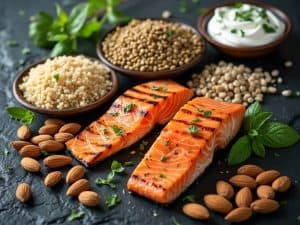



Unlocking the Secrets of Longevity: A Comprehensive Guide to Eating for Optimal Health and Vitality

Introduction
In the quest for a long and healthy life, nutrition plays a crucial role. The food we consume has the power to either heal or harm our bodies, and making informed choices about our diet can significantly impact our overall well-being and longevity. This comprehensive guide explores the key principles of eating for longevity, drawing from the latest scientific research and insights from experts in the field.
The Fundamentals of Longevity Nutrition
To lay the foundation for a longevity-promoting diet, it is essential to understand the core principles that underpin this approach to nutrition. These principles include:
- Focusing on high-quality, nutrient-dense foods
- Personalizing your approach based on your unique biology and needs
- Viewing food as medicine, recognizing its power to prevent and treat chronic diseases
By adhering to these principles, you can optimize your diet to support your body’s natural processes, reduce inflammation, and promote overall health and longevity.
The Power of Plant-Based Nutrition
One of the key components of a longevity-promoting diet is a strong emphasis on plant-based foods. Vegetables, fruits, whole grains, legumes, nuts, and seeds are all nutrient-dense sources of vitamins, minerals, antioxidants, and fiber that are essential for optimal health. These plant-based foods are also rich in phytochemicals, which are powerful compounds that have been shown to have anti-inflammatory, anti-cancer, and neuroprotective properties.
When incorporating plant-based foods into your diet, aim for a wide variety of colors and types to ensure you are getting a diverse array of nutrients. Prioritize organic and regeneratively grown produce whenever possible, as these farming methods promote soil health and minimize exposure to harmful pesticides and chemicals.
Vegetables: The Foundation of a Longevity Diet
Vegetables should make up the majority of your plate, comprising 70-80% of your total food intake. Focus on non-starchy vegetables like leafy greens, cruciferous vegetables (such as broccoli and cauliflower), and colorful options like bell peppers, tomatoes, and eggplants. These vegetables are low in calories but high in fiber, vitamins, and minerals, making them an essential component of a longevity-promoting diet.
Fruits: Nature’s Sweet Treat
Fruits are another important part of a healthy diet, providing a natural source of sweetness along with a host of beneficial nutrients. However, it is important to be mindful of your fruit intake, particularly if you have diabetes or are trying to manage your weight. Opt for low-glycemic fruits like berries, kiwis, and citrus fruits, and be cautious with high-sugar options like bananas, grapes, and dried fruits.
When consuming fruits, always choose whole fruits over fruit juices or dried fruits, as the latter are more concentrated sources of sugar and can cause rapid spikes in blood glucose levels. Whole fruits, on the other hand, contain fiber and other nutrients that help to slow the absorption of sugar and provide additional health benefits.
Quality Fats: The Unsung Heroes of Longevity
Contrary to popular belief, not all fats are created equal. In fact, consuming the right types of fats is essential for promoting longevity and optimal health. Quality fats, such as those found in nuts, seeds, avocados, fatty fish, and certain plant-based oils, are important for brain health, hormone production, and reducing inflammation in the body.
When incorporating fats into your diet, focus on whole food sources whenever possible. Nuts and seeds, for example, are not only rich in healthy fats but also provide fiber, protein, and a variety of vitamins and minerals. Avocados are another excellent source of healthy fats, as well as fiber and potassium.
If you choose to use plant-based oils, opt for extra virgin olive oil or avocado oil, as these are minimally processed and retain their beneficial compounds. Coconut oil can also be used in moderation, but it is important to note that it is high in saturated fat and may not be suitable for everyone.
The Role of Omega-3 Fatty Acids
Omega-3 fatty acids are a type of polyunsaturated fat that have been shown to have numerous health benefits, including reducing inflammation, supporting brain health, and promoting heart health. The three main types of omega-3 fatty acids are alpha-linolenic acid (ALA), eicosapentaenoic acid (EPA), and docosahexaenoic acid (DHA).
ALA is found primarily in plant-based sources like flaxseeds, chia seeds, and walnuts, while EPA and DHA are found in fatty fish like salmon, sardines, and anchovies. If you do not regularly consume fatty fish, you may want to consider taking a high-quality omega-3 supplement to ensure you are getting adequate amounts of these important fatty acids.
Protein: Building Blocks for a Strong, Healthy Body
Protein is an essential macronutrient that plays a crucial role in building and repairing tissues, producing hormones and enzymes, and supporting immune function. As we age, it becomes increasingly important to ensure we are consuming adequate amounts of high-quality protein to maintain muscle mass and prevent age-related muscle loss, known as sarcopenia.
Animal-Based Protein Sources
When it comes to animal-based protein sources, quality is key. Opt for grass-fed, pasture-raised, or wild-caught options whenever possible, as these animals are typically raised in more humane and environmentally sustainable ways and may have a more favorable nutrient profile compared to their conventionally raised counterparts.
Some examples of high-quality animal-based protein sources include:
- Grass-fed beef
- Pasture-raised poultry and eggs
- Wild-caught fish and seafood
- Organic, full-fat dairy products (if tolerated)
Plant-Based Protein Sources
While animal-based proteins are often considered the gold standard for building and maintaining muscle mass, it is entirely possible to meet your protein needs through plant-based sources. In fact, many plant-based proteins offer additional benefits like fiber, antioxidants, and phytochemicals that can support overall health and longevity.
Some examples of high-quality plant-based protein sources include:
- Legumes (beans, lentils, peas)
- Tofu and tempeh
- Nuts and seeds
- Quinoa and other whole grains
- Plant-based protein powders (pea, hemp, rice, etc.)
The Role of Fermented Foods in Longevity
Fermented foods have been a staple in traditional diets around the world for centuries, and for good reason. These foods, which include options like yogurt, kefir, sauerkraut, kimchi, and miso, are rich in beneficial bacteria known as probiotics that can support gut health, boost immune function, and even improve mental health.
The process of fermentation not only preserves food but also enhances its nutritional value, making certain nutrients more bioavailable and creating new beneficial compounds like short-chain fatty acids. Incorporating fermented foods into your diet on a regular basis can help to promote a healthy gut microbiome, which is increasingly being recognized as a key factor in overall health and longevity.
The Importance of Hydration for Longevity
While not technically a food, water is perhaps the most essential nutrient when it comes to promoting health and longevity. Every cell, tissue, and organ in your body requires water to function properly, and even mild dehydration can lead to a host of negative health consequences.
Aim to drink at least half your body weight in ounces of water each day, and more if you are engaging in physical activity or exposed to hot or dry environments. In addition to plain water, you can also meet your hydration needs through other beverages like herbal tea, coconut water, and low-sodium broths.
The Power of Phytochemicals in Longevity
Phytochemicals are a diverse group of compounds found in plant-based foods that have been shown to have numerous health benefits, including antioxidant, anti-inflammatory, and neuroprotective properties. These compounds, which include options like flavonoids, carotenoids, and glucosinolates, are not considered essential nutrients but rather “bonus” compounds that can help to optimize health and promote longevity.
Some examples of phytochemical-rich foods include:
- Berries (anthocyanins)
- Leafy greens (lutein, zeaxanthin)
- Citrus fruits (flavanones)
- Cruciferous vegetables (sulforaphane)
- Turmeric (curcumin)
- Green tea (catechins)
- Dark chocolate (flavanols)
Incorporating a wide variety of phytochemical-rich foods into your diet can help to provide a synergistic effect, as these compounds often work together to provide even greater health benefits than they would on their own.
The Role of Timing in Longevity Nutrition
In addition to what you eat, when you eat can also have a significant impact on your health and longevity. Emerging research suggests that practices like intermittent fasting and time-restricted eating may help to improve metabolic health, reduce inflammation, and even slow the aging process.
Intermittent fasting involves alternating periods of fasting with periods of eating, while time-restricted eating involves consuming all of your meals within a specific window of time each day (typically 8-12 hours). These practices may help to improve insulin sensitivity, promote cellular repair and regeneration, and even enhance brain function.
If you are interested in incorporating these practices into your lifestyle, it is important to work with a qualified healthcare professional to ensure that you are doing so in a safe and effective manner, particularly if you have any underlying health conditions or are taking medications.
The Gut-Brain Connection in Longevity
The gut and the brain are intricately connected via the gut-brain axis, a complex network of communication pathways that involve the nervous system, hormones, and the immune system. This connection has important implications for both physical and mental health, and may even play a role in the aging process.
One of the key factors in the gut-brain connection is the gut microbiome, the trillions of bacteria and other microorganisms that reside in the digestive tract. A healthy gut microbiome is essential for proper digestion, nutrient absorption, and immune function, and has been linked to a reduced risk of chronic diseases like obesity, diabetes, and even certain types of cancer.
In addition to supporting physical health, a healthy gut microbiome has also been linked to improved mental health and cognitive function. Certain strains of bacteria in the gut have been shown to produce neurotransmitters like serotonin and dopamine, which play a key role in regulating mood and behavior.
To support a healthy gut microbiome and promote optimal gut-brain communication, focus on incorporating a variety of fiber-rich plant foods into your diet, as these serve as prebiotics that feed the beneficial bacteria in the gut. Fermented foods like yogurt, kefir, and sauerkraut are also excellent sources of probiotics that can help to promote a healthy balance of gut bacteria.
The Role of Mindfulness in Longevity Nutrition
While the focus of longevity nutrition is often on the specific foods and nutrients we consume, the way in which we approach eating can also have a significant impact on our health and well-being. Practicing mindfulness when it comes to food and eating can help to promote better digestion, reduce stress, and even improve our relationship with food.
Mindful eating involves being fully present and aware during meals, paying attention to the flavors, textures, and aromas of the food, and tuning in to our body’s hunger and satiety signals. This practice can help to prevent overeating, reduce emotional eating, and promote a more intuitive and balanced approach to nutrition.
In addition to mindful eating, incorporating other mindfulness practices like deep breathing, meditation, and yoga into your daily routine can also help to reduce stress and promote overall health and well-being, which are key components of longevity.
The Importance of Personalization in Longevity Nutrition
While there are certain universal principles that apply to longevity nutrition, it is important to recognize that there is no one-size-fits-all approach to optimal health and well-being. Factors like age, sex, genetics, lifestyle, and health status can all impact an individual’s nutritional needs and responses to certain foods and dietary patterns.
This is where personalization comes in. By working with a qualified healthcare professional to assess your unique needs and goals, you can develop a customized nutrition plan that takes into account your specific biology and circumstances. This may involve incorporating tools like genetic testing, microbiome analysis, and continuous glucose monitoring to gain a deeper understanding of how your body responds to different foods and dietary approaches.
Personalization can also involve taking into account your individual preferences, cultural background, and lifestyle factors when developing a nutrition plan. By creating a plan that is realistic, sustainable, and enjoyable for you, you are more likely to stick with it long-term and experience the full benefits of a longevity-promoting diet.
The Future of Longevity Nutrition
As our understanding of the complex interplay between nutrition, genetics, and the microbiome continues to evolve, so too will our approach to longevity nutrition. Emerging technologies like precision nutrition, which involves using individual-level data to develop targeted dietary recommendations, hold great promise for optimizing health and promoting longevity.
In addition, the field of nutrigenomics, which explores the relationship between nutrition and gene expression, is also rapidly advancing and may help to unlock new insights into how our genes and diet interact to influence health and disease risk.
As we look to the future, it is clear that longevity nutrition will continue to be a rapidly evolving and exciting field, with new discoveries and innovations emerging all the time. By staying informed and proactive about our nutritional choices and working with qualified healthcare professionals to develop personalized plans, we can all take steps towards optimizing our health and promoting longevity.
Conclusion
Eating for longevity is a complex and multifaceted topic, but by focusing on the key principles of nutrient density, personalization, and food as medicine, we can all take steps towards optimizing our health and promoting a long, vibrant life. By incorporating a wide variety of nutrient-dense, whole foods into our diets, paying attention to our individual needs and responses, and approaching eating with mindfulness and intention, we can unlock the full potential of nutrition as a tool for promoting health and longevity.
As we continue to learn more about the complex interplay between nutrition, genetics, and the microbiome, the field of longevity nutrition will undoubtedly continue to evolve and advance. By staying informed, proactive, and open to new ideas and approaches, we can all be part of this exciting and transformative journey towards optimal health and well-being.