

Unlocking the Secrets of Metformin and Rapalogs for Healthier Longevity
The Accidental Discovery and Versatile Effects of Metformin
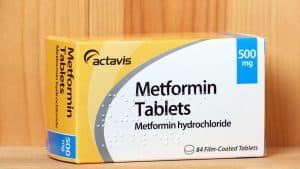
Metformin was originally developed as an anti-diabetic medication, but research now suggests its health benefits extend far beyond blood sugar control. First used in humans in the late 1950s, metformin enhances insulin sensitivity and was noted to improve cardiovascular outcomes in type 2 diabetes.
In more recent decades, observational studies revealed metformin’s association with reduced cancer incidence while animal research demonstrated extended lifespan across diverse species. This compelling data on ameliorating diseases of aging inspired closer investigation of metformin’s multifaceted mechanisms.
Activating AMPK, Inhibiting mTOR and More
Metformin mildly inhibits complex I in mitochondria, activating the enzyme AMPK which senses cellular energy status. AMPK then triggers an array of downstream effects mimicking calorie restriction.
Chief among them is restraining mTOR, a key regulator of cell growth and proliferation. Other notable effects include reduced oxidative stress and inflammation, enhanced autophagy, improved protein homeostasis and increased antioxidant capacity.
In essence, metformin reproduces many genomic and metabolic patterns of calorie restriction without actual dietary change. Animal studies suggest it boosts immune function while human data links metformin to fewer infections and milder COVID-19 severity.
Rapalogs: Partial mTOR Inhibitors with Anti-Aging Effects
Whereas metformin circuitously hinders mTOR via AMPK, rapamycin directly binds and inhibits mTOR. Rapamycin is a natural antifungal compound produced by bacteria that was found to possess immunosuppressive properties.
Rapalogs are synthetic rapamycin analogs, chemically modified to improve drug-like characteristics. Though rapamycin potently blocks immune cell proliferation, low intermittent rapalog doses appear to rejuvenate aged immune function in humans.
Enhancing Immunity, Reducing Cellular Senescence
Beyond immunity, rapalogs demonstrate anti-aging effects resembling metformin. By partly disabling mTOR, rapalogs reduce protein and lipid synthesis, possibly alleviating cellular stress linked to aging. They may also restrain factors secreted by senescent cells that provoke inflammation.
Autophagic recycling of damaged components seems enhanced in some tissues but not others. The precise mechanisms behind rapalogs’ life extending properties require further elucidation, but their translation to improved health span in mammals is established.
Wielding Metformin, Rapalogs and Beyond Against COVID-19
The hunt for COVID-19 treatments has shined new light on metformin and rapalogs’ influence on infection risk and resilience. Though neither likely directly hinders SARS-CoV-2, both appear to strengthen antiviral immunity and curb detrimental inflammation.
Early data associates metformin with reduced COVID-19 hospitalization and mortality rates. Enhancing interferon and other antiviral pathways may explain these benefits. Meanwhile, rapalogs increase expression of innate antiviral genes as shown in clinical trials.
Beyond infection severity, metformin and rapalogs’ broad effects on aging physiology could mitigate COVID-19’s deadliness in higher risk elderly groups. Addressing underlying “molecular aging” hallmarks exacerbating all age-related diseases makes sense during a pandemic.
Maximizing Benefits While Managing Risks
Metformin and rapalogs influence overlapping longevity pathways but have distinct mechanisms of action. Intuitively, combining them could stack benefits by concurrently activating AMPK, inhibiting mTOR, enhancing autophagy, reducing inflammation and more.
However, augmented side effects pose a major concern with combination therapy. While metformin rarely causes serious complications alone, rapalogs come with greater toxicity that rises with dosage. Judicious use targeting minimal effective exposures may control risks.
Optimizing synergies between metformin, rapalogs and future drugs requires elucidating interactions between overlapping anti-aging effects. Key areas for investigation include determining maximal tolerable metformin doses with rapalogs and whether sequenced therapy during specific age ranges outperforms lifetime usage.
The Future Is Now: Metformin and Aging Itself Enter Clinical Trials
The rubber now meets the road with the launch of the Targeting Aging with Metformin (TAME) trial, testing metformin’s ability to broadly delay aging’s public health devastation. A momentous endeavor over 5 years in 14 centers across 3000-plus participants coordinated by non-profit organizations.
If successful in reducing age-related diseases and deaths, TAME may convince regulators to endorse acting on molecular aging pathways to extend health. Beyond metformin, this paradigm shift could spur development of next generation therapies like rapalogs for wide deployment against aging’s ubiquitous mark on sickness and frailty.
TAME also provides infrastructure to examine COVID-19 associations, while delivering insights on molecular biomarkers of metformin’s activity. As nature’s horrific experiment with SARS-CoV-2 reminds, equipping society’s elders with medicines compensating for immunologic, metabolic and inflammatory aging represents a supreme opportunity.