

Unraveling the Complexities of Thyroid Disease: Diagnosis, Treatment, and Optimal Health
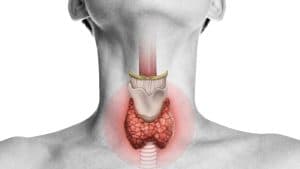
Thyroid disease is a prevalent yet often underdiagnosed condition that affects millions of people worldwide. The thyroid gland, a small butterfly-shaped organ located in the neck, plays a crucial role in regulating metabolism and various bodily functions. When the thyroid fails to function properly, it can lead to a wide range of symptoms and health issues that can significantly impact an individual’s quality of life.
The Silent Epidemic: Prevalence of Thyroid Disease
Thyroid disease is more common than many people realize. It is estimated that one in five women and one in ten men suffer from some form of thyroid dysfunction. However, due to the nonspecific nature of its symptoms, thyroid disease often goes undiagnosed or is not treated adequately. This silent epidemic can have far-reaching consequences on an individual’s health and well-being.
Understanding Thyroid Hormones and Their Functions
The thyroid gland produces two main hormones: thyroxine (T4) and triiodothyronine (T3). These hormones are responsible for regulating metabolism, which affects nearly every cell and organ in the body. T4 is the inactive form of the hormone, while T3 is the active form that binds to receptors and exerts its effects on the body.
When the thyroid gland is functioning optimally, it maintains a delicate balance of these hormones, ensuring that the body’s metabolism runs smoothly. However, when the thyroid gland becomes underactive (hypothyroidism) or overactive (hyperthyroidism), it can lead to a cascade of symptoms and health problems.
Recognizing the Signs and Symptoms of Thyroid Dysfunction
One of the reasons thyroid disease is often overlooked is because its symptoms can be vague and easily attributed to other conditions. Some common symptoms of hypothyroidism include:
- Fatigue and weakness
- Weight gain
- Dry skin and hair
- Hair loss
- Cold sensitivity
- Depression and mood changes
- Constipation
- Memory and concentration difficulties
- Muscle aches and joint pain
- High cholesterol levels
On the other hand, hyperthyroidism can cause symptoms such as:
- Nervousness and anxiety
- Rapid heartbeat
- Unexplained weight loss
- Increased appetite
- Heat intolerance
- Frequent bowel movements
- Tremors
- Difficulty sleeping
If you experience a combination of these symptoms, it is essential to consult with a healthcare professional to determine if thyroid dysfunction may be the underlying cause.
The Importance of Comprehensive Thyroid Testing
Properly diagnosing thyroid disease requires a comprehensive approach to testing. Unfortunately, many healthcare providers rely solely on measuring thyroid-stimulating hormone (TSH) levels, which can lead to missed diagnoses and inadequate treatment.
A complete thyroid panel should include the following tests:
- TSH
- Free T4
- Free T3
- Thyroid peroxidase antibodies (TPO)
- Thyroglobulin antibodies
By assessing these markers, healthcare providers can gain a more comprehensive understanding of an individual’s thyroid function and identify potential autoimmune conditions such as Hashimoto’s thyroiditis, which is a common cause of hypothyroidism.
Addressing the Root Causes of Thyroid Dysfunction
While thyroid hormone replacement therapy is often necessary to manage thyroid disease, it is equally important to address the underlying factors that contribute to thyroid dysfunction. Some common causes of thyroid problems include:
Environmental Toxins and Heavy Metals
Exposure to environmental toxins, such as pesticides, plastics, and heavy metals like mercury, can disrupt thyroid function. These toxins can interfere with the production, conversion, and utilization of thyroid hormones. Minimizing exposure to these toxins and supporting detoxification pathways can help optimize thyroid health.
Chronic Stress and Adrenal Dysfunction
There is a strong connection between the thyroid gland and the adrenal glands. Chronic stress can lead to adrenal dysfunction, which can negatively impact thyroid function. Managing stress through lifestyle modifications, such as regular exercise, meditation, and adequate sleep, can help support both the adrenals and the thyroid.
Gluten Sensitivity and Autoimmunity
Gluten, a protein found in wheat, barley, and rye, has been linked to autoimmune thyroid conditions like Hashimoto’s thyroiditis. In some individuals, gluten triggers an immune response that can lead to inflammation and damage to the thyroid gland. Eliminating gluten from the diet may be beneficial for those with thyroid autoimmunity.
Nutrient Deficiencies
Certain nutrients are essential for optimal thyroid function. Iodine, selenium, zinc, and vitamins A and D play crucial roles in the production and activation of thyroid hormones. Ensuring adequate intake of these nutrients through a balanced diet and targeted supplementation can support thyroid health.
Optimizing Thyroid Function through Nutrition and Lifestyle
In addition to addressing the root causes of thyroid dysfunction, making dietary and lifestyle changes can significantly improve thyroid health. Some key strategies include:
Consuming Thyroid-Supporting Foods
Incorporating foods rich in iodine, selenium, and other thyroid-supporting nutrients can help optimize thyroid function. Some excellent sources include:
- Seaweed
- Brazil nuts
- Fatty fish (e.g., salmon, mackerel, sardines)
- Eggs
- Leafy greens
Avoiding Thyroid-Disrupting Foods
Certain foods can interfere with thyroid function and should be minimized or avoided, especially in individuals with thyroid disorders. These include:
- Gluten-containing grains
- Soy products
- Excessive amounts of raw cruciferous vegetables (e.g., kale, broccoli, cauliflower)
- Processed and refined foods
Supporting Gut Health
The health of the gut is closely linked to thyroid function. Promoting a balanced gut microbiome through probiotic-rich foods, fermented foods, and prebiotic fibers can help support thyroid health and overall well-being.
Managing Stress and Promoting Relaxation
Chronic stress can take a toll on the thyroid gland. Engaging in stress-reducing practices such as meditation, deep breathing exercises, yoga, and regular physical activity can help support thyroid function and overall health.
The Role of Thyroid Hormone Replacement Therapy
In cases where thyroid dysfunction persists despite lifestyle and dietary modifications, thyroid hormone replacement therapy may be necessary. The most common form of treatment for hypothyroidism is levothyroxine, a synthetic form of T4.
However, some individuals may benefit from a combination therapy that includes both T4 and T3. Natural desiccated thyroid (NDT), derived from porcine thyroid glands, contains a mixture of T4 and T3 and may be a more effective option for certain patients.
It is crucial to work closely with a knowledgeable healthcare provider to determine the most appropriate treatment plan and to monitor thyroid hormone levels regularly to ensure optimal management of thyroid disease.
Conclusion
Thyroid disease is a complex and often overlooked condition that affects millions of people worldwide. By understanding the signs and symptoms of thyroid dysfunction, the importance of comprehensive testing, and the role of nutrition, lifestyle, and targeted treatment options, individuals can take proactive steps to support their thyroid health and overall well-being.
If you suspect that you may have a thyroid disorder, it is essential to consult with a healthcare professional who specializes in thyroid health. With proper diagnosis, treatment, and management, it is possible to achieve optimal thyroid function and enjoy a higher quality of life.