


Unraveling the Intricate Biology of Stress: Insights from a Leading Neuroscientist
The Intricate Physiology of Our Stress Response
When we face stressful situations, our bodies kick into high gear through the activation of two key systems: the sympathetic nervous system (aka the “fight or flight” response) and the HPA axis which controls release of stress hormones called glucocorticoids. Adrenaline and norepinephrine come online within seconds, mobilizing energy, while hormones like cortisol take minutes to over an hour to reach peak levels.
These systems mobilize energy, increase cardiovascular tone, and allow us to meet immediate threats. For short-term physical crises, this response is highly adaptive. However, modern “civilized” stressors tend to be more psychological and can keep these systems constantly activated, leading to harmful effects.
Cortisol: Vital But Potentially Damaging
The glucocorticoid cortisol is essential for handling stressors spanning minutes to hours. It increases available glucose through breakdown of energy stores while shutting off unneeded longer-term functions. However, consistently elevated cortisol causes wear and tear on the body and brain over time.
Cortisol must be maintained in a narrow optimal range. Individual sensitivity varies greatly based on differing receptor levels and cell signaling efficiency. One person’s optimal stimulation may cause dysfunction in someone else.
When Stress Impacts The Brain
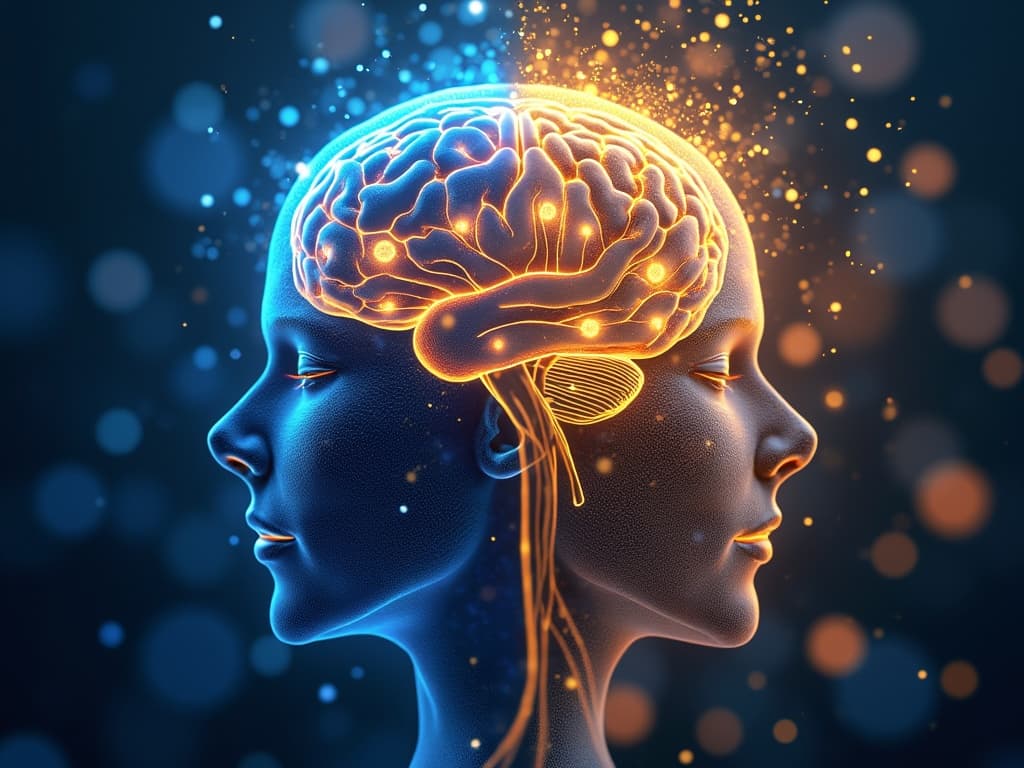
The hippocampus, vital for memory and cognition, is particularly vulnerable to cortisol due to its abundance of glucocorticoid receptors. While moderate cortisol boosts is performance, excessive exposure impairs its structure and function, shrinking neurons and connections. Over years to decades, this accelerates aging.
Early life stress also induces lasting changes, upregulating genes that increase amygdala reactivity and anxiety behaviors. Effects like enlarged, hypersensitive amygdala can even pass down transgenerationally via epigenetic alterations.
Our Pliable Stress Perception
Beyond physiological sensitivity differences, personality profoundly shapes how one appraises potential stressors. Our brains utilize past experiences and subconscious filters to evaluate possible threats. Two people can have wildly divergent physiological reactions depending on how situations get interpreted.
Context also plays a key role. The same low status can cause minimal distress in one environment yet become highly taxing in another. Humans tend to perceive social hierarchies based on those where they rank highest rather than their objective position.
Stress and Health Across Our Lifespans
The human stress response clearly evolved for acute physical threats rather than persistent modern pressures. Though linkages to illnesses like cancer remain unclear, chronic stress undoubtedly increases risks for numerous metabolic, cardiovascular, neuropsychiatric conditions and multiplies age-related decline.
Minimizing lifestyle stress through self-care approaches like exercise, sleep, and social connection appears vital for long-term wellbeing. If anxiety, depression or cognitive issues develop, prompt medical attention may help prevent further harm.
Our complex psychology and physiology make stress an intricately double-edged sword, both stimulating growth and adaptation yet inflicting silent damage when unchecked. With care and wisdom, we can foster resilience and chart wiser courses through its turbulent waters.