


Unraveling the Roots of Illness: How Trauma and Society Shape Our Health
In the field of medicine, there is a growing recognition that our physical and mental well-being is profoundly influenced by factors beyond our individual biology. Increasingly, researchers and healthcare professionals are exploring the complex interplay between trauma, social conditions, and health outcomes. This article delves into the fascinating science behind these connections and examines how a deeper understanding of these relationships could transform our approach to health and healing.
The Invisible Wounds: Childhood Trauma and Health
Childhood trauma, even when not extreme, can have far-reaching effects on an individual’s health throughout their lifetime. These traumas, which can range from neglect and emotional abuse to witnessing violence or experiencing loss, leave invisible wounds that shape our physiology and psychology.
Research has consistently shown that adverse childhood experiences (ACEs) are strongly associated with an increased risk of developing chronic health conditions later in life, including:
- Autoimmune diseases
- Cancer
- Depression and anxiety disorders
- Substance abuse and addiction
One groundbreaking study, the Adverse Childhood Experiences (ACE) Study, found a dose-response relationship between the number of ACEs an individual experienced and their risk of developing health problems. The more ACEs a person had, the higher their likelihood of facing chronic illness, mental health challenges, and even early death.
The Biological Mechanisms: How Trauma Gets Under the Skin
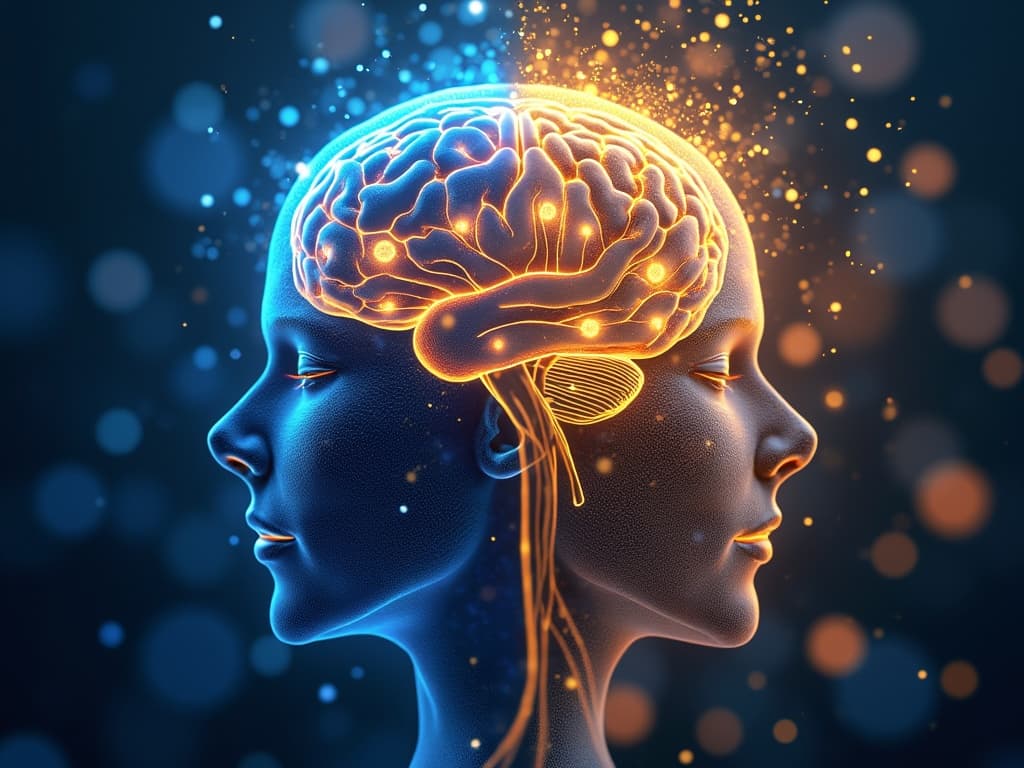
But how exactly does trauma “get under the skin” to influence our health? The answer lies in the intricate connections between our minds and bodies. When we experience stress or trauma, our bodies respond by releasing a cascade of stress hormones, such as cortisol and adrenaline. While these hormones are essential for our “fight or flight” response in the face of acute danger, chronic activation of the stress response system can take a toll on our health.
Prolonged exposure to stress hormones can lead to inflammation, immune system dysregulation, and changes in brain structure and function. These biological changes can set the stage for the development of various health problems, from heart disease and diabetes to depression and addiction.
Moreover, recent research in the field of epigenetics has shown that trauma can actually alter the way our genes are expressed, without changing the underlying DNA sequence. This means that the effects of trauma can be passed down through generations, influencing the health of children and grandchildren who may have never directly experienced the original traumatic event.
The Myth of Normal: How Society Shapes Our Health
Beyond individual experiences of trauma, the society we live in can also have a profound impact on our health. The concept of the “myth of normal” suggests that many conditions we consider abnormal are actually normal responses to an abnormal society that fails to meet basic human needs.
Consider, for example, the rising rates of depression and anxiety in modern society. While these conditions are often viewed as individual mental health problems, they may actually be understandable responses to a culture that emphasizes individualism, competition, and materialism over community, connection, and meaning.
Similarly, the epidemic of chronic diseases, such as obesity, diabetes, and heart disease, cannot be fully understood without examining the social and environmental factors that shape our lives. From the food we eat to the air we breathe, our health is intimately connected to the conditions in which we live, work, and play.
The Social Determinants of Health
Researchers have identified several key social determinants of health that can have a powerful influence on our well-being, including:
- Income and wealth inequality
- Education and literacy
- Housing and neighborhood conditions
- Access to healthcare and social services
- Discrimination and social exclusion
These factors can create a vicious cycle, where those who are already disadvantaged are more likely to experience trauma and stress, which in turn can further undermine their health and well-being.
Rethinking Medicine: Toward a Trauma-Informed Approach
Given the overwhelming evidence linking trauma and social conditions to health outcomes, it is clear that our current approach to medicine and healthcare is incomplete. To truly promote health and healing, we must move beyond a narrow focus on individual biology and embrace a more holistic, trauma-informed approach.
This means recognizing that our patients’ symptoms and behaviors are not simply the result of faulty genes or poor choices, but rather the understandable responses to the traumas and stressors they have experienced. It means creating healthcare environments that are safe, supportive, and empowering, where patients feel seen, heard, and validated.
A trauma-informed approach also requires a fundamental shift in how we think about illness and healing. Rather than viewing diseases as enemies to be fought or suppressed, we can begin to see them as teachers that guide us back to unresolved traumas and unmet needs. By listening to the wisdom of our bodies and minds, we can begin to heal not only our individual wounds but also the collective traumas that shape our society.
The Promise of Integrative Medicine
One promising avenue for incorporating a trauma-informed approach into healthcare is the field of integrative medicine. Integrative medicine seeks to combine the best of conventional and complementary therapies, with a focus on the whole person – body, mind, and spirit.
Integrative approaches may include:
- Mind-body therapies, such as meditation, yoga, and acupuncture
- Nutrition and lifestyle interventions
- Psychotherapy and counseling
- Expressive arts therapies, such as music, art, and dance therapy
- Psychedelic-assisted therapies, when used appropriately and under medical supervision
By addressing the root causes of illness and supporting the body’s natural healing capacities, integrative medicine offers a promising path forward for a more compassionate and effective healthcare system.
Healing the Wounds, Transforming the Culture
Ultimately, the science of trauma and health challenges us to think beyond the individual and consider the broader social and cultural context in which we live. To truly promote health and well-being for all, we must work to create a society that supports connection, compassion, and resilience.
This means investing in policies and programs that address the social determinants of health, such as affordable housing, quality education, and access to healthcare. It means creating a culture that values empathy, vulnerability, and mutual support over competition and individualism. And it means acknowledging and healing the collective traumas that have shaped our history and continue to impact our present.
By embracing a trauma-informed approach to health and healing, we have the opportunity to not only alleviate individual suffering but also to transform our society as a whole. As we work to heal the wounds of trauma, both within ourselves and within our communities, we can begin to create a world where all people have the opportunity to thrive and reach their full potential.
The path forward is not easy, but it is essential. By bringing together the wisdom of science, the compassion of healthcare, and the resilience of the human spirit, we can work towards a future where health and well-being are not just the absence of disease, but the presence of wholeness, connection, and vitality.