Balancing Antioxidants and Free Radicals: The Key to Optimal Health
Introduction
In the quest for optimal health, it’s essential to understand the intricate balance between free radicals and antioxidants in our bodies. While free radicals have gained a reputation as the villains of cellular health, the truth is more nuanced. This article delves into the complex relationship between free radicals and antioxidants, exploring their roles in maintaining health and preventing disease.
Understanding Free Radicals
Free radicals are highly reactive molecules that are naturally produced in the body as a byproduct of cellular metabolism. They play a crucial role in various physiological processes, including cell signaling and immune system defense. However, when the body’s natural balance is disrupted, and there is an excess of free radicals, a state known as oxidative stress occurs.
Causes of Oxidative Stress
Several factors can contribute to an accumulation of free radicals in the body, leading to oxidative stress:
- Environmental toxins and pollutants
- Chronic stress (both physiological and psychological)
- Excess metals and minerals (e.g., iron, copper, chromium)
- UV light exposure and radiation
- Nutrient-deficient diets
The Role of Antioxidants
Antioxidants are the body’s natural defense against free radicals. These protective molecules work to neutralize free radicals, preventing them from causing cellular damage. Antioxidants can be produced endogenously by the body or obtained through dietary sources.
Glutathione: The Master Antioxidant
Glutathione, often referred to as the “master antioxidant,” is a powerful compound produced naturally in the body. It is composed of three amino acids: cysteine, glycine, and glutamic acid. Glutathione plays a vital role in combating oxidative stress and is associated with numerous health benefits, including improved detoxification, immune function, and longevity.
Astaxanthin: The Algal Powerhouse
Astaxanthin, a red-orange pigment found in certain algae and seafood, is another potent antioxidant. This carotenoid has been shown to have remarkable anti-inflammatory and neuroprotective properties. Astaxanthin’s unique structure allows it to cross the blood-brain barrier, offering protection to the central nervous system.
Quercetin: Nature’s Antihistamine
Quercetin, a flavonoid found in various fruits, vegetables, and herbs, is renowned for its antioxidant and anti-inflammatory properties. This plant compound has been studied for its potential to alleviate symptoms of allergies and reduce the risk of chronic diseases. Quercetin is also known to support healthy immune function and cardiovascular health.
Balancing Free Radicals and Antioxidants
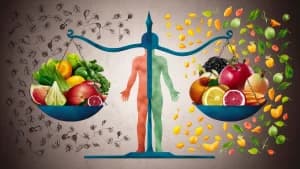
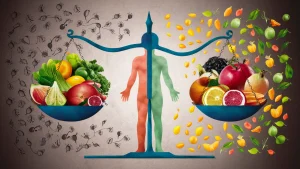
Achieving optimal health requires a delicate balance between free radicals and antioxidants. While free radicals serve essential functions in the body, an excess can lead to oxidative stress and contribute to the development of chronic diseases. Antioxidants, on the other hand, help to maintain this balance by neutralizing free radicals and preventing cellular damage.
Dietary Sources of Antioxidants
Incorporating a variety of antioxidant-rich foods into the diet is crucial for maintaining the body’s natural balance. Some excellent dietary sources of antioxidants include:
- Fruits: Berries, citrus fruits, pomegranates, grapes
- Vegetables: Leafy greens, sweet potatoes, squash, bell peppers
- Herbs and spices: Turmeric, ginger, cinnamon, oregano
- Nuts and seeds: Almonds, walnuts, chia seeds, flax seeds
- Whole grains: Oats, quinoa, brown rice
Supplementation: When Is It Necessary?
While a balanced diet rich in antioxidants is the foundation of optimal health, there may be instances where supplementation is warranted. Individuals with chronic health conditions, nutrient deficiencies, or increased oxidative stress may benefit from targeted antioxidant supplementation under the guidance of a healthcare professional.
The Mind-Body Connection
Achieving optimal health extends beyond the physical realm. The mind-body connection plays a significant role in overall well-being, and addressing emotional and psychological factors is just as important as nourishing the body with antioxidants.
Letting Go of Perfectionism
Perfectionism can be a significant source of stress and self-imposed pressure. Learning to embrace imperfection and focusing on progress rather than perfection can help reduce oxidative stress and promote emotional well-being. Recognizing that health is a journey, not a destination, allows for a more compassionate and sustainable approach to self-care.
Cultivating Self-Compassion
Self-compassion involves treating oneself with kindness, understanding, and acceptance, especially during challenging times. Engaging in practices such as mindfulness, gratitude, and self-care can help cultivate a sense of self-compassion and reduce the impact of stress on the body and mind.
Conclusion
Understanding the intricate balance between free radicals and antioxidants is essential for achieving optimal health. By incorporating antioxidant-rich foods, considering targeted supplementation when necessary, and addressing the mind-body connection, individuals can support their body’s natural defenses against oxidative stress. Embracing a holistic approach to health, one that nourishes both the physical and emotional aspects of well-being, is the key to unlocking the body’s innate healing potential and promoting longevity.