The Oral-Systemic Health Connection: The Importance of Caring for Your Mouth and Body
Tooth Anatomy: More Complex Than You Think
At first glance, teeth may seem like simple, hard structures designed solely for chewing. However, a tooth’s anatomy is remarkably intricate. Teeth consist of three main layers – the outer enamel made of minerals, the softer dentin beneath it, and the pulp at the center containing nerves and blood vessels. This complex innervation serves an important purpose – sensing infection and enabling an immune response when bacteria reach the pulp.
Different types of teeth also serve varied functions. Incisors cut food, canines tear meat, premolars crush food, and molars grind it. Molars tend to have more roots to provide stability for chewing. This complex integration of 32 teeth allows us to properly digest our food.
Maintaining a Healthy Oral Environment
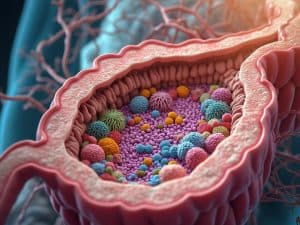
Saliva plays a huge role in preserving oral health. It contains compounds that balance the oral microbiome, constantly washing away bacteria. An adequate saliva flow is crucial – when diminished, opportunistic microbes can overgrow and cause disease. The tongue, throat, and other oral structures also house different microbial communities.
Daily brushing disrupts biofilm formation and removes food particles before decay-causing bacteria metabolize them into acids. Flossing cleans between teeth and gums, accessing plaque that brushing misses. Fluoridated toothpaste strengthens enamel and prevents cavities. Rinsing toothbrushes prevents microbes from colonizing them between uses.
Gum Disease and Dental Decay
When oral hygiene lapses, bacteria proliferate and cause problems. Bacteria ferment carbohydrates into acids that demineralize tooth enamel and cause cavities (dental caries). Childhood caries from overnight milk bottles are very common. As decay reaches the sensitive dentin and tooth pulp, it becomes painful.
Gum inflammation (gingivitis) arises when plaque builds along the gumline. Untreated, it provokes chronic inflammation, deteriorating connective tissue, and enabling bacterial invasion – resulting in periodontitis. The progressive destruction of ligaments and bone loss characteristic of severe gum disease leads to receding gums, tooth loosening, and eventual loss.
Oral Health’s Systemic Implications
Emerging research reveals intriguing associations between poor oral hygiene and various systemic diseases. The inflammatory immune response to oral bacteria may link the two. Scientists suspect connections between periodontal pathogens and cardiovascular disease, diabetes complications, Alzheimer’s markers, and adverse pregnancy outcomes.
Cancer patients are especially vulnerable to oral inflammation’s systemic effects due to chemotherapy-induced immunosuppression. Aggressive oral care reduces complications in this fragile population. Overall, prioritizing prevention via conscientious daily oral hygiene benefits systemic health.
Recommendations for Optimal Oral Health
Diligent oral hygiene is crucial for preserving oral and systemic health. Key practices include:
- Brushing thoroughly with a soft brush and fluoride toothpaste to disrupt biofilms upon waking, before bedtime, and once during the day
- Flossing daily to access plaque between teeth that brushing misses
- Rinsing toothbrushes between uses and allowing them to air dry to prevent microbial growth
- Getting a professional dental cleaning every 6 months to remove hardened calculus deposits
- Chewing xylitol gum or mints to stimulate protective saliva flow
- Consuming a balanced, low-sugar diet to avoid feeding harmful oral bacteria
Simple proactive habits go a long way in maintaining oral health, preventing disease, and safeguarding systemic wellbeing.