


Natural Senolytics: Understanding and Implementing Cell Senescence Therapies in Clinical Practice
Introduction
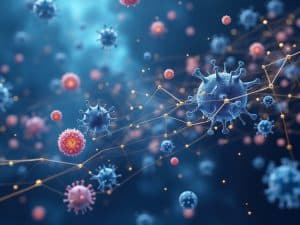
The quest to understand and influence the aging process has been at the forefront of medical research for decades, with cellular senescence emerging as a critical focus in recent years. As cells age, a portion of them enter a distinctive state known as cellular senescence, where they cease to divide but remain metabolically active, secreting various inflammatory compounds that affect surrounding tissues. These “zombie cells,” as they’re colloquially known, accumulate over time and significantly contribute to the aging process and age-related diseases, making them a crucial target for therapeutic intervention.
Recent advances in senescence research have revealed promising natural compounds, known as senolytics, that can selectively eliminate senescent cells while leaving healthy cells unharmed. This breakthrough has sparked intense interest in both the scientific community and the public health sector, as it presents a potentially transformative approach to age-related disease management. The identification of natural senolytic compounds, particularly those found in common foods and herbs, has opened new avenues for developing accessible interventions that could significantly impact healthspan and longevity.
The integration of senolytic strategies into clinical practice represents a paradigm shift in how we approach aging and age-related diseases. This comprehensive examination explores the fundamental biology of cellular senescence, the role of natural senolytic compounds, and their practical applications in clinical settings. From cutting-edge research on cellular mechanisms to practical lifestyle interventions, we delve into evidence-based approaches for leveraging these insights in both medical practice and daily life. Special attention is given to the synergistic effects of various interventions, including exercise, fasting protocols, and complementary therapies, all of which work together to optimize senolytic outcomes and promote healthy aging.
These emerging understandings of cellular senescence and natural senolytics are reshaping our approach to age-related health challenges, offering new hope for maintaining vitality and function throughout the lifespan. Through careful examination of current research and practical applications, this article provides a roadmap for healthcare practitioners and informed individuals seeking to implement these powerful insights into their treatment protocols and lifestyle strategies.
Core Concepts
At the cellular level, senescence represents a complex biological process characterized by permanent cell cycle arrest while maintaining metabolic activity. This state differs significantly from cellular quiescence or programmed cell death (apoptosis) in that senescent cells actively influence their surrounding environment through the secretion of pro-inflammatory factors, growth factors, and enzymes collectively known as the Senescence-Associated Secretory Phenotype (SASP). Understanding this fundamental distinction is crucial, as it explains why senescent cells, despite being growth-arrested, continue to impact tissue function and contribute to aging phenomena throughout the body.
The accumulation of senescent cells follows distinct patterns across different tissue types and age ranges, with certain organs showing greater susceptibility to senescent cell burden. These cells can be identified through various biomarkers, including p16INK4a expression, senescence-associated β-galactosidase activity, and specific SASP factors. The presence of these markers allows researchers and clinicians to track senescent cell accumulation and evaluate the effectiveness of interventions designed to eliminate them. This quantification ability has proven instrumental in developing targeted therapeutic approaches and understanding the progression of age-related diseases.
Natural senolytic compounds operate through specific molecular pathways that exploit the unique characteristics of senescent cells. These compounds typically target anti-apoptotic mechanisms that senescent cells rely on for survival, such as the BCL-2 family of proteins or dependent receptor tyrosine kinases. Key natural senolytics include flavonoids like fisetin and quercetin, found in fruits and vegetables, and polyphenols like curcumin from turmeric. These compounds demonstrate varying degrees of selectivity and efficacy, with some showing particular promise in specific tissue types or against certain senescence-induced conditions.
The clinical application of senolytic compounds requires careful consideration of timing and dosing strategies. Unlike traditional medications taken daily, senolytics often prove most effective when administered in periodic “pulse” doses, allowing for the selective elimination of senescent cells while minimizing potential side effects on healthy tissue. This approach, known as senolytic therapy, has shown promising results in early clinical trials, particularly in addressing age-related conditions such as osteoarthritis, cardiovascular disease, and chronic inflammation.
Supporting the body’s natural senolytic processes involves a multifaceted approach that extends beyond direct senolytic supplementation. Exercise, particularly high-intensity interval training (HIIT), has been shown to promote autophagy and reduce senescent cell burden. Similarly, various fasting protocols can trigger cellular cleanup mechanisms while enhancing the effectiveness of senolytic compounds. These lifestyle interventions work synergistically with natural senolytics to optimize cellular health and promote systemic rejuvenation.
The integration of complementary therapies further enhances the effectiveness of senolytic interventions through multiple mechanisms. Digestive health optimization ensures proper absorption and utilization of natural senolytic compounds, while adaptogenic herbs help maintain cellular resilience and stress response capabilities. Constitutional assessment approaches allow for personalized treatment protocols that account for individual variations in metabolism, inflammation patterns, and cellular aging profiles. This comprehensive strategy, combining targeted senolytic interventions with supportive therapies and lifestyle modifications, represents a promising approach to managing age-related decline and promoting healthy longevity.
Current Understanding
Cellular senescence represents a fundamental aspect of biological aging, characterized by cells that cease division but remain metabolically active, contributing to systemic inflammation and tissue dysfunction. These senescent cells, often called “zombie cells,” accumulate throughout the body over time, releasing inflammatory compounds known as the Senescence-Associated Secretory Phenotype (SASP). This process plays a crucial role in various age-related conditions, from arthritis to cardiovascular disease, making the understanding and targeting of senescent cells a key focus in longevity research.
The identification of natural compounds capable of selectively eliminating senescent cells has opened new therapeutic possibilities in age-related disease management. These natural senolytics, including compounds like fisetin from strawberries, quercetin from apples and onions, and curcumin from turmeric, work by targeting specific survival mechanisms that senescent cells depend on. The effectiveness of these compounds varies based on their bioavailability and tissue specificity, with some showing particular promise in addressing specific age-related conditions while maintaining favorable safety profiles.
Clinical applications of natural senolytics have demonstrated significant potential in improving health outcomes across multiple body systems. Research indicates that these compounds work best when administered in specific patterns, typically involving periodic “pulse” dosing rather than continuous administration. This approach allows for the selective elimination of senescent cells while minimizing potential impacts on healthy tissue function. Clinical trials have shown promising results in reducing inflammatory markers, improving physical function, and enhancing cardiovascular health among older adults.
The integration of senolytic strategies with lifestyle modifications creates a synergistic approach to cellular health optimization. Regular exercise, particularly high-intensity interval training, has been shown to complement senolytic treatments by promoting cellular cleanup mechanisms and reducing inflammation. Similarly, various fasting protocols can enhance the body’s natural ability to eliminate damaged cells while improving the effectiveness of senolytic compounds. These lifestyle interventions work together to create an environment conducive to healthy cellular function and reduced senescent cell burden.
Supporting therapies and personalized approaches play vital roles in maximizing the benefits of senolytic interventions. Optimizing digestive health ensures proper absorption of natural compounds, while adaptogenic herbs help maintain cellular resilience against various stressors. Individual constitutional assessment allows for tailored protocols that account for personal variations in metabolism, inflammation patterns, and cellular aging profiles. This comprehensive approach, combining targeted senolytic treatments with supportive therapies and lifestyle modifications, presents a promising strategy for managing age-related decline and promoting healthy longevity.
Clinical Applications
The clinical implementation of senolytic therapies requires a structured approach that balances efficacy with patient safety and compliance. Initial patient assessment should include comprehensive bloodwork focusing on inflammatory markers, oxidative stress indicators, and basic metabolic parameters. These baseline measurements, combined with a thorough evaluation of the patient’s current health status and specific age-related concerns, help determine the most appropriate senolytic protocol and establish measurable outcomes for tracking progress.
Treatment protocols typically begin with a preparation phase lasting 2-4 weeks, during which digestive function is optimized and inflammatory factors are addressed through dietary modifications and targeted supplementation. The core senolytic protocol usually involves periodic administration of natural compounds, with fisetin and quercetin being primary agents, typically dosed over 2-3 consecutive days every 3-4 months. This “pulse” dosing strategy maximizes effectiveness while minimizing potential side effects. Dosage ranges for fisetin typically fall between 500-1000mg daily during treatment days, while quercetin is often administered at 500-1000mg twice daily, preferably combined with a bioavailability enhancer such as bromelain or Piper longum extract.
The integration of lifestyle modifications is crucial for optimizing senolytic outcomes. Patients should be guided to incorporate specific exercise protocols, particularly focusing on high-intensity interval training (HIIT) sessions 2-3 times per week, with each session lasting 20-30 minutes. Fasting strategies are typically introduced gradually, beginning with 12-hour overnight fasting and potentially progressing to 16:8 intermittent fasting or periodic 24-hour fasts, timed to coincide with senolytic administration for enhanced effects. These interventions should be carefully monitored and adjusted based on individual patient response and tolerance.
Supporting the primary protocol with complementary therapies enhances overall outcomes. Specific adaptogenic herbs like Ashwagandha (600-900mg daily) and Rhodiola (200-400mg daily) help optimize stress response and cellular resilience. Microbiome support through targeted probiotics and prebiotic fibers enhances the absorption and effectiveness of natural senolytics. Regular monitoring of treatment response should include both objective markers (inflammatory cytokines, oxidative stress markers) and subjective measures (energy levels, physical function, cognitive performance) at 3-month intervals. This comprehensive approach allows for ongoing protocol refinement and ensures optimal therapeutic outcomes while maintaining patient safety and engagement in the treatment process.
Future Implications
The future of senolytic medicine appears poised for significant advancement, with several promising developments on the horizon. Current research trajectories suggest that within the next decade, we may see the emergence of more targeted natural compounds with enhanced senolytic properties. These developments are likely to stem from ongoing investigations into the molecular mechanisms of cellular senescence, potentially leading to the identification of new plant-based compounds that can more selectively eliminate senescent cells while demonstrating improved bioavailability and reduced side effects. The integration of artificial intelligence in analyzing botanical databases could accelerate this discovery process, potentially uncovering novel senolytic compounds from previously unexplored natural sources.
The clinical application of senolytics is expected to evolve toward more personalized approaches, incorporating advanced diagnostic tools that can precisely measure individual senescent cell burden and distribution patterns. Emerging technologies in biomarker detection and tissue-specific targeting may enable healthcare practitioners to develop highly customized protocols based on each patient’s unique aging profile. This progression could lead to the development of specialized senolytic combinations designed for specific age-related conditions, moving away from current broad-spectrum approaches toward more targeted interventions. The potential integration of circadian rhythm optimization and chronobiology in senolytic administration timing could further enhance treatment efficacy.
Perhaps most significantly, the convergence of senolytic therapy with other emerging fields in longevity medicine suggests the potential for transformative therapeutic approaches. The combination of natural senolytics with advances in stem cell therapy, exosome treatment, and regenerative medicine could create synergistic effects that not only eliminate senescent cells but also actively promote tissue regeneration and functional recovery. This integrative approach might extend beyond current applications in age-related diseases to address broader aspects of biological aging, potentially offering new strategies for maintaining cognitive function, physical performance, and overall vitality throughout the lifespan.
Looking further ahead, the development of more sophisticated delivery systems for natural senolytics could dramatically improve their effectiveness and accessibility. Nanotechnology-based delivery mechanisms, time-release formulations, and tissue-specific targeting systems may enhance the bioavailability and precision of natural senolytic compounds. These technological advances, combined with deeper understanding of the interaction between senolytics and various lifestyle factors, could lead to more comprehensive and effective anti-aging protocols that integrate seamlessly into daily life while producing more substantial and sustained benefits for healthspan and longevity.
Practical Considerations
Implementing senolytic protocols requires careful attention to several practical considerations to optimize outcomes and ensure patient safety. The timing and sequencing of interventions play a crucial role in treatment success. Begin with a 2-4 week preparation phase focusing on reducing inflammatory burden through diet modification and targeted supplementation before initiating senolytic protocols. This preparation phase helps minimize potential side effects and enhances treatment response. Common challenges during this phase include patient compliance with dietary changes and supplement timing; addressing these early through detailed written protocols and regular check-ins can significantly improve adherence.
One of the most significant practical challenges involves optimizing the absorption and bioavailability of natural senolytic compounds. Many of these compounds, particularly quercetin and curcumin, have naturally low bioavailability. Implementation strategies should include combining these compounds with bioavailability enhancers such as piperine from black pepper or phospholipid complexes. Additionally, timing administration around meals can impact absorption – most natural senolytics show better absorption when taken with small amounts of healthy fats. Consider providing patients with specific meal timing guidelines and food combination suggestions to maximize therapeutic benefits.
Managing potential side effects and monitoring treatment response requires a structured approach. Common initial reactions can include fatigue, mild gastrointestinal discomfort, or temporary changes in sleep patterns as senescent cells are cleared. Implement a graduated dosing strategy, starting with lower doses and gradually increasing based on individual tolerance. Regular monitoring should include both objective measures (inflammatory markers, oxidative stress indicators) and subjective assessments (energy levels, joint mobility, cognitive function). Establish clear communication channels for patients to report any adverse effects and create protocol modifications as needed. Consider using standardized questionnaires or symptom tracking apps to maintain consistent monitoring.
Integration with existing health routines and lifestyle factors presents another practical consideration. Exercise timing should be coordinated with senolytic administration – generally, it’s advisable to reduce high-intensity exercise during active senolytic treatment days while maintaining moderate activity. Fasting protocols should be introduced gradually, with clear guidelines for patients on managing energy levels and maintaining hydration. Many patients benefit from a structured calendar that outlines the timing of different interventions, including supplement administration, exercise sessions, and fasting periods. This comprehensive approach helps prevent overwhelming patients while ensuring all therapeutic elements work synergistically.
The long-term success of senolytic protocols often depends on establishing sustainable routines and expectations. Create clear progression markers and milestone check-ins to help patients understand their treatment journey. Address common adherence challenges by developing strategies for travel, social situations, and schedule disruptions. Consider seasonal variations in protocol design, as some patients may require modified approaches during different times of the year. Regular reassessment of treatment protocols, typically every 3-6 months, allows for refinement based on individual response and changing health needs. This dynamic approach helps maintain treatment effectiveness while ensuring protocols remain practical and manageable for long-term implementation.
Frequently Asked Questions
What exactly are senescent cells and how do they affect aging?
Senescent cells, often called “zombie cells,” are cells that have stopped dividing but remain metabolically active. Unlike healthy cells or those that undergo programmed cell death, senescent cells secrete inflammatory compounds (known as the Senescence-Associated Secretory Phenotype or SASP) that can damage surrounding tissues and contribute to aging and age-related diseases.
These cells accumulate naturally with age and can be triggered by various stressors, including oxidative damage, DNA damage, and chronic inflammation. Their presence has been linked to numerous age-related conditions, including arthritis, cardiovascular disease, and cognitive decline, making them a crucial target for anti-aging interventions.
How do natural senolytics work, and what are the most effective compounds?
Natural senolytics work by targeting specific survival mechanisms that senescent cells depend on, effectively triggering their elimination while leaving healthy cells unharmed. The most well-researched natural compounds include fisetin (found in strawberries), quercetin (present in apples and onions), and curcumin (from turmeric). These compounds work by interfering with anti-apoptotic pathways that senescent cells use to avoid death.
Current research suggests that fisetin may be the most potent natural senolytic, with studies showing it can eliminate up to 25-50% of senescent cells when properly administered. Quercetin shows enhanced effectiveness when combined with dasatinib or other compounds that improve its bioavailability. The key to their effectiveness lies in proper dosing strategies and timing, typically involving periodic “pulse” dosing rather than daily administration.
What is the optimal dosing strategy for senolytic supplements?
The most effective approach to senolytic supplementation involves periodic “pulse” dosing rather than daily administration. Typical protocols involve taking higher doses of senolytics for 2-3 consecutive days every 3-4 months. For example, fisetin is often dosed at 500-1000mg daily during treatment days, while quercetin is typically administered at 500-1000mg twice daily.
This intermittent dosing strategy is based on research showing that senescent cells take time to accumulate, and continuous dosing isn’t necessary or beneficial. Additionally, pulse dosing helps minimize potential side effects while maximizing the therapeutic benefits. It’s important to note that these supplements should be taken with appropriate bioavailability enhancers and timed around meals for optimal absorption.
How can lifestyle factors enhance senolytic treatments?
Lifestyle interventions play a crucial role in enhancing the effectiveness of senolytic treatments. High-intensity interval training (HIIT) has been shown to promote autophagy and reduce senescent cell burden naturally. Exercise should be incorporated 2-3 times per week, with sessions lasting 20-30 minutes, though timing should be adjusted around active senolytic treatment days.
Fasting strategies also significantly enhance senolytic effects. Starting with 12-hour overnight fasting and potentially progressing to 16:8 intermittent fasting or periodic 24-hour fasts can amplify the benefits of senolytic compounds. Additionally, maintaining proper sleep patterns, stress management, and a diet rich in anti-inflammatory foods creates an optimal environment for senolytic treatments to work effectively.
How long does it take to see results from senolytic therapy?
Results from senolytic therapy typically begin to manifest within 3-6 months of starting a properly structured protocol. Initial improvements often include reduced inflammation markers, improved energy levels, and better joint mobility. However, more significant results, such as improved cardiovascular health markers and cognitive function, may take 6-12 months to become apparent.
The timeline for results can vary significantly based on individual factors including age, initial health status, compliance with protocols, and the integration of supporting lifestyle modifications. Regular monitoring through both objective markers (blood tests) and subjective measures (symptom tracking) is essential for evaluating progress and adjusting protocols as needed.
Closing Thoughts
The emergence of cellular senescence as a key driver of aging, coupled with the discovery of natural compounds capable of selectively eliminating senescent cells, represents a significant breakthrough in our understanding and management of age-related decline. The integration of natural senolytics with lifestyle interventions and complementary therapies offers a comprehensive approach to promoting healthy aging that is both accessible and evidence-based. This multifaceted strategy, combining targeted supplementation with exercise, fasting protocols, and personalized support measures, provides a robust framework for addressing the complex challenges of cellular aging and age-related diseases.
As research in this field continues to advance, we can anticipate the development of more refined protocols and potentially more effective natural compounds. The future of senolytic therapy likely lies in increasingly personalized approaches, utilizing advanced diagnostics to target specific patterns of cellular senescence and optimize treatment outcomes for individual patients. The convergence of traditional botanical wisdom with modern scientific understanding continues to unveil new possibilities for leveraging natural compounds in the pursuit of healthy longevity.
Looking ahead, the field of senolytic medicine stands poised to revolutionize our approach to aging and age-related diseases. The ongoing development of more sophisticated delivery systems, combined with deeper understanding of timing and dosing strategies, suggests that the therapeutic potential of natural senolytics has only begun to be realized. As we continue to uncover the intricate relationships between cellular senescence, systemic inflammation, and age-related decline, the role of natural senolytics in promoting healthspan and longevity will likely become increasingly central to preventive healthcare and age management strategies.