

The Evolution of Medical Skincare: Scientific Foundations and Advanced Protocols
Introduction
The intersection of medical science and skincare has evolved dramatically over the past decade, transforming what was once considered purely cosmetic into a legitimate branch of preventative healthcare. As our understanding of the skin’s complex biology deepens, medical professionals and researchers continue to uncover the intricate relationships between skin barrier function, microbiome health, and overall wellness. This scientific foundation has given rise to evidence-based skincare protocols that combine traditional knowledge with cutting-edge innovations, creating a new paradigm in aesthetic medicine.
Recent advances in dermatological research have highlighted the critical importance of maintaining skin health through medical-grade interventions and scientifically validated treatments. The emergence of sophisticated delivery systems, bioactive compounds, and non-invasive technologies has revolutionized the field, offering unprecedented opportunities for both prevention and treatment of various skin conditions. Furthermore, the integration of natural botanicals and novel ingredients like CBD into clinical skincare has opened new avenues for therapeutic applications, supported by growing bodies of research demonstrating their efficacy in maintaining skin homeostasis.
Today’s comprehensive approach to medical skincare encompasses multiple dimensions, from daily protective protocols to advanced aesthetic procedures. This integrated methodology addresses not only surface-level concerns but also deeper physiological processes that influence skin health and appearance. By combining proper cleansing techniques, active ingredient optimization, and cutting-edge treatments such as laser therapy and neurotoxin applications, practitioners can now offer personalized solutions that achieve both immediate results and long-term benefits. This holistic perspective represents a significant shift from traditional cosmetic approaches, emphasizing the importance of evidence-based practices in achieving optimal skin health and aesthetic outcomes.
As we explore the foundations of medical skincare, essential protocols, advanced treatments, and integrative approaches, we will examine how these elements work together to create comprehensive skincare solutions. This analysis will cover the latest developments in skin barrier protection, the role of botanical ingredients, emerging technologies in aesthetic medicine, and the importance of personalized treatment strategies. By understanding these interconnected aspects, healthcare providers can better serve their patients while advancing the field of aesthetic medicine through evidence-based practices and innovative approaches.
Core Concepts
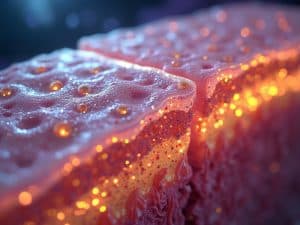
At the core of medical skincare lies the skin barrier function, a complex biological system that serves as our primary defense against environmental stressors. This sophisticated barrier consists of multiple layers, including the stratum corneum, which functions as a brick-and-mortar structure composed of corneocytes (dead skin cells) held together by lipids. Understanding this fundamental architecture is crucial, as it influences everything from hydration levels to the effectiveness of topical treatments. The skin barrier also houses the microbiome, a diverse ecosystem of beneficial bacteria that plays a vital role in maintaining skin health and preventing pathogenic infections.
The integration of botanical compounds into medical skincare represents a significant advancement in dermatological treatment options. These natural ingredients contain bioactive compounds such as polyphenols, flavonoids, and terpenes, which exhibit powerful antioxidant and anti-inflammatory properties. For example, green tea extracts contain epigallocatechin gallate (EGCG), which has been clinically proven to protect against UV damage and reduce signs of photoaging. Similarly, botanical oils rich in essential fatty acids help restore barrier function and support skin healing processes, demonstrating how natural ingredients can be leveraged in evidence-based skincare protocols.
Transdermal delivery systems have revolutionized how active ingredients interact with skin tissues. Advanced formulations now utilize liposomal encapsulation, nanoparticle technology, and specialized carrier molecules to enhance penetration and efficacy. These delivery mechanisms ensure that beneficial compounds reach their intended targets within the skin’s layers, maximizing therapeutic outcomes while minimizing potential irritation. This scientific approach to ingredient delivery has particularly benefited the development of medical-grade products, where precise dosing and optimal bioavailability are crucial for treatment success.
Recent clinical research has expanded our understanding of cannabidiol (CBD) in dermatology, revealing its potential in managing various skin conditions. CBD’s interaction with the endocannabinoid system, which is present in skin tissues, demonstrates anti-inflammatory and sebum-regulating properties. Studies have shown promising results in treating conditions such as acne, eczema, and psoriasis, with CBD’s ability to modulate immune responses and reduce inflammation being particularly noteworthy. This research has led to the development of sophisticated CBD-infused skincare products that meet medical-grade standards for purity and efficacy.
The evolution of medical skincare has been further enhanced by the emergence of complementary technologies and treatment modalities. Advanced diagnostic tools, such as digital skin analysis and molecular testing, now allow for more precise treatment planning and monitoring of outcomes. These technologies work in conjunction with innovative treatment devices, including specific wavelength light therapy, microcurrent stimulation, and ultrasound technology, to address various skin concerns at multiple levels. This technological integration enables practitioners to develop more effective, personalized treatment protocols that consider both immediate concerns and long-term skin health objectives.
The synthesis of these various elements – barrier function, botanical actives, delivery systems, emerging ingredients like CBD, and advanced technologies – forms the foundation of modern medical skincare. This comprehensive approach emphasizes the importance of understanding skin biology while utilizing evidence-based interventions to achieve optimal results. By incorporating these scientific principles into clinical practice, practitioners can develop more effective treatment strategies that address both the underlying causes of skin conditions and their visible manifestations, ultimately leading to better patient outcomes and advancement of the field.
Current Understanding
The foundation of modern medical skincare lies in understanding the complex interplay between the skin’s biological functions and environmental factors that affect its health. At the forefront is the skin barrier, a sophisticated defense system comprising multiple layers that work in concert to maintain homeostasis. This barrier not only protects against external stressors but also regulates moisture balance and hosts the skin microbiome – a diverse ecosystem of beneficial organisms that play a crucial role in maintaining skin health. Recent research has demonstrated that disruptions to this barrier can lead to various dermatological conditions, making its preservation a primary focus in medical skincare protocols.
Advances in botanical science have revolutionized our approach to skincare formulation, with natural compounds increasingly validated through rigorous clinical research. These ingredients, ranging from polyphenol-rich plant extracts to specialized botanical oils, demonstrate significant bioactivity in supporting skin health. Particularly noteworthy are adaptogenic herbs and antioxidant-rich extracts that show measurable effects on skin inflammation, barrier repair, and photoprotection. The integration of these natural compounds with advanced delivery systems has enabled the development of more effective medical-grade skincare products that maintain both efficacy and stability.
The emergence of cannabidiol (CBD) in dermatology represents a significant advancement in therapeutic skincare options. Clinical studies have revealed CBD’s potential in modulating inflammatory responses and regulating sebum production through interaction with the skin’s endocannabinoid system. This research has led to the development of sophisticated formulations that harness CBD’s anti-inflammatory and barrier-supporting properties, particularly beneficial in treating conditions such as acne, eczema, and psoriasis. The growing body of evidence supporting CBD’s efficacy has established it as a valuable component in medical skincare protocols.
Recent developments in delivery system technology have dramatically improved the bioavailability and effectiveness of active ingredients. Advanced techniques such as liposomal encapsulation, microencapsulation, and nanoparticle delivery systems enable better penetration of beneficial compounds into targeted skin layers. These innovations have particularly benefited the formulation of medical-grade products, where precise delivery of active ingredients is crucial for achieving optimal therapeutic outcomes. The ability to enhance ingredient penetration while maintaining skin barrier integrity represents a significant advancement in treatment efficacy.
The integration of these various elements – from barrier protection to advanced delivery systems – has led to the development of comprehensive skincare protocols that address both immediate concerns and long-term skin health. These protocols typically combine daily protective measures with targeted treatments, utilizing a mix of established active ingredients and innovative compounds. Medical professionals now emphasize the importance of personalized treatment plans that consider individual skin conditions, environmental factors, and lifestyle elements, resulting in more effective and sustainable outcomes.
Clinical Applications
The clinical application of medical skincare principles requires a systematic approach that bridges theoretical knowledge with practical implementation. Practitioners should begin by conducting comprehensive skin assessments that evaluate barrier function, microbiome health, and existing conditions. This initial evaluation should include both visual examination and advanced diagnostic tools when available, such as moisture meters, pH testing, and digital imaging analysis. These baseline measurements help determine the most appropriate treatment protocols and provide objective markers for tracking progress over time.
Implementation of medical skincare protocols should follow a graduated approach, starting with barrier repair and protection as the foundation. Clinicians should introduce gentle, pH-balanced cleansers and barrier-supporting moisturizers before incorporating active ingredients. When integrating botanical extracts or CBD-based products, it’s essential to start with lower concentrations and gradually increase based on skin tolerance and response. This methodical approach helps minimize potential irritation while allowing proper evaluation of treatment efficacy. For example, a typical progression might begin with niacinamide and panthenol-based products before advancing to more potent ingredients like retinoids or concentrated botanical extracts.
The practical application of advanced delivery systems requires careful consideration of product layering and timing. Practitioners should educate patients on proper application techniques, emphasizing the importance of allowing each product to fully absorb before applying subsequent layers. Water-based formulations should be applied first, followed by emulsions and oils. When incorporating multiple active ingredients, it’s crucial to consider potential interactions and pH compatibility. For instance, vitamin C serums should typically be applied in the morning, while retinoids are best used in evening routines to maximize their effectiveness while minimizing potential photosensitivity.
Treatment protocols should be customized based on individual patient needs while maintaining consistency with evidence-based practices. This might involve combining different therapeutic modalities, such as topical treatments with light therapy or other non-invasive procedures. Regular monitoring and adjustment of treatment plans is essential, with follow-up assessments scheduled at appropriate intervals to evaluate progress and make necessary modifications. Documentation of treatment responses, including standardized photography and objective measurements, helps track outcomes and refine protocols for optimal results. Practitioners should also establish clear communication channels for patient feedback and concerns, enabling prompt addressing of any adverse reactions or compliance issues.
The successful implementation of medical skincare protocols also requires comprehensive patient education and support systems. Practitioners should develop clear written instructions for home care routines, including detailed application guides and potential reaction management strategies. Regular check-ins, whether in-person or through telemedicine platforms, help ensure proper technique and compliance while allowing for timely adjustments to treatment plans. Additionally, establishing a network of complementary providers, such as nutritionists and wellness specialists, can support a more holistic approach to skin health and enhance overall treatment outcomes.
Future Implications
The future of medical skincare appears poised for significant transformation, driven by advances in biotechnology and personalized medicine. Current research in skin barrier function and the microbiome suggests we’re moving toward highly individualized treatment protocols based on genetic and microbiological profiling. This precision approach will likely enable practitioners to develop customized formulations that account for specific genetic predispositions, microbiome compositions, and environmental factors. The integration of artificial intelligence and machine learning algorithms will further enhance this personalization, potentially allowing for real-time adjustments to treatment protocols based on continuous monitoring of skin health parameters.
Emerging research in nanotechnology and smart delivery systems indicates a probable shift toward more sophisticated treatment methods. Next-generation transdermal delivery systems may incorporate responsive elements that release active ingredients based on specific biological triggers or environmental conditions. These advanced delivery mechanisms could potentially combine multiple therapeutic compounds in single applications, with timed-release capabilities that optimize ingredient efficacy while minimizing potential conflicts between active components. The development of bioresponsive materials may also lead to skincare products that automatically adjust their properties based on the skin’s immediate needs, providing dynamic treatment responses throughout the day.
The convergence of traditional botanical knowledge with modern biotechnology suggests a future where enhanced natural compounds play an increasingly important role in medical skincare. Advanced bioengineering techniques may allow for the development of superior botanical extracts with improved stability, bioavailability, and targeted therapeutic effects. This could lead to a new generation of hybrid products that combine the benefits of natural ingredients with synthetic smart molecules, potentially offering more effective and sustainable treatment options. The continued research into the endocannabinoid system and other molecular pathways may also reveal new therapeutic targets, leading to more precise and effective interventions for various skin conditions.
Practical Considerations
When implementing medical skincare protocols, practitioners must carefully consider several key factors to ensure optimal treatment outcomes. The first consideration is proper patient assessment and categorization, which should include detailed documentation of skin type, concerns, and any history of sensitivities or adverse reactions. This initial evaluation must account for the skin barrier’s current state, as discussed in the foundations section, and should utilize both visual assessment and diagnostic tools when available. Creating a standardized assessment protocol helps ensure consistent evaluation across patients while allowing for individualized treatment planning.
Common challenges in medical skincare implementation often revolve around patient compliance and product integration. To address these issues, practitioners should develop clear, written protocols that outline specific product application orders, timing, and potential contraindications. For example, when introducing active ingredients like retinoids or highly concentrated botanicals, a gradual approach using appropriate buffering techniques can help minimize irritation and improve tolerance. Regular check-ins during the first few weeks of treatment are crucial for monitoring progress and addressing any concerns before they lead to treatment discontinuation.
Product selection and integration present another significant challenge, particularly when combining multiple active ingredients or treatment modalities. Practitioners should carefully consider the compatibility of different products and their delivery systems, as discussed in the transdermal delivery section. A practical solution is to create standardized protocol templates that can be customized based on individual needs while maintaining evidence-based combinations. For instance, when incorporating CBD products with traditional actives, spacing applications throughout the day or alternating days can help prevent potential interactions while maximizing the benefits of each component.
The successful implementation of medical skincare protocols also requires robust patient education and support systems. This includes developing comprehensive educational materials that explain the scientific rationale behind treatment choices, proper application techniques, and expected outcomes. Clear communication about potential adverse effects and management strategies helps set realistic expectations and improves treatment adherence. Additionally, establishing a follow-up system that includes both scheduled assessments and as-needed support ensures timely identification and resolution of any issues that arise during treatment. Documentation of patient progress, including standardized photography and objective measurements, helps track outcomes and provides valuable data for protocol refinement.
Long-term maintenance and treatment optimization require ongoing assessment and adjustment of protocols based on patient response and changing needs. Practitioners should establish clear markers for treatment success and develop strategies for transitioning between different phases of treatment. This might include adjusting product concentrations, introducing new active ingredients, or incorporating complementary treatments as skin health improves. Regular review of current research and emerging technologies, as outlined in the advanced treatment section, ensures that protocols remain current and incorporate new evidence-based approaches when appropriate. This dynamic approach to treatment planning helps maintain long-term results while addressing evolving skin concerns.
Frequently Asked Questions
How do I know if my skin barrier is damaged, and what can I do to repair it?
Common signs of a compromised skin barrier include redness, increased sensitivity, tightness, excessive dryness, and a stinging sensation when applying products. You may also notice increased breakouts or that your skin becomes irritated more easily than usual. These symptoms occur because a damaged barrier cannot effectively protect against environmental stressors or maintain proper hydration levels.
To repair your skin barrier, focus on gentle, pH-balanced cleansers and barrier-supporting ingredients like ceramides, niacinamide, and panthenol. Temporarily discontinue use of active ingredients like retinoids or exfoliants until your skin heals. Incorporate humectants like hyaluronic acid and glycerin, followed by occlusive moisturizers to lock in hydration. This recovery process typically takes 2-4 weeks of consistent care.
What role does the skin microbiome play in overall skin health, and how can I maintain it?
The skin microbiome is a complex ecosystem of beneficial bacteria that helps protect against pathogens, regulates inflammation, and maintains skin pH balance. A healthy microbiome is essential for proper barrier function and can help prevent various skin conditions, including acne, eczema, and premature aging.
To maintain a healthy microbiome, avoid over-cleansing or using harsh antimicrobial products that can disrupt bacterial balance. Choose pH-balanced products and consider incorporating prebiotics and postbiotics into your skincare routine. Maintaining a consistent skincare routine and protecting your skin from environmental stressors also helps support microbiome health.
How do CBD-based skincare products work, and what conditions can they help treat?
CBD works by interacting with the skin’s endocannabinoid system, which helps regulate inflammation, cell growth, and sebum production. When applied topically, CBD can help reduce inflammation, normalize oil production, and support the skin’s natural healing processes. This makes it particularly effective for conditions like acne, eczema, and psoriasis.
Clinical studies have shown that CBD’s anti-inflammatory properties can help calm reactive skin and reduce redness, while its sebum-regulating effects may help balance oil production in acne-prone skin. When choosing CBD skincare products, look for full-spectrum or broad-spectrum formulations from reputable manufacturers who provide third-party testing results to ensure potency and purity.
What’s the optimal order for applying skincare products, and why does it matter?
The proper order of application ensures maximum effectiveness of each product and prevents potential interactions that could reduce efficacy. Start with the thinnest, water-based products and work your way up to thicker, oil-based formulations. The general sequence is: cleanser, toner, water-based serums, treatment products, moisturizer, and sunscreen (during day).
Active ingredients should be applied strategically – for example, vitamin C in the morning for antioxidant protection, and retinoids in the evening for renewal. Allow each product to fully absorb (typically 30-60 seconds) before applying the next layer. This approach ensures proper penetration and prevents products from pilling or becoming less effective.
How often should I exfoliate, and what’s the difference between chemical and physical exfoliation?
The frequency of exfoliation depends on your skin type and the products used, but most people benefit from exfoliating 2-3 times per week. Chemical exfoliants use ingredients like AHAs (glycolic, lactic acid) and BHAs (salicylic acid) to dissolve dead skin cells and unclog pores, while physical exfoliants use particles or tools to manually remove dead skin cells.
Chemical exfoliation typically provides more consistent and controlled results, with less risk of micro-tears in the skin. However, both methods can be effective when used properly. Start with gentle formulations and gradually increase frequency based on your skin’s response. Over-exfoliation can damage the skin barrier, so it’s important to watch for signs of irritation and adjust accordingly.
Closing Thoughts
The evolution of medical skincare represents a significant paradigm shift in how we approach skin health and aesthetic medicine. By integrating scientific understanding of skin barrier function, microbiome health, and advanced delivery systems with evidence-based natural ingredients and emerging technologies, practitioners can now offer increasingly sophisticated and effective treatment protocols. This comprehensive approach, combining traditional knowledge with cutting-edge innovations, has established a new standard in skincare that prioritizes both immediate results and long-term skin health outcomes.
As we look to the future, the field of medical skincare continues to advance through technological innovation and deeper scientific understanding. The emergence of personalized medicine, powered by genetic analysis and artificial intelligence, promises to further refine treatment protocols for individual patients. Additionally, ongoing research into novel ingredients, delivery systems, and treatment modalities suggests that we are entering an era of unprecedented precision in skincare therapeutics. The integration of sustainable practices and environmentally conscious formulations will likely play an increasingly important role in shaping the industry’s direction.
The success of medical skincare ultimately depends on the thoughtful application of scientific principles, careful consideration of individual patient needs, and ongoing commitment to evidence-based practices. As our understanding of skin biology and treatment mechanisms continues to evolve, practitioners must remain dedicated to continuous learning and protocol refinement. By maintaining this balance between scientific advancement and practical application, the field of medical skincare will continue to develop more effective solutions for a wide range of skin concerns, while contributing to the broader advancement of aesthetic medicine and preventative healthcare.