

The Environmental-Nutritional Interface: Understanding the Critical Connection Between Soil Health and Human Wellness
Introduction
The intricate relationship between environmental health and human nutrition represents one of the most critical yet often overlooked aspects of modern medicine and public health. From the microscopic interactions in soil to the complex biochemistry of food production, every step in our food system profoundly influences human health outcomes. This connection, spanning from soil microorganisms to cellular metabolism, forms a crucial bridge between environmental science and medical practice, demanding increased attention from healthcare professionals and researchers alike.
Recent scientific investigations have revealed alarming trends in the nutritional quality of our food supply, coinciding with widespread changes in agricultural practices and environmental degradation. Studies indicate that the nutrient density of fruits and vegetables has declined significantly over the past 50-70 years, while chronic diseases linked to nutritional factors continue to rise globally. This paradoxical situation, where food abundance coexists with nutritional inadequacy, highlights the urgent need to understand and address the fundamental relationships between soil health, agricultural practices, and human nutrition.
The convergence of traditional wisdom and modern scientific research has begun to illuminate the sophisticated mechanisms through which environmental factors influence food quality and human health. From the soil microbiome’s role in nutrient bioavailability to the impact of regenerative agricultural practices on food composition, emerging evidence supports the necessity of a systems-based approach to nutrition and health. This comprehensive exploration examines five interconnected domains: the soil-food-health connection, modern agriculture’s nutritional impact, regenerative grazing benefits, traditional food wisdom, and natural nutritional intelligence, providing a thorough analysis of how environmental and agricultural practices influence human health outcomes through our food supply.
Understanding these relationships is becoming increasingly vital for healthcare practitioners, as the quality of our food supply directly affects patient outcomes and public health initiatives. This examination of the environmental-nutritional interface offers critical insights for medical professionals seeking to address the root causes of nutrition-related health challenges and develop more effective, holistic treatment approaches.
Core Concepts
The foundation of human health begins in the soil, where complex microscopic ecosystems facilitate nutrient cycling and mineral availability for plant uptake. Soil microorganisms, including bacteria, fungi, and other microbes, form intricate relationships with plant roots, creating what scientists call the rhizosphere – a dynamic zone where biological and chemical interactions determine the nutrient content of growing plants. This biological activity directly influences the bioavailability of essential minerals and the synthesis of vital plant compounds, ultimately affecting the nutritional value of our food.
The transfer of nutrients from soil to human health operates through multiple interconnected pathways. Plants grown in healthy soils with diverse microbial communities produce higher levels of phytochemicals – biologically active compounds that serve both as plant defense mechanisms and as important nutritional components for human health. These compounds include polyphenols, flavonoids, and other antioxidants that have been linked to reduced inflammation, improved immune function, and decreased risk of chronic diseases. The soil’s mineral composition and biological activity directly influence the concentration and variety of these beneficial compounds.
Modern agricultural practices have significantly altered these natural nutrient cycles through intensive farming methods and chemical inputs. The widespread use of synthetic fertilizers, while increasing crop yields, has been shown to bypass natural soil biological processes, potentially reducing the complexity of plant phytochemical profiles. Agricultural intensification has led to what scientists term “hidden hunger” – a condition where calories may be abundant, but foods lack optimal levels of micronutrients and beneficial compounds. This nutritional dilution effect is particularly evident in crops grown in degraded soils with diminished biological activity.
The concept of nutrient density extends beyond simple mineral content to encompass the complex interactions between various food components. Traditional agricultural systems, which typically maintained higher soil organic matter and microbial diversity, produced foods with more complete nutritional profiles. Recent research has demonstrated that crops grown in biologically active soils contain higher levels of trace minerals, essential fatty acids, and complex phytochemicals compared to those grown in conventional systems. These differences in nutrient density can significantly impact human health outcomes, particularly in relation to immune function and metabolic health.
Understanding cellular nutrient absorption mechanisms reveals why soil health is crucial for human nutrition. The bioavailability of minerals and other nutrients depends not just on their presence in food, but on the forms in which they exist and their relationships with other compounds. Soil microorganisms play a crucial role in converting nutrients into forms that plants can absorb, and subsequently, that humans can utilize effectively. This biological transformation process, known as nutrient cycling, creates organic complexes that are more readily absorbed and utilized by human cells than synthetic or isolated nutrients.
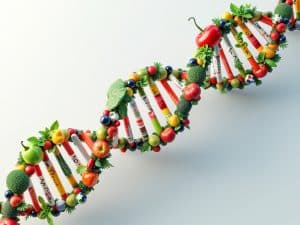
The integration of soil health into medical understanding represents a paradigm shift in how we approach nutrition and disease prevention. Emerging research in nutrigenomics – the study of how nutrients influence gene expression – demonstrates that the quality and complexity of our food directly affects cellular function and disease resistance. This connection between soil biology, food quality, and human health underscores the importance of maintaining robust agricultural ecosystems to support optimal nutrition and public health outcomes. Healthcare practitioners increasingly recognize that addressing nutritional deficiencies requires attention not just to dietary choices, but to the entire food production system, beginning with soil health.
Current Understanding
Soil health and plant nutrition exist in a complex biological partnership that directly influences human health outcomes. The soil microbiome, consisting of billions of microorganisms, forms the foundation of nutrient cycling and availability in agricultural systems. These microscopic organisms break down organic matter, transform minerals into bioavailable forms, and create symbiotic relationships with plant roots that enhance nutrient uptake. This biological activity in the soil determines not only the quantity but also the quality of nutrients available to growing plants, ultimately affecting the nutritional value of our food.
The relationship between soil health and plant phytochemical production represents a critical link in the nutrition chain. Plants grown in biologically active soils produce a more diverse and concentrated array of protective compounds, including polyphenols, flavonoids, and other antioxidants. These bioactive substances, which plants synthesize in response to environmental conditions and microbial interactions, serve dual purposes – protecting the plant while providing significant health benefits to humans who consume them. Research has shown that the same compounds that help plants adapt to environmental stresses also contribute to human health through anti-inflammatory, immune-modulating, and antioxidant properties.
Modern agricultural practices have fundamentally altered the traditional relationship between soil biology and plant nutrition. Intensive farming methods, relying heavily on synthetic fertilizers and pesticides, often bypass or disrupt natural nutrient cycling processes. While these practices have successfully increased crop yields, they have simultaneously led to decreased nutrient density in many foods. Studies comparing modern crops to their historical counterparts reveal concerning trends in mineral content and phytochemical diversity, suggesting that agricultural intensification may be contributing to subtle but significant nutritional deficiencies in the modern diet.
The concept of nutrient bioavailability adds another layer of complexity to the soil-food-health connection. Minerals and nutrients exist in various forms in the soil, but their ability to support human health depends largely on their chemical state and biological context. Soil microorganisms play a crucial role in converting nutrients into forms that can be effectively utilized by both plants and, ultimately, humans. This biological transformation process creates organic nutrient complexes that are more readily absorbed and metabolized by human cells than synthetic alternatives, highlighting the importance of maintaining healthy soil ecosystems for optimal nutrition.
Recent advances in nutrigenomics and metabolomics have begun to illuminate the sophisticated mechanisms through which soil health influences human health at the cellular level. The quality and complexity of nutrients derived from foods grown in healthy soils appear to influence gene expression and metabolic function in ways that synthetic nutrients cannot replicate. This emerging understanding suggests that the biological activity in soil creates unique nutrient profiles that support human health through multiple pathways, including immune function, inflammation regulation, and cellular repair mechanisms. These findings underscore the critical importance of preserving and restoring soil health as a fundamental component of both agricultural sustainability and public health strategies.
Traditional agricultural systems, with their emphasis on soil building and biological diversity, provide valuable insights into the relationships between soil health and human nutrition. These time-tested approaches, often dismissed as primitive or inefficient, maintained soil fertility through practices that promoted robust microbial communities and efficient nutrient cycling. Modern research is now validating many of these traditional methods, demonstrating their potential to produce foods with superior nutritional profiles while supporting environmental sustainability. This convergence of traditional wisdom and contemporary science offers promising directions for developing agricultural systems that can simultaneously support soil health, food quality, and human well-being.
Clinical Applications
In clinical practice, understanding the soil-food-health connection enables practitioners to make more informed recommendations about dietary choices and nutritional supplementation. When evaluating patients with nutritional deficiencies or chronic inflammatory conditions, clinicians should consider not just the types of foods consumed, but also their sourcing and production methods. For instance, recommending organically grown produce from farms practicing soil-building techniques may provide superior nutritional benefits compared to conventionally grown alternatives, particularly for patients with compromised immune function or inflammatory conditions.
Dietary counseling should incorporate knowledge about nutrient density and bioavailability when developing treatment plans. Practitioners can guide patients toward foods grown in healthy soil systems by recommending locally sourced, seasonal produce from farms using regenerative practices. This approach becomes particularly relevant when treating conditions such as autoimmune disorders, digestive issues, or metabolic syndromes, where optimal nutrient absorption and anti-inflammatory compounds play crucial roles in patient outcomes. Additionally, understanding the relationship between soil health and nutrient density helps explain why some patients may require higher food intake to achieve adequate nutrition despite consuming seemingly appropriate portions.
Implementation of these principles in clinical practice requires developing relationships with local food producers and understanding regional agricultural practices. Practitioners should maintain current knowledge about local farms using regenerative methods and be able to direct patients to sources of nutrient-dense foods. This might include providing patients with lists of farmers’ markets, community-supported agriculture programs, and retailers specializing in regeneratively produced foods. For patients with limited access to such resources, practitioners can recommend prioritizing certain foods known to retain higher nutrient levels even in conventional production systems.
Treatment protocols should consider the seasonal variability of nutrient density in foods and adjust recommendations accordingly. For example, suggesting seasonal eating patterns that align with natural growing cycles can optimize nutrient intake while supporting sustainable agricultural practices. When prescribing therapeutic diets or supplementation protocols, practitioners should account for the potential variations in nutrient density between conventionally and regeneratively produced foods, possibly adjusting serving sizes or supplementation levels based on food sourcing. This approach becomes particularly important when treating patients with specific nutritional needs or those requiring therapeutic dietary interventions.
The practical application of soil-food-health principles extends to laboratory testing and monitoring. When assessing nutritional status, practitioners should consider how food sourcing might impact biomarker levels and adjust reference ranges accordingly. This might involve more frequent monitoring of patients consuming predominantly conventional foods or adjusting treatment protocols based on food quality access. Furthermore, patient education should include information about how food choices impact both individual and environmental health, empowering patients to make informed decisions that support both their personal health goals and broader ecological sustainability.
Future Implications
The future implications of the soil-food-health connection suggest a transformative shift in both medical practice and agricultural systems over the next several decades. As our understanding of the microbiome-mediated relationships between soil health and human health deepens, we can anticipate the emergence of precision agriculture techniques that optimize not just crop yields, but also specific nutrient profiles and bioactive compound production. This may lead to the development of “prescription farming” practices, where agricultural methods are tailored to produce foods with enhanced therapeutic properties for treating specific health conditions.
Advanced monitoring technologies and artificial intelligence are likely to revolutionize our ability to track and optimize the relationship between soil conditions and nutritional outcomes. The integration of real-time soil sensors, metabolomic analysis, and machine learning algorithms could enable farmers and healthcare practitioners to predict and enhance the nutritional quality of foods based on soil conditions. This technological convergence may give rise to new specialties within both medicine and agriculture, focused on optimizing the biological pathways that connect soil health to human health outcomes. Furthermore, we may see the development of sophisticated tracking systems that allow consumers and healthcare providers to access detailed information about the growing conditions and nutritional profiles of their food.
The evolution of personalized nutrition is likely to increasingly incorporate soil health factors into therapeutic protocols. As research continues to unveil the complex interactions between soil microbiota, plant phytochemical production, and human health, medical practitioners may begin prescribing foods based not only on their basic nutritional content but also on the specific growing conditions and soil biological activity that influenced their development. This could lead to the establishment of new medical subspecialties focused on environmental nutrition and the development of treatment protocols that consider the entire soil-to-health continuum. Such developments may ultimately result in a more integrated healthcare system that recognizes and leverages the fundamental connections between environmental health and human wellbeing.
Practical Considerations
When implementing soil-health focused nutritional protocols in clinical practice, several practical considerations must be addressed. First, practitioners should develop a systematic approach to evaluating food sourcing and quality. This includes creating networks of reliable local farmers practicing regenerative agriculture, establishing relationships with food co-ops and specialty retailers, and maintaining updated lists of seasonal food availability. Regular communication with these sources helps ensure consistent access to high-quality foods for patients while also providing insights into growing conditions and farming practices that may affect nutrient density.
Common challenges in implementation include patient access, affordability, and compliance. To address these barriers, practitioners should develop tiered recommendations that accommodate different socioeconomic situations. This might include prioritizing certain nutrient-dense foods for limited budgets, providing guidance on home gardening, or connecting patients with community supported agriculture (CSA) programs that offer sliding-scale payment options. Additionally, creating educational materials that clearly explain the connection between soil health and nutritional benefits can improve patient compliance by helping them understand the value of choosing regeneratively produced foods.
Storage and preparation methods become crucial considerations when working with high-quality, nutrient-dense foods. Practitioners should provide specific guidance on optimal storage conditions, preparation techniques that preserve nutrient content, and methods for extending the shelf life of fresh produce. This might include recommendations for proper refrigeration temperatures, using appropriate storage containers, and understanding the impact of different cooking methods on nutrient availability. It’s also important to guide patients on seasonal preservation techniques such as fermentation or freezing to maintain access to nutrient-dense foods year-round.
Treatment monitoring and adjustment requires a flexible approach that accounts for seasonal variations and availability. Practitioners should establish baseline assessments that include both clinical markers and detailed dietary analysis, with regular follow-up evaluations to track progress and make necessary adjustments. This might involve more frequent monitoring during seasonal transitions or when making significant changes to food sourcing. Additionally, developing assessment tools that capture both quantitative measures (such as nutrient levels) and qualitative factors (like food quality and sourcing) helps create a more complete picture of nutritional status and treatment effectiveness.
Successful implementation also requires ongoing professional development to stay current with emerging research and practical applications. Practitioners should regularly update their knowledge of soil health principles, agricultural practices, and their impacts on human health outcomes. This includes understanding local growing conditions, seasonal patterns, and regional agricultural challenges that might affect food quality. Developing collaborative relationships with local agricultural experts, soil scientists, and other healthcare practitioners can create valuable knowledge-sharing networks that enhance treatment effectiveness and patient care outcomes.
Frequently Asked Questions
How does soil health directly affect the nutritional content of foods?
Soil health affects food nutrition through multiple pathways. The soil microbiome – consisting of billions of beneficial bacteria, fungi, and other organisms – helps convert nutrients into forms that plants can easily absorb. These microorganisms break down organic matter, create essential compounds, and form symbiotic relationships with plant roots that enhance nutrient uptake. When soil is healthy, plants can access a fuller spectrum of minerals and nutrients.
Additionally, plants grown in healthy soils produce higher levels of protective compounds called phytochemicals, which include antioxidants, polyphenols, and other beneficial substances. These compounds not only protect the plant but also provide significant health benefits when consumed by humans, including reduced inflammation and improved immune function.
What’s the difference between foods grown in healthy soil versus conventional farming methods?
Foods grown in healthy, biologically active soil typically contain higher concentrations of minerals, vitamins, and beneficial compounds compared to those grown through conventional farming methods. Studies have shown that produce from healthy soils can have up to 50% more antioxidants and significantly higher levels of key minerals like zinc and iron. The difference lies in the complex biological processes that occur in healthy soil, which create more bioavailable forms of nutrients.
Conventional farming methods, which often rely heavily on synthetic fertilizers, can bypass natural nutrient cycling processes and lead to reduced nutrient density in crops. While these methods may produce higher yields, the nutritional quality of the food may be compromised, contributing to what scientists call “hidden hunger” – adequate calories but suboptimal nutrient levels.
Why should healthcare practitioners care about agricultural practices?
Healthcare practitioners need to understand agricultural practices because they directly impact patient outcomes through food quality and nutrient density. When treating conditions related to nutrition, inflammation, or immune function, the source and quality of food can significantly affect treatment success. Understanding these connections allows practitioners to make more informed recommendations about dietary choices and nutritional supplementation.
Moreover, many chronic health conditions are influenced by the quality of nutrients in food, not just the quantity. By understanding how agricultural practices affect food quality, practitioners can better address root causes of nutrition-related health issues and develop more effective treatment strategies.
How can consumers ensure they’re getting nutrient-dense foods from healthy soils?
Consumers can take several steps to access foods grown in healthy soils. First, seek out local farmers who practice regenerative or organic agriculture methods. Visit farmers’ markets, join community-supported agriculture (CSA) programs, or research local farms that prioritize soil health. Look for certifications like organic, regenerative organic, or biodynamic, which often indicate better soil management practices.
Additionally, learning about seasonal eating patterns and choosing locally grown, in-season produce can help ensure better nutrient density. Growing some foods at home using organic methods can also provide access to nutrient-dense produce while developing a better understanding of soil health principles.
What role does soil health play in addressing chronic disease?
Soil health plays a crucial role in chronic disease prevention and management through its impact on food quality and nutrient density. Foods grown in healthy soils contain higher levels of anti-inflammatory compounds, antioxidants, and essential nutrients that help combat chronic conditions. The enhanced nutrient profiles and bioavailability of these foods can support better immune function, reduce inflammation, and improve overall metabolic health.
Research has shown that the complex array of compounds found in foods grown in healthy soils can influence gene expression and cellular function in ways that synthetic nutrients cannot replicate. This suggests that addressing soil health is an essential component of any comprehensive approach to preventing and treating chronic diseases through nutrition.
Closing
The intricate connections between soil health, agricultural practices, and human nutrition represent a critical frontier in both medicine and public health. As research continues to unveil the sophisticated mechanisms linking environmental health to human wellbeing, it becomes increasingly clear that addressing modern health challenges requires a systems-based approach that begins with soil biology. The evidence demonstrates that the quality of our food, and consequently our health, is inextricably linked to the biological vitality of the soils in which it is grown. This understanding demands a fundamental shift in how we approach both agriculture and healthcare, moving toward integrated systems that recognize and support these vital connections.
Looking ahead, the convergence of traditional agricultural wisdom with modern scientific understanding offers promising pathways for addressing contemporary health challenges. The development of regenerative agricultural practices, combined with advances in nutrigenomics and metabolomics, provides unprecedented opportunities to optimize food quality and human health outcomes. As healthcare practitioners increasingly recognize the importance of food quality in patient care, we can anticipate the emergence of more sophisticated approaches to nutritional therapy that consider the entire spectrum from soil health to human cellular function. This evolution in medical practice, supported by continued research and technological advancement, has the potential to revolutionize our approach to both prevention and treatment of chronic disease through nutrition-based interventions.
The path forward requires collaborative effort across disciplines, from soil scientists and farmers to healthcare providers and researchers. By understanding and supporting the fundamental connections between environmental and human health, we can work toward agricultural and medical systems that promote optimal nutrition and wellbeing for current and future generations. This holistic approach to health, rooted in the recognition of soil as the foundation of human nutrition, offers a promising framework for addressing the complex health challenges of our time while supporting the regeneration of our agricultural ecosystems.