


The Integration of Mind, Body, and Spirit: A Comprehensive Guide to Holistic Healing Practices
Introduction
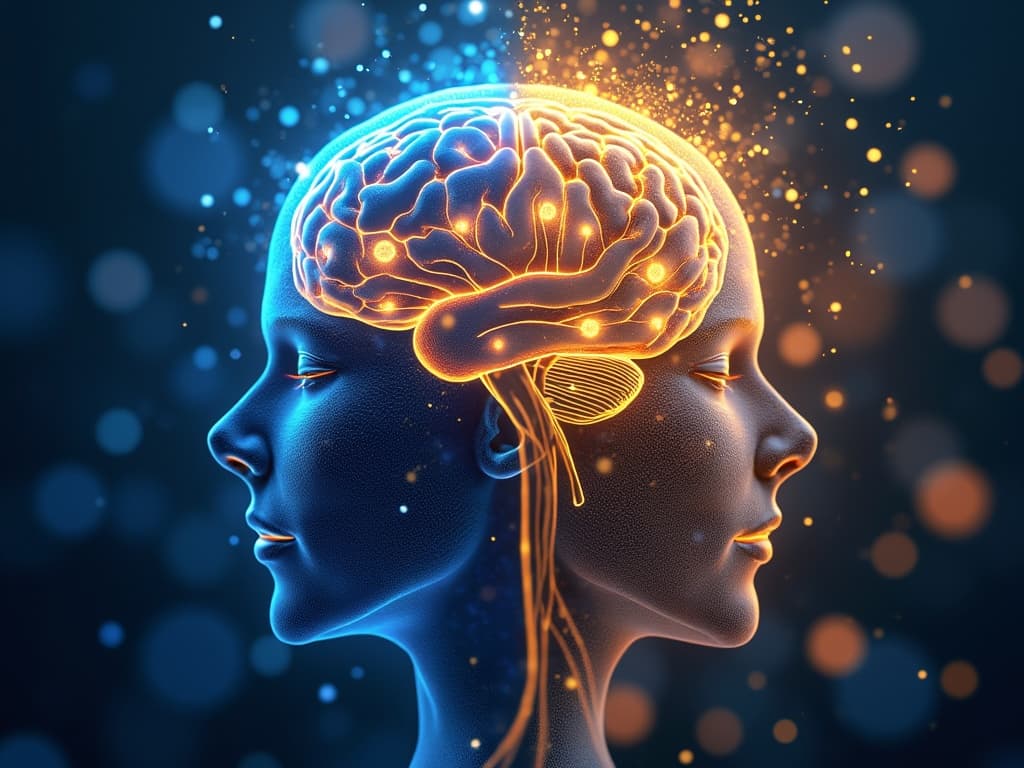
The integration of mind, body, and spirit in healing practices represents one of the most significant paradigm shifts in modern medicine. While traditional Western medicine has historically focused on treating isolated symptoms and specific bodily systems, emerging research in neuroscience, psychoneuroimmunology, and behavioral medicine demonstrates the intricate interconnectedness of mental, physical, and emotional well-being. This holistic approach to healing, which harmonizes contemporary medical knowledge with time-tested traditional practices, is revolutionizing our understanding of human health and recovery processes.
Recent advances in medical imaging and neurobiological research have provided compelling evidence for the bidirectional relationship between psychological states and physiological processes. Studies have shown that practices such as mindful breathing, meditation, and conscious movement can significantly impact everything from immune function to neural plasticity. The integration of these findings with traditional healing modalities has created a more comprehensive framework for addressing both acute conditions and chronic health challenges, leading to more effective and sustainable treatment outcomes.
As healthcare continues to evolve, practitioners and researchers are increasingly recognizing the vital importance of addressing healing through multiple dimensions simultaneously. This integrative approach encompasses various therapeutic modalities, from evidence-based breathwork and embodiment practices to conscious sexuality and community-based healing protocols. By examining these interconnected aspects of human health, we can better understand how to facilitate deep healing that addresses not just individual symptoms, but the root causes of physical and psychological distress within the context of the whole person.
The path to holistic healing requires a sophisticated understanding of how different healing modalities can work together synergistically. In this comprehensive exploration, we will examine the evolution of healing paradigms, the science behind various therapeutic approaches, and the practical applications of these integrated methods in modern healthcare settings. Special attention will be given to the role of consciousness, community support, and embodied practices in facilitating lasting transformation and healing.
Core Concepts in Holistic Healing Integration
The foundation of holistic healing rests on the principle of interconnectedness between physiological systems, psychological states, and environmental factors. At its core, this approach recognizes that the human body operates as an integrated network rather than isolated systems. Neurotransmitters, hormones, and immune system components communicate continuously across traditional anatomical boundaries, creating what researchers term the “psychoneuroimmunological network.” This network explains how emotional states can directly influence physical health outcomes, and why addressing mental well-being becomes crucial in treating physical ailments.
Central to the holistic healing paradigm is the concept of allostasis – the body’s ability to maintain stability through change. Unlike traditional homeostasis, which focuses on fixed biological setpoints, allostasis acknowledges the dynamic nature of human physiology and its capacity to adapt to stressors. This understanding has led to the development of adaptive healing protocols that work with the body’s natural regulatory mechanisms rather than against them. These protocols often integrate multiple therapeutic approaches, from conventional medical treatments to mindfulness practices, creating a more comprehensive healing strategy.
The role of neuroplasticity in healing represents another crucial concept in holistic medicine. This term refers to the brain’s ability to form new neural connections and reorganize existing ones throughout life. Recent research has demonstrated that therapeutic practices such as meditation, breathwork, and conscious movement can actively promote positive neuroplastic changes. These findings help explain why mind-body practices can lead to lasting improvements in both physical and mental health conditions, as they literally reshape the neural pathways involved in pain perception, emotional regulation, and bodily awareness.
Somatic experiencing, a key component of holistic healing, emphasizes the importance of body-based awareness in the healing process. This approach recognizes that trauma and chronic stress are stored not just in mental memories but in physical tissue patterns and nervous system responses. Through careful attention to bodily sensations and guided movement practices, individuals can release stored tension patterns and restore more balanced nervous system functioning. This concept has revolutionized trauma treatment and chronic pain management by addressing both the physical and psychological aspects of distress simultaneously.
The concept of vagal tone regulation has emerged as a critical factor in understanding the mind-body connection. The vagus nerve, often called the “wandering nerve,” serves as a primary communication pathway between the brain and major organ systems. Healthy vagal tone promotes better stress resilience, immune function, and emotional regulation. Therapeutic practices that target vagal tone improvement, such as specific breathing techniques and mindfulness exercises, have shown remarkable efficacy in treating conditions ranging from anxiety and depression to autoimmune disorders and chronic inflammation.
Integration of these concepts occurs through what researchers term “therapeutic coherence” – the synchronization of various healing modalities to create optimal treatment outcomes. This approach considers how different therapeutic interventions can work together synergistically, rather than in isolation. For example, combining traditional medical treatments with stress reduction techniques and community support has been shown to significantly improve recovery rates across a wide range of conditions. This integrated approach represents a more sophisticated understanding of healing that acknowledges the complex interplay between biological, psychological, and social factors in human health.
Current Understanding
The evolution of healing paradigms represents a fundamental shift in how we understand and approach human health and wellness. Modern medicine has begun to embrace a more nuanced and comprehensive view that acknowledges the intricate relationships between physical symptoms, emotional states, and spiritual well-being. This integration has been supported by advancing research in neuroscience and psychoneuroimmunology, which demonstrates how mental states and physical processes are inextricably linked through complex biochemical and neurological pathways.
At the foundation of holistic healing lies the concept of allostasis – the body’s dynamic ability to maintain stability through change. Unlike traditional homeostatic models that focus on fixed physiological setpoints, allostasis recognizes that optimal health requires constant adaptation and flexibility. This understanding has revolutionized treatment approaches, leading to the development of therapeutic protocols that work with the body’s natural regulatory mechanisms rather than attempting to force specific outcomes. These protocols often combine conventional medical treatments with complementary practices such as mindfulness, breathwork, and somatic experiencing.
The role of the nervous system in holistic healing has gained particular attention through research on vagal tone and autonomic regulation. The vagus nerve, serving as a primary communication pathway between brain and body, influences everything from heart rate and digestion to immune function and emotional regulation. Practices that enhance vagal tone, such as conscious breathing and meditation, have been shown to improve stress resilience and support overall health outcomes. This understanding has led to the development of targeted interventions that can effectively address both physical and psychological symptoms through nervous system regulation.
Neuroplasticity serves as another crucial concept in the holistic healing framework, highlighting the brain’s remarkable ability to reorganize and form new neural connections throughout life. This capacity for change extends beyond cognitive function to influence physical health, emotional regulation, and behavioral patterns. Research has demonstrated that therapeutic practices such as mindfulness meditation and somatic awareness exercises can promote positive neuroplastic changes, leading to lasting improvements in both mental and physical health conditions. These findings help explain why integrated healing approaches often achieve more sustainable results than treatments focused solely on symptom management.
The social and communal aspects of healing have emerged as essential components of holistic wellness, supported by research in social neuroscience and group dynamics. Studies have shown that supportive social connections and community engagement significantly influence health outcomes, affecting everything from immune function to recovery rates. This understanding has led to the development of community-based healing approaches that combine individual therapeutic work with group support systems, creating more comprehensive and effective treatment protocols. The integration of these social elements with traditional medical care represents a more complete approach to healing that acknowledges the fundamental interconnectedness of human health and social well-being.
Clinical Applications and Implementation Strategies
In clinical practice, the implementation of holistic healing principles requires a structured yet flexible approach that can be adapted to individual patient needs. Practitioners should begin with a comprehensive assessment that evaluates not only physical symptoms but also mental health status, social support systems, and lifestyle factors. This initial evaluation helps identify key areas for intervention and allows for the development of personalized treatment protocols that integrate various therapeutic modalities. For example, a patient presenting with chronic pain might receive a combination of conventional pain management, guided breathwork sessions, and mindfulness training, with each component carefully timed and coordinated to maximize therapeutic benefits.
The practical application of nervous system regulation techniques forms a cornerstone of holistic clinical care. Clinicians can introduce patients to specific breathing exercises that target vagal tone improvement, starting with simple techniques like diaphragmatic breathing and gradually progressing to more advanced practices. These exercises should be taught in-office and supported with clear take-home instructions, including specific duration, frequency, and progression guidelines. Monitoring tools such as heart rate variability measurements can provide objective feedback on the effectiveness of these interventions, allowing for precise adjustment of treatment protocols.
Implementation of somatic awareness practices requires careful attention to patient readiness and trauma history. Clinicians should establish a clear framework for introducing body-based interventions, beginning with simple awareness exercises and gradually incorporating more complex movement patterns. This might include guided body scanning exercises during sessions, followed by specific movement prescriptions for home practice. Documentation of patient responses and regular assessment of progress helps refine the approach and ensures appropriate pacing of interventions. For patients with significant trauma histories, coordination with mental health professionals becomes essential to maintain therapeutic safety and effectiveness.
Community-based healing elements can be integrated through structured group programs and peer support networks. Clinicians can develop condition-specific group sessions that combine educational components with practical skill-building exercises. These groups provide opportunities for shared learning and mutual support while allowing efficient delivery of core therapeutic concepts. The establishment of clear referral networks with complementary practitioners, mental health professionals, and community resources ensures comprehensive care delivery. Regular case conferences and treatment team meetings help maintain coordination and allow for rapid adjustment of treatment strategies based on patient response.
Integration of these various therapeutic elements requires careful attention to timing and sequencing. Practitioners should develop clear treatment algorithms that outline when and how to introduce different interventions based on patient progress and readiness. Regular monitoring of objective and subjective outcome measures helps guide treatment progression and ensures appropriate modification of approaches as needed. Documentation systems should be designed to track multiple intervention components while maintaining focus on overall treatment goals and progress indicators. This systematic approach to implementation helps translate theoretical understanding into practical, effective clinical care while maintaining the holistic perspective essential for optimal healing outcomes.
Future Implications
The future of holistic healing appears poised for significant advancement through the convergence of technology, neuroscience, and traditional healing practices. Emerging research in biomarker monitoring and real-time physiological feedback suggests we are approaching an era where precise measurement of mind-body interactions will become standard practice. This technological integration will likely enable practitioners to fine-tune therapeutic interventions with unprecedented accuracy, allowing for personalized healing protocols that adapt in real-time to individual patient responses. The development of sophisticated wearable devices and artificial intelligence systems could provide continuous monitoring of key health indicators, from heart rate variability to stress hormone levels, creating a more dynamic and responsive approach to holistic healing.
The growing understanding of the gut-brain axis and microbiome’s role in mental health points toward more sophisticated therapeutic approaches that will integrate nutritional science, psychological interventions, and traditional healing practices. Research trends suggest that future treatment protocols will likely incorporate targeted probiotic therapies, personalized dietary interventions, and stress-reduction techniques as standard components of mental health treatment. This integration may lead to the development of new therapeutic modalities that simultaneously address multiple aspects of health through carefully coordinated interventions. The emergence of psychobiotics – substances that affect mental health through gut-brain pathways – represents just one example of how this understanding might revolutionize treatment approaches.
Perhaps most significantly, advances in neuroplasticity research and consciousness studies are likely to transform our understanding of healing potential. Current developments in brain-computer interfaces and neurofeedback systems suggest we may soon have access to tools that can directly facilitate beneficial neuroplastic changes. This could lead to more effective treatments for conditions ranging from chronic pain to mental health disorders, with therapeutic protocols designed to promote specific patterns of neural reorganization. Additionally, the growing acceptance of psychedelic-assisted therapy and other consciousness-modifying approaches within mainstream medicine suggests a future where altered states of consciousness may be more systematically utilized for healing purposes, guided by precise neurobiological understanding and supported by advanced monitoring technologies.
These developments point toward a future where holistic healing becomes increasingly evidence-based while maintaining its fundamental appreciation for the interconnectedness of human health systems. The integration of advanced technology with traditional wisdom may create new therapeutic paradigms that bridge current gaps between conventional and alternative medicine, leading to more effective and comprehensive healing approaches. This evolution will likely require new training protocols for healthcare providers and the development of more sophisticated integrative healthcare delivery systems, ultimately resulting in a more nuanced and effective approach to human health and healing.
Practical Considerations for Implementation
The successful implementation of holistic healing protocols requires careful attention to several key factors that can significantly impact treatment outcomes. First, practitioners must establish clear assessment protocols that evaluate multiple dimensions of health while remaining efficient enough for practical clinical use. This can be accomplished by developing standardized intake forms that cover physical symptoms, psychological state, social support systems, and lifestyle factors, while incorporating validated screening tools for specific conditions. To manage time constraints, practitioners can implement a staged assessment process where initial screenings guide the depth and focus of subsequent evaluations.
Common challenges in implementation often center around patient compliance and the integration of multiple therapeutic modalities. To address these issues, practitioners should develop clear treatment hierarchies that prioritize interventions based on individual patient needs and capabilities. For instance, patients might begin with simple breathing exercises that can be easily incorporated into daily routines before progressing to more complex practices. Creating detailed patient handouts, utilizing mobile apps for tracking and guidance, and establishing regular check-in protocols can help maintain engagement and ensure proper technique. Additionally, breaking down complex protocols into manageable steps with clear progress markers helps prevent overwhelming patients while maintaining therapeutic momentum.
Resource allocation and scheduling present another significant challenge in holistic practice implementation. Many clinics struggle to balance the time-intensive nature of holistic assessments with practical business considerations. One effective solution involves developing tiered treatment programs that combine individual sessions with group classes and workshops. This approach allows for efficient delivery of core concepts while reserving one-on-one time for specific therapeutic needs. Implementing hybrid models that incorporate both in-person and virtual sessions can further optimize resource utilization while improving accessibility for patients. Integration of support staff training in basic therapeutic concepts can also help distribute the workload more effectively.
The coordination of multiple treatment modalities requires sophisticated scheduling and communication systems. Practitioners should establish clear protocols for information sharing between different providers while maintaining appropriate privacy boundaries. Electronic health records can be customized to track various therapeutic interventions and their outcomes, creating a comprehensive picture of patient progress. Regular case conferences, even if brief, help ensure all providers remain aligned with treatment goals and can adjust their approaches based on patient response. To address potential conflicts between different therapeutic approaches, establishing clear treatment hierarchies and communication channels becomes essential.
Insurance reimbursement and documentation requirements present ongoing challenges in holistic practice. Practitioners can address these issues by developing clear documentation templates that link therapeutic interventions to specific diagnostic codes and measurable outcomes. Maintaining detailed records of treatment rationales and progress markers helps justify therapeutic approaches to third-party payers. Additionally, establishing relationships with insurance providers and understanding their requirements for alternative therapy coverage can help optimize reimbursement rates. When insurance coverage is limited, developing flexible payment options and clearly communicating the value proposition of holistic treatment helps maintain practice viability while ensuring patient access to care.
Frequently Asked Questions
What makes holistic healing different from conventional medical treatment?
Holistic healing differs from conventional medicine by addressing the entire person – mind, body, and spirit – rather than focusing solely on specific symptoms or conditions. This approach recognizes that physical symptoms often have psychological, emotional, and social components that need to be addressed for true healing to occur. Research in psychoneuroimmunology has demonstrated that our mental states directly influence our physical health through complex biochemical pathways, supporting this integrated approach.
How long does it typically take to see results with holistic healing methods?
The timeline for seeing results varies significantly depending on the condition being treated and the individual’s circumstances. Some people may experience immediate benefits from practices like breathwork or meditation, while deeper healing of chronic conditions typically requires 3-6 months of consistent practice. The key is understanding that holistic healing works by supporting the body’s natural regulatory systems, which often requires time for neuroplastic changes and nervous system regulation to take effect.
Can holistic healing approaches be used alongside conventional medical treatments?
Yes, holistic healing approaches can and often should be integrated with conventional medical treatments. This integration, known as complementary medicine, can enhance overall treatment outcomes. For example, combining standard medical treatment with stress reduction techniques and mindfulness practices has been shown to improve recovery rates and reduce side effects in many conditions. It’s important to keep all healthcare providers informed about the various treatments being used to ensure safe and effective coordination.
What scientific evidence supports holistic healing methods?
There is growing scientific evidence supporting many holistic healing practices. Research in neuroscience has demonstrated how practices like meditation and breathwork can create positive changes in brain structure and function. Studies have shown that mindfulness practices can reduce inflammation, improve immune function, and enhance mental health outcomes. The field of psychoneuroimmunology has provided substantial evidence for the connection between psychological states and physical health, validating many traditional holistic approaches.
How do I know if a holistic healing practitioner is qualified?
Qualified holistic healing practitioners should have formal training and credentials in their specific modalities, along with a clear understanding of human anatomy, physiology, and therapeutic principles. Look for practitioners who hold relevant certifications from recognized institutions and who are willing to work collaboratively with other healthcare providers. Professional membership in established organizations and a clear explanation of their treatment approach are also important indicators of legitimacy.
What role does the mind-body connection play in holistic healing?
The mind-body connection is fundamental to holistic healing, as it represents the biological pathways through which thoughts and emotions influence physical health. This connection operates through the nervous system, particularly the vagus nerve, which regulates various bodily functions including immune response, inflammation, and stress reactions. Understanding this connection helps explain why practices that address mental and emotional well-being can lead to measurable improvements in physical health outcomes.
How can I integrate holistic healing practices into my daily life?
Integration of holistic healing practices can begin with simple daily routines such as mindful breathing exercises, basic meditation, or gentle movement practices. Start with 5-10 minutes of conscious breathing or meditation in the morning, and gradually increase duration and complexity as comfort grows. Regular practice of these techniques helps regulate the nervous system and builds a foundation for more advanced healing work. Keeping a journal to track your experiences and working with a qualified practitioner can help guide this integration process effectively.
Closing
The integration of holistic healing approaches with modern medical understanding represents a pivotal advancement in healthcare delivery. Through the convergence of traditional wisdom and cutting-edge research in neuroscience, psychoneuroimmunology, and behavioral medicine, we now possess a more sophisticated understanding of how mental, physical, and emotional aspects of health interweave to create overall wellbeing. This integration has demonstrated that addressing health challenges through multiple complementary approaches not only enhances treatment outcomes but also promotes more sustainable healing by addressing root causes rather than merely managing symptoms.
As we look toward the future, the field of holistic healing stands at the threshold of significant transformation. Emerging technologies in biofeedback, neuroimaging, and personalized medicine are providing unprecedented insights into the mechanisms of mind-body integration, while growing acceptance of alternative therapeutic modalities within mainstream healthcare is creating new opportunities for comprehensive treatment approaches. The continued evolution of this field will likely see the development of increasingly sophisticated protocols that combine traditional healing wisdom with modern medical advances, supported by objective measurement tools and evidence-based practices.
These developments signal a fundamental shift in how we approach human health and healing – one that honors the complexity of human experience while remaining grounded in scientific rigor. As practitioners and patients alike embrace this more nuanced understanding of wellness, the path forward becomes clear: the future of medicine lies not in choosing between conventional and holistic approaches, but in thoughtfully integrating diverse healing modalities to create comprehensive, personalized treatment protocols that address the full spectrum of human health needs. This integration holds the promise of more effective, sustainable, and deeply transformative healing outcomes for individuals and communities alike.