

The Gut-Health Connection: Modern Science Meets Traditional Wisdom in Longevity Nutrition
Introduction
The intricate relationship between diet, gut health, and human longevity has emerged as a central focus in modern medical research, revealing complexities that challenge traditional nutritional paradigms. Recent advances in microbiome science have demonstrated that the foods we consume not only provide sustenance but also fundamentally shape the microscopic ecosystem within our digestive tract. This delicate balance of microorganisms, now recognized as a critical factor in overall health, responds dynamically to dietary choices, environmental factors, and lifestyle patterns that have evolved dramatically over recent generations.
The contemporary understanding of nutrition has expanded far beyond simple macronutrient ratios to encompass the broader impact of food choices on inflammatory responses, immune function, and cellular communication. Emerging research has highlighted concerning trends in modern food production and processing methods, which may contribute to the rising prevalence of autoimmune conditions and digestive disorders. Traditional dietary wisdom, particularly from regions known for exceptional longevity, offers valuable insights into sustainable nutrition practices that promote both gut health and overall wellness, while raising important questions about the compatibility of ancient dietary patterns with modern food systems.
This comprehensive exploration delves into five interconnected aspects of nutrition and health: the fundamental role of the human microbiome, the therapeutic potential of fermented foods, the nuanced implications of animal product consumption, evidence-based analysis of Blue Zone dietary patterns, and the impact of modern food production on digestive health. By examining these topics through both historical and contemporary scientific lenses, we can better understand the complex interplay between diet, gut health, and longevity in the context of modern living. This investigation aims to bridge the gap between traditional wisdom and current research, offering practical insights for optimizing nutrition in an era of unprecedented dietary challenges.
Core Concepts
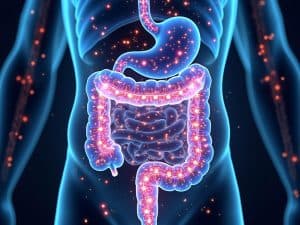
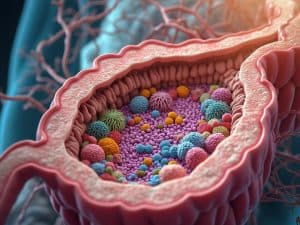
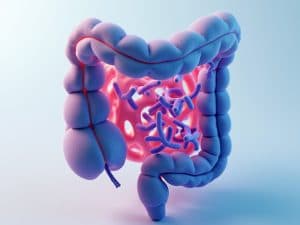
The foundation of human health begins with the intricate ecosystem of microorganisms residing in our digestive tract, collectively known as the gut microbiome. This complex community, comprising trillions of bacteria, fungi, and other microorganisms, performs essential functions far beyond simple food digestion. The microbiome produces vital nutrients, helps regulate immune function, and maintains the integrity of the intestinal barrier – a critical boundary that, when compromised, can lead to various inflammatory conditions. Understanding this ecosystem’s delicate balance is crucial, as disruptions can cascade into systemic health issues affecting everything from mental health to metabolic function.
The interaction between dietary components and gut bacteria creates a sophisticated communication network throughout the body. When we consume different foods, particularly those rich in fiber and complex carbohydrates, our gut bacteria ferment these substances to produce short-chain fatty acids (SCFAs). These compounds serve as messengers, influencing inflammation levels, appetite regulation, and even brain function. This bacterial metabolism explains why dietary choices have such far-reaching effects beyond basic nutrition, directly impacting our immune system’s function and our body’s inflammatory responses.
Traditional food preservation methods, particularly fermentation, have emerged as powerful tools for supporting gut health. During fermentation, beneficial bacteria transform food compounds, creating bioactive substances that can enhance nutrient absorption and support the gut barrier function. These processes generate natural probiotics and prebiotics, compounds that feed and support beneficial gut bacteria. The resulting metabolites can help repair damaged intestinal tissue and strengthen the gut’s protective mechanisms, demonstrating why traditionally fermented foods have been associated with improved health outcomes across various cultures.
The impact of modern food production methods on gut health presents significant challenges to maintaining optimal digestive function. Contemporary agricultural practices, including the use of pesticides and genetic modification, have altered the fundamental nature of many staple foods. These changes affect not only the nutrient content but also how these foods interact with our digestive system. For example, modern wheat varieties and processing methods have been linked to increased intestinal permeability, while industrial dairy production has resulted in proteins that many people find difficult to digest properly.
The study of Blue Zones – regions where people consistently live longer, healthier lives – provides valuable insights into sustainable dietary patterns that support gut health and longevity. These populations typically consume diets rich in plant-based foods, fermented products, and minimal processed ingredients. Their food choices naturally support microbiome diversity through high fiber intake and regular consumption of fermented foods. Importantly, these traditional dietary patterns evolved over generations in harmony with local food sources and preservation methods, suggesting that the benefits extend beyond individual nutrients to encompass the entire food ecosystem.
The connection between animal product consumption and gut health requires careful consideration of both quantity and quality. Recent research has identified specific compounds in animal products, such as Neu5Gc (N-glycolylneuraminic acid), that can trigger inflammatory responses in humans. However, the impact varies significantly based on the source and preparation method of these foods. Traditional preparation methods, including fermentation and slow cooking, can mitigate some negative effects while enhancing nutrient bioavailability. This understanding helps explain why some traditional cultures maintain good health despite regular consumption of animal products, while others thrive on predominantly plant-based diets.
Current Understanding
The human microbiome represents a vast and complex ecosystem within our digestive tract, hosting trillions of microorganisms that play crucial roles in health and disease. Recent research has revealed that this internal ecosystem functions as a dynamic network, where bacterial species cooperate and compete in ways that directly influence human health. The diversity of these microbial communities serves as a key indicator of gut health, with higher diversity generally associated with better health outcomes. This understanding has led to the recognition that maintaining a healthy microbiome requires not just supporting beneficial bacteria, but fostering an environment that enables proper microbial balance and communication.
Traditional fermented foods have emerged as powerful therapeutic tools for supporting gut health, offering natural sources of both probiotics and beneficial metabolites. These foods undergo controlled microbial transformation through processes like lactic acid fermentation, which not only preserves the food but also enhances its nutritional value. Traditional dairy products such as kefir and naturally fermented yogurt contain diverse bacterial strains that can help restore and maintain gut health. Additionally, plant-based fermented foods like kimchi, sauerkraut, and miso provide unique compounds that support the gut barrier function while delivering essential micronutrients in highly bioavailable forms.
The consumption of animal products presents a complex challenge in modern nutrition, particularly regarding the presence of Neu5Gc, a sialic acid found in most mammals but not produced by humans. This compound, abundant in red meat and dairy products, can trigger inflammatory responses in humans, potentially contributing to chronic disease development. However, the impact varies significantly based on the source and preparation method of animal products. Fish and certain traditional preservation methods offer alternatives that provide high-quality protein without the same inflammatory potential. Understanding these nuances helps explain why some populations thrive on different levels of animal product consumption.
The study of Blue Zones has provided valuable insights into sustainable dietary patterns that promote longevity, challenging some common assumptions about nutrition and health. These regions share common dietary characteristics, including high consumption of plant-based foods, moderate protein intake, and regular inclusion of fermented foods. However, careful analysis reveals that the benefits extend beyond just food choices to encompass broader lifestyle factors, including social connections and daily physical activity. Recent research has highlighted the importance of considering these dietary patterns within their cultural and environmental context, rather than attempting to isolate individual components.
Modern dietary patterns have introduced unprecedented challenges to gut health, particularly through changes in food production and processing methods. The widespread use of agricultural chemicals, such as glyphosate, has been shown to impact both the human microbiome and the nutrient content of foods. Additionally, changes in wheat processing and dairy production have led to increased reports of food sensitivities and digestive issues. Modern wheat varieties contain different protein compositions compared to their ancestral counterparts, while conventional dairy products often contain A1 beta-casein, which can be more challenging to digest than the A2 variant found in traditional dairy breeds. These changes in our food supply necessitate a more nuanced approach to dietary recommendations, considering both individual sensitivities and the quality of food sources.
The intricate relationship between diet and gut health continues to reveal new complexities, particularly regarding intestinal barrier function and bacterial communication networks. Research has shown that the gut barrier can begin repairing within days of dietary changes, but complete restoration may take months of consistent support. This healing process depends not only on removing inflammatory triggers but also on providing the necessary nutrients and compounds that support tissue repair and bacterial balance. Understanding these temporal aspects of gut health helps explain why dietary interventions may require sustained commitment before showing significant results.
Clinical Applications
In clinical practice, addressing gut health requires a systematic approach that begins with comprehensive patient assessment and strategic dietary modification. The initial evaluation should include detailed food journals, symptom tracking, and consideration of lifestyle factors that may impact the gut microbiome. Practitioners should pay particular attention to timing of symptoms, food combinations, and stress levels, as these factors significantly influence digestive function. A staged intervention approach typically starts with removing obvious inflammatory triggers while gradually introducing therapeutic foods, allowing for careful monitoring of patient response and adjustment of recommendations accordingly.
Implementation of microbiome-supporting protocols should follow a clear progression, starting with the introduction of easily tolerated fermented foods. Clinical experience suggests beginning with small amounts (1-2 teaspoons) of well-fermented vegetables like sauerkraut juice or water kefir, gradually increasing portions based on individual tolerance. For patients with significant gut dysfunction, practitioners should consider starting with fermented foods that have undergone longer fermentation periods, as these typically contain lower levels of histamine and other bioactive compounds that might trigger reactions in sensitive individuals. The progression to more complex fermented foods should align with improvements in digestive function and symptom reduction.
When addressing animal protein consumption in clinical settings, careful attention must be paid to both quantity and quality of protein sources. A practical approach involves implementing a rotation of protein sources while monitoring inflammatory markers and digestive symptoms. For patients with elevated inflammatory markers or autoimmune conditions, consider initially focusing on cold-water fish and traditional fermented protein sources while gradually testing tolerance to other animal products. Laboratory assessment of inflammatory markers and specific antibodies can help guide protein recommendations and track progress, particularly in cases involving suspected Neu5GC sensitivity.
Translating Blue Zone principles into practical recommendations requires careful consideration of patient context and lifestyle factors. Rather than attempting to replicate specific Blue Zone diets exactly, focus on implementing key principles that can be adapted to modern living. This might include structuring meals around plant-based foods, incorporating regular modest portions of fermented foods, and establishing consistent meal timing patterns. Importantly, practitioners should emphasize the gradual adoption of these principles, recognizing that sustainable dietary changes typically require 3-6 months of consistent support and guidance to become habitual.
Modern dietary challenges require specific clinical strategies to support optimal gut health. When addressing grain and dairy sensitivities, practitioners should implement structured elimination and reintroduction protocols, typically spanning 4-6 weeks for elimination followed by systematic reintroduction. This process should include careful documentation of symptoms and reactions, allowing for identification of specific triggers and tolerance thresholds. For patients with suspected chemical sensitivities, emphasis should be placed on sourcing high-quality, minimally processed foods while implementing targeted support for detoxification pathways and gut barrier repair. Regular monitoring of clinical markers, including digestive function, inflammation levels, and nutrient status, helps guide protocol adjustments and ensures optimal outcomes.
Future Implications
The future of gut health research and clinical applications appears poised for significant advancement through emerging technologies and deepening understanding of the microbiome-host relationship. Integration of artificial intelligence and machine learning with microbiome analysis is likely to reveal previously unknown patterns in bacterial populations and their metabolic outputs, enabling more precise dietary interventions. This technological progression may lead to the development of highly personalized nutrition protocols that account for individual microbiome compositions, genetic factors, and environmental influences, moving beyond the current one-size-fits-all approach to dietary recommendations.
The therapeutic application of fermented foods is likely to evolve significantly as research continues to uncover specific bacterial strains and fermentation metabolites that offer targeted health benefits. Advanced fermentation technologies may enable the development of next-generation functional foods that combine traditional fermentation wisdom with modern scientific understanding. These developments could lead to the creation of specialized fermented products designed to address specific health conditions through enhanced production of beneficial compounds such as specific short-chain fatty acids or bioactive peptides. Additionally, the emergence of precision fermentation techniques may allow for the cultivation of rare or historically significant bacterial strains that have been lost through modernization of food production.
The intersection of gut health and environmental sustainability is likely to become increasingly important, driving innovation in food production and processing methods. Future developments may include novel farming practices that optimize both nutrient density and ecological impact, potentially leading to the revival of heritage crop varieties with enhanced microbiome-supporting properties. The growing understanding of soil-microbiome-health connections suggests that agricultural practices may evolve to prioritize soil health as a key factor in human gut health, potentially revolutionizing current farming paradigms. This evolution could lead to the development of new food categories that bridge the gap between traditional wisdom and modern nutritional needs while addressing mounting environmental concerns.
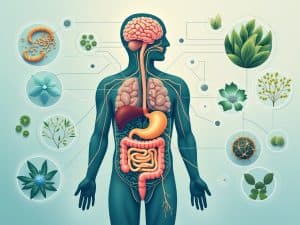
As our understanding of the gut-brain axis continues to expand, future therapeutic approaches are likely to increasingly target the microbiome as a pathway for addressing both physical and mental health conditions. Advanced diagnostic tools may enable real-time monitoring of gut barrier function and microbiome composition, allowing for more responsive and dynamic treatment protocols. This could lead to the development of targeted interventions that combine dietary modifications with specific bacterial strain supplementation and metabolite support, creating more effective and personalized treatment strategies for a range of health conditions. The integration of these advances with traditional dietary wisdom may result in a more comprehensive and nuanced approach to health optimization through gut-focused interventions.
Practical Considerations
Practical implementation of gut health optimization requires careful consideration of individual factors, timing, and systematic progression through dietary changes. The initial phase should focus on establishing a baseline through detailed food and symptom journaling for at least two weeks before making major modifications. This enables identification of clear patterns and potential triggers while providing a reference point for measuring improvements. Common challenges during this phase include incomplete recording and inconsistent timing – these can be addressed by using mobile apps or structured templates that prompt regular entries and specific details about meals, symptoms, and environmental factors.
Introducing therapeutic foods, particularly fermented products, requires a methodical approach to minimize potential adverse reactions and optimize benefits. Begin with small amounts (1/4 to 1 teaspoon) of well-tolerated options like sauerkraut juice or water kefir, consumed with meals. Gradually increase portions every 3-4 days while monitoring tolerance. A common pitfall is introducing too many new foods simultaneously, which can confound results and trigger overwhelming reactions. Instead, maintain a consistent baseline diet while introducing one new therapeutic food at a time, allowing at least one week between additions to clearly observe responses. Keep detailed notes on specific products, portions, and any reactions to guide progression.
Addressing modern dietary challenges while implementing traditional wisdom requires careful food sourcing and preparation strategies. When transitioning to cleaner food sources, prioritize changes based on both impact and practicality – focus first on foods consumed daily or those known to cause sensitivity. For example, if dairy is a regular part of the diet, start by switching to A2 milk products or traditionally fermented alternatives before addressing less frequently consumed items. Common obstacles include availability and cost – these can be mitigated through bulk purchasing, food co-ops, or community supported agriculture (CSA) memberships. Additionally, learning basic fermentation skills can help reduce costs while ensuring quality control over fermented foods.
Maintaining dietary changes long-term requires building sustainable habits and support systems. Create a realistic meal planning framework that accounts for work schedules, family preferences, and social obligations. Batch cooking and proper food storage can help manage time constraints, while keeping a rotation of easy-to-prepare meals prevents falling back on less optimal choices during busy periods. Social challenges often arise when implementing dietary changes – address these proactively by preparing responses to common situations, identifying supportive restaurants or meal options, and gradually building a network of like-minded individuals who share similar health goals. Remember that sustainable change typically requires 3-6 months of consistent practice before becoming habitual, so structure support systems to span this critical period.
Setting realistic expectations and benchmarks helps maintain motivation through the adaptation period. Establish clear markers for progress beyond just symptom improvement – these might include energy levels, sleep quality, stress resilience, and other quality-of-life indicators. Track these metrics regularly using consistent assessment tools or scales. Common challenges during the adaptation period include temporary symptom fluctuations and die-off reactions – these can be managed by adjusting the pace of changes and ensuring adequate hydration and rest. Remember that healing the gut barrier and establishing a healthy microbiome is a gradual process that may take several months, but improvements often begin appearing within the first few weeks of consistent implementation.
Frequently Asked Questions
How long does it typically take to see improvements in gut health after making dietary changes?
Initial improvements in gut health can begin within 24-48 hours of making positive dietary changes, particularly regarding digestive comfort and regularity. However, meaningful and lasting changes to the gut microbiome typically require 3-6 months of consistent dietary modifications.
Complete restoration of gut barrier function and establishment of a healthy microbial ecosystem is a gradual process that depends on factors such as current health status, stress levels, and adherence to dietary changes. Most people notice significant improvements in symptoms within 4-6 weeks of consistent dietary modifications, but the full benefits of microbiome restoration may continue to develop over 6-12 months.
Are all fermented foods equally beneficial for gut health?
Not all fermented foods offer the same benefits, as their impact depends on the specific strains of bacteria present and the fermentation process used. Traditional fermented foods like sauerkraut, kimchi, and naturally fermented yogurt typically offer the most diverse bacterial populations and highest therapeutic value, especially when unpasteurized and properly prepared.
Commercial fermented products may have limited benefits if they’ve been pasteurized or contain added preservatives that can inhibit beneficial bacteria. Additionally, some individuals may need to start with specific types of fermented foods based on their sensitivity levels and current gut health status, particularly regarding histamine content.
How does modern wheat differ from traditional varieties, and why might it cause problems?
Modern wheat varieties have been significantly altered through breeding programs to increase yield and disease resistance, resulting in higher gluten content and different protein compositions compared to heritage varieties. These changes, combined with modern processing methods, have created proteins that can be more challenging for many people to digest and may trigger inflammatory responses even in individuals without celiac disease.
Additionally, conventional farming practices often involve the use of glyphosate and other agricultural chemicals that can impact both the wheat’s nutrient content and our gut bacteria’s ability to process it properly. This combination of factors helps explain why many people who experience difficulties with modern wheat can often tolerate heritage varieties or traditionally prepared wheat products.
What role does Neu5Gc from animal products play in inflammation, and how can we minimize its impact?
Neu5Gc is a sialic acid found in most mammalian meat products that humans cannot produce naturally. When consumed, it can trigger an immune response and chronic inflammation in some individuals. The impact varies based on individual sensitivity and the type and preparation method of animal products consumed.
To minimize Neu5Gc exposure while maintaining adequate protein intake, consider focusing on fish and poultry, which contain lower levels of Neu5Gc, or using traditional preparation methods like fermentation that may help reduce its inflammatory effects. Some people may also benefit from cycling their protein sources and incorporating more plant-based protein options into their diet.
How can we apply Blue Zone dietary principles in a modern context?
Blue Zone dietary principles can be adapted to modern life by focusing on their core elements rather than trying to replicate specific regional diets exactly. Key strategies include building meals around plant-based foods, incorporating modest portions of fermented foods daily, and maintaining consistent meal timing patterns that allow for natural fasting periods.
The most successful modern adaptations of Blue Zone principles typically involve gradual changes to both diet and lifestyle factors. This might include starting with one plant-based meal per day, learning to prepare simple fermented foods at home, and establishing regular meal times that work with your schedule. Remember that Blue Zone benefits come from the combination of dietary choices, social connections, and regular physical activity, so consider implementing changes in all these areas progressively.
Closing
The intricate relationship between diet, gut health, and longevity represents a critical frontier in our understanding of human health optimization. Through examining the complex interplay of the microbiome, traditional food preparation methods, and modern dietary challenges, we have uncovered both the fundamental importance of gut health and the sophisticated mechanisms through which dietary choices influence our overall wellbeing. The evidence clearly demonstrates that while the path to optimal gut health requires careful consideration of individual factors and systematic implementation of dietary changes, the benefits extend far beyond digestive function to impact immune regulation, mental health, and cellular aging processes.
The integration of traditional wisdom with modern scientific understanding offers a promising framework for addressing contemporary health challenges. As we continue to uncover the mechanisms behind the therapeutic effects of fermented foods, the impact of protein choices on inflammation, and the significance of traditional dietary patterns, we can develop more effective strategies for supporting gut health in the modern context. The emerging research suggests that future advances in microbiome science and precision nutrition will likely enable increasingly personalized approaches to dietary optimization, while the growing appreciation for traditional food preparation methods may help guide the evolution of sustainable food production practices.
Looking ahead, the field of gut health appears poised for significant advances that could revolutionize our approach to both prevention and treatment of chronic disease. The continuing development of advanced diagnostic tools, combined with deeper understanding of the microbiome-host relationship, may soon enable more precise and personalized dietary interventions. However, the fundamental principles revealed through this investigation – the importance of dietary diversity, the value of traditional food preparation methods, and the need for individualized approaches to nutrition – will likely remain essential guides for optimizing health through dietary choices. As we move forward, the challenge lies not just in advancing our scientific understanding, but in successfully translating these insights into practical, sustainable dietary practices that can effectively support gut health in our modern world.