


The Integration of Traditional Healing and Modern Medicine: A Comprehensive Guide to Holistic Wellness
Introduction
Throughout human history, healing practices have evolved from intuitive folk remedies to sophisticated medical interventions, yet the fundamental goal remains unchanged: to restore and maintain optimal health. The ancient wisdom of traditional healing systems, developed over thousands of years of careful observation and practical application, offers insights that complement modern scientific understanding. As healthcare continues to advance, a growing body of evidence supports the integration of these time-tested approaches with contemporary medical practices, creating a more comprehensive framework for treating the whole person rather than just managing isolated symptoms.
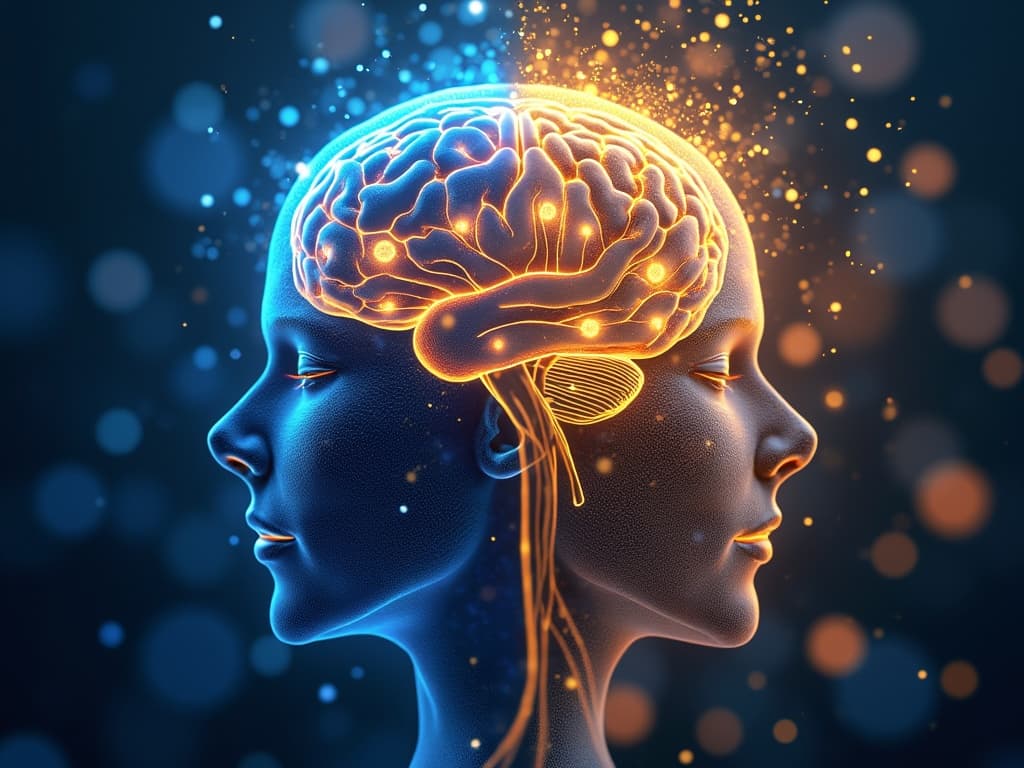
The emergence of integrative medicine represents a significant paradigm shift in healthcare delivery, combining the precision of modern medical science with the holistic principles of traditional healing systems. This approach has gained particular relevance in addressing chronic conditions, stress-related disorders, and complex health challenges that often require multilayered therapeutic strategies. Recent research indicates that approximately 40% of Americans now use some form of complementary or alternative medicine alongside conventional treatments, highlighting the growing recognition of integrative approaches in maintaining health and managing disease.
The synthesis of traditional wisdom and modern medical knowledge offers unprecedented opportunities for understanding and treating human health conditions. Traditional Chinese Medicine (TCM), with its sophisticated understanding of energy systems and organ relationships, provides valuable insights into maintaining balance and preventing disease. When combined with functional medicine’s evidence-based approaches and modern diagnostic tools, these ancient practices create powerful therapeutic protocols that address both immediate symptoms and underlying causes. This comprehensive guide explores the fundamental principles of integrative medicine, from TCM’s Five Elements Theory to practical applications in treating specific conditions, while emphasizing the importance of personalized treatment strategies that consider each individual’s unique constitutional makeup and healing needs.
Traditional and modern healing approaches need not stand in opposition; rather, they can work synergistically to provide better patient outcomes. This integration represents a future where the best of both worlds combines to create more effective, personalized treatment protocols. Through detailed examination of traditional healing systems, natural treatment protocols, and holistic wellness implementation strategies, we will explore how these diverse approaches can be effectively combined to address contemporary health challenges while honoring the wisdom of traditional healing arts.
Core Concepts
At the core of integrative medicine lies the fundamental principle of interconnectedness – the understanding that human health represents a complex interplay of physical, emotional, and environmental factors. This perspective draws from both ancient wisdom traditions and modern scientific research, recognizing that optimal healing occurs when all aspects of human health are addressed simultaneously. The concept of interconnectedness extends beyond simple cause-and-effect relationships, encompassing the intricate network of biological systems, emotional states, and environmental influences that collectively determine our state of wellbeing.
Traditional Chinese Medicine provides a sophisticated framework for understanding these interconnections through its Five Elements Theory (Wu Xing), which describes how different aspects of health relate to one another. Each element – Wood, Fire, Earth, Metal, and Water – corresponds to specific organ systems, emotional states, and physiological functions. For instance, the Wood element relates to the liver and gallbladder organs, influences vision and tendons, and connects to emotions like anger and assertiveness. This systematic approach helps practitioners understand how imbalances in one area can create cascading effects throughout the body’s systems.
The concept of functional medicine builds upon these traditional insights by incorporating modern scientific understanding of biochemistry and systems biology. This approach examines the root causes of disease by analyzing the complex relationships between genetic predisposition, environmental factors, and lifestyle choices. Functional medicine practitioners utilize advanced diagnostic testing alongside traditional assessment methods to create comprehensive treatment protocols that address both immediate symptoms and underlying imbalances. This integration of ancient wisdom and modern science allows for more precise and effective therapeutic interventions.
Energy medicine, a key component of many traditional healing systems, has found validation through contemporary research into bioelectromagnetic fields and cellular communication. The traditional concept of Qi (vital energy) in Chinese medicine corresponds to modern understanding of cellular ATP production, electromagnetic field generation, and nervous system function. Research has demonstrated that practices like acupuncture, which work with these energy systems, can produce measurable changes in neurological activity, inflammatory markers, and hormone levels, providing a scientific basis for traditional energy-based treatments.
Holistic healing approaches emphasize the importance of treating the whole person rather than isolated symptoms, incorporating multiple therapeutic modalities to achieve optimal results. This might include combining herbal medicine with nutritional therapy, integrating mind-body practices like meditation with physical treatments, and addressing environmental factors that influence health. The effectiveness of this approach is supported by research showing that comprehensive lifestyle interventions can significantly impact chronic disease outcomes, often producing better results than single-modality treatments.
The principle of bioindividuality, recognized in both traditional and modern healing systems, acknowledges that each person responds differently to therapeutic interventions based on their unique genetic makeup, environmental exposures, and constitutional type. This understanding has led to the development of personalized medicine protocols that take into account individual variations in metabolism, immune function, and stress response patterns. By combining traditional constitutional assessment methods with modern genetic testing and biomarker analysis, practitioners can create highly targeted treatment plans that optimize outcomes for each individual patient.
Current Understanding
The integration of traditional healing systems with modern medicine represents a significant evolution in healthcare, bridging millennia-old wisdom with contemporary scientific understanding. This synthesis has become increasingly relevant as healthcare practitioners and researchers recognize the limitations of purely reductionist approaches to treating complex health conditions. Traditional healing systems, particularly Traditional Chinese Medicine (TCM), offer comprehensive frameworks for understanding the interconnections between various aspects of human health, while modern medicine provides the tools and methodologies to validate and refine these ancient practices.
Traditional Chinese Medicine’s fundamental principles illuminate the sophisticated understanding our ancestors developed regarding the body’s intricate systems of balance and regulation. The concept of Qi, often described as vital energy, finds parallel understanding in modern biology’s description of cellular energy production and bioelectric fields. Similarly, the TCM understanding of organ systems extends beyond physical structures to encompass functional relationships and emotional components, offering insights into psychosomatic connections that modern neuroscience is only beginning to fully appreciate. This holistic perspective provides valuable frameworks for understanding complex chronic conditions that often elude single-cause explanations.
The emergence of functional medicine has created a natural bridge between traditional healing wisdom and modern scientific methodology. By focusing on identifying root causes rather than merely managing symptoms, functional medicine practitioners employ advanced diagnostic testing alongside traditional assessment methods to create comprehensive treatment protocols. This approach recognizes that health conditions often result from complex interactions between genetic predisposition, environmental factors, lifestyle choices, and emotional well-being. The integration of traditional healing principles with modern diagnostic tools allows practitioners to develop more effective, personalized treatment strategies.
Natural treatment protocols, derived from traditional healing systems and validated through modern research, have demonstrated particular efficacy in addressing chronic conditions such as autoimmune disorders, hormonal imbalances, and stress-related ailments. These protocols typically combine multiple therapeutic approaches, including herbal medicine, nutritional therapy, acupuncture, and lifestyle modifications. The synergistic effects of these combined interventions often produce better outcomes than single-modality treatments, particularly in cases where conventional approaches alone have proved insufficient. Recent research has begun to elucidate the biochemical mechanisms behind many traditional remedies, providing scientific validation for their continued use in modern healthcare settings.
The implementation of holistic wellness strategies requires careful consideration of individual constitutional differences, environmental factors, and lifestyle patterns. Modern practitioners of integrative medicine recognize that successful treatment outcomes depend on creating personalized protocols that account for each patient’s unique biochemical makeup, lifestyle constraints, and healing capacity. This individualized approach, combining insights from traditional healing systems with modern diagnostic tools, enables practitioners to develop more effective treatment strategies that address both immediate symptoms and underlying imbalances. The result is a more comprehensive and sustainable approach to health maintenance and disease prevention that honors both ancient wisdom and modern scientific understanding.
Clinical Applications
In clinical practice, the integration of traditional healing systems with modern medicine requires a structured approach that begins with comprehensive patient assessment. Practitioners should utilize both conventional medical history taking and traditional diagnostic methods such as tongue and pulse diagnosis, constitutional assessment, and detailed lifestyle evaluation. This dual approach allows for the identification of both immediate health concerns and underlying patterns of imbalance. Laboratory testing can be strategically employed to confirm traditional diagnoses and track treatment progress, particularly in cases involving complex chronic conditions or multiple presenting symptoms.
The implementation of integrative protocols typically follows a staged approach, beginning with foundational interventions that address basic physiological needs and gradually incorporating more specialized treatments. For example, when treating autoimmune conditions, practitioners might start with gut health optimization and anti-inflammatory dietary modifications before introducing specific herbal formulations or acupuncture protocols. This stepped approach allows for better monitoring of treatment responses and helps identify which interventions provide the most significant benefits for individual patients. Regular assessment intervals should be established to evaluate progress and adjust treatment strategies as needed.
Practical application of Traditional Chinese Medicine principles requires careful consideration of timing and sequencing. For instance, when addressing hormonal imbalances, treatments should be aligned with the patient’s natural circadian rhythms and, in women, with menstrual cycle phases. Herbal formulations may need to be modified based on seasonal changes and the patient’s constitutional type. Practitioners should develop systematic approaches for incorporating these traditional concepts into modern clinical settings, including standardized assessment tools and treatment protocols that can be consistently applied while maintaining flexibility for individual patient needs.
The successful integration of holistic wellness strategies depends heavily on patient education and compliance. Practitioners should develop clear communication systems for explaining complex traditional concepts in accessible terms, supported by modern scientific evidence where available. Treatment plans should include detailed written protocols, lifestyle modification guidelines, and specific benchmarks for measuring progress. Regular follow-up appointments allow for ongoing adjustment of treatments and provide opportunities to address any challenges with protocol implementation. Establishing realistic expectations and timelines for improvement helps maintain patient engagement and optimize treatment outcomes.
To ensure effective clinical outcomes, practitioners should maintain detailed documentation systems that track both traditional diagnostic findings and conventional medical metrics. This integrated approach to patient monitoring allows for better evaluation of treatment efficacy and provides valuable data for refining clinical protocols. Regular review of case outcomes helps identify patterns of response to specific interventions and supports the development of more effective treatment strategies. Additionally, maintaining strong professional networks with other healthcare providers facilitates coordinated care approaches and allows for appropriate referrals when needed.
Future Implications
The future of integrative medicine appears poised for significant advancement, driven by emerging technologies and deepening scientific understanding of traditional healing mechanisms. Advanced imaging techniques and biomonitoring devices are already beginning to validate ancient concepts like meridian systems and energy flows, while artificial intelligence algorithms are helping to map complex relationships between traditional diagnoses and modern biomarkers. As these technologies continue to evolve, we can expect more precise integration of traditional healing wisdom with contemporary medical practices, leading to more effective and personalized treatment protocols.
The rise of precision medicine, coupled with advances in genomics and metabolomics, is likely to provide new insights into why traditional healing practices work differently for different individuals. Research is increasingly demonstrating that genetic variations influence how people respond to both pharmaceuticals and natural remedies, suggesting a future where traditional constitutional types might be correlated with specific genetic profiles. This could lead to more precise prescribing of both conventional and traditional treatments, with artificial intelligence systems helping practitioners predict which combinations of therapies will be most effective for each individual patient.
Environmental challenges and the growing burden of chronic disease will likely accelerate the adoption of integrative approaches. Traditional healing systems, with their emphasis on prevention and whole-person wellness, are particularly well-suited to addressing the complex health impacts of environmental toxins, chronic stress, and lifestyle-related disorders. Future developments may include the creation of standardized protocols that combine traditional wisdom with modern interventions, specifically designed to address emerging health challenges. Additionally, the integration of digital health technologies with traditional healing practices could lead to new hybrid treatment models that make personalized integrative care more accessible to broader populations.
Telemedicine platforms incorporating traditional diagnostic methods, wearable devices measuring traditional health markers, and AI-powered analysis of constitutional types represent just some of the innovations we might expect to see in the coming decades. These developments, combined with growing scientific validation of traditional healing principles, suggest a future where the barriers between conventional and traditional medicine continue to dissolve, creating a truly integrated healthcare system that leverages the best of both approaches to optimize human health and wellness.
Practical Considerations
The successful implementation of integrative medicine protocols requires careful attention to several practical considerations that can significantly impact treatment outcomes. One of the primary challenges practitioners face is determining the appropriate sequencing and timing of various therapeutic interventions. For optimal results, begin with foundational treatments that address basic physiological needs – such as digestive health and stress management – before introducing more specialized protocols. This stepped approach allows for better monitoring of treatment responses and helps identify which interventions provide the most significant benefits for individual patients.
A common obstacle in integrative medicine practice is maintaining patient compliance with complex treatment protocols that may include dietary modifications, herbal supplements, acupuncture sessions, and lifestyle changes. To address this challenge, develop clear, written treatment plans that break down interventions into manageable steps. Utilize modern technology such as mobile apps or reminder systems to help patients stay on track with their protocols. Additionally, establish regular check-in points to address any difficulties patients may be experiencing with their treatment plan and make necessary adjustments to ensure long-term adherence.
Integration of Traditional Chinese Medicine principles with modern medical practices requires systematic documentation and assessment methods. Create standardized forms that capture both traditional diagnostic findings (such as tongue and pulse observations) and conventional medical metrics. This dual documentation approach helps track progress effectively and provides valuable data for refining treatment protocols. Consider implementing a scoring system that incorporates both subjective improvements and objective measurements to provide a comprehensive view of treatment effectiveness. Regular review of these records helps identify patterns in treatment responses and supports evidence-based refinement of clinical protocols.
Managing potential interactions between conventional medications and natural treatments presents another significant challenge in integrative medicine practice. Develop a comprehensive database of known interactions between commonly prescribed medications and natural remedies, and establish clear protocols for communicating with patients’ other healthcare providers. When introducing new treatments, start with lower doses and gradually increase while monitoring for any adverse reactions. This cautious approach, combined with regular patient monitoring and open communication channels with other healthcare providers, helps ensure safe and effective integration of various therapeutic approaches while maintaining the holistic principles that underpin traditional healing systems.
The financial aspects of integrative medicine treatments must also be carefully considered, as many natural therapies and alternative treatments may not be covered by conventional insurance plans. Work with patients to develop treatment plans that balance optimal therapeutic approaches with practical financial considerations. Consider offering package pricing for commonly combined services, and maintain relationships with quality supplement suppliers who can provide cost-effective options for patients. Additionally, educate patients about the long-term value of preventive and holistic care approaches, helping them understand how initial investments in comprehensive treatment protocols can lead to better health outcomes and reduced healthcare costs over time.
Frequently Asked Questions
What is integrative medicine and how does it differ from conventional medicine?
Integrative medicine combines traditional healing practices with modern medical approaches, creating a comprehensive system that addresses both symptoms and underlying causes of illness. Unlike conventional medicine, which typically focuses on treating specific symptoms or diseases, integrative medicine considers the whole person – including physical, emotional, mental, and environmental factors that influence health.
This approach incorporates evidence-based traditional practices like Traditional Chinese Medicine and herbal therapies alongside conventional medical treatments, creating personalized treatment protocols that draw from both ancient wisdom and modern scientific understanding. The goal is to promote optimal health and healing by addressing all aspects of a person’s well-being, rather than simply managing individual symptoms.
How does Traditional Chinese Medicine work within an integrative medicine framework?
Traditional Chinese Medicine (TCM) contributes to integrative medicine through its sophisticated understanding of body systems and energy relationships, particularly through concepts like the Five Elements Theory and meridian systems. These traditional frameworks help practitioners identify patterns of imbalance that might not be immediately apparent through conventional diagnostic methods, allowing for more comprehensive treatment approaches.
Within integrative medicine, TCM principles are often validated and enhanced by modern scientific research, creating protocols that combine ancient wisdom with contemporary medical knowledge. For example, acupuncture points are now known to correspond with areas of high neural density, and traditional herbal formulations are being studied for their biochemical properties and mechanisms of action.
What scientific evidence supports the effectiveness of integrative medicine approaches?
Research increasingly validates many traditional healing practices through modern scientific methods. Clinical studies have demonstrated the effectiveness of acupuncture for pain management, herbal medicines for various chronic conditions, and mind-body practices for stress-related disorders. These findings are documented in peer-reviewed medical journals and supported by research from major medical institutions.
The evidence base continues to grow as more sophisticated research methods allow for better understanding of traditional healing mechanisms. For example, studies using functional MRI have shown how acupuncture affects brain activity, while biochemical analysis has revealed the active compounds in traditional herbal remedies and their effects on cellular function.
How do I know if integrative medicine is right for my condition?
Integrative medicine can be particularly effective for chronic conditions, stress-related disorders, hormonal imbalances, and autoimmune conditions that may not respond completely to conventional treatments alone. The best way to determine if this approach is suitable for your situation is to consult with a qualified integrative medicine practitioner who can evaluate your specific condition, medical history, and treatment goals.
These practitioners will typically perform comprehensive assessments using both traditional and modern diagnostic methods to develop a personalized treatment plan. They will also consider factors such as your lifestyle, stress levels, dietary habits, and environmental exposures that might be contributing to your health concerns.
What should I expect during an integrative medicine consultation?
An integrative medicine consultation typically begins with a detailed health history that covers not only your current symptoms and medical conditions but also your lifestyle, emotional well-being, and environmental factors. The practitioner will often perform both conventional medical assessments and traditional diagnostic techniques, such as tongue and pulse diagnosis in TCM.
Following the assessment, you’ll receive a comprehensive treatment plan that may include various therapeutic approaches, such as dietary modifications, herbal medicines, acupuncture, stress management techniques, and lifestyle recommendations. The practitioner will explain how these different elements work together and provide clear instructions for implementing the protocol, including any potential interactions with current medications or treatments.
Closing
The integration of traditional healing wisdom with modern medical science represents a pivotal evolution in healthcare delivery, offering comprehensive solutions for today’s complex health challenges. Through the thoughtful combination of ancient practices like Traditional Chinese Medicine with contemporary scientific understanding, practitioners can develop more effective and personalized treatment protocols that address both immediate symptoms and underlying causes of disease. This synthesis creates a more complete healing paradigm that honors the sophisticated insights of traditional medical systems while leveraging the precision and technological advances of modern medicine.
As we look to the future, the field of integrative medicine stands poised for significant advancement through emerging technologies and deepening scientific validation of traditional practices. Artificial intelligence, genomic medicine, and advanced diagnostic tools will likely enhance our ability to personalize treatment protocols and predict therapeutic outcomes, while growing environmental and lifestyle-related health challenges will continue to demonstrate the value of holistic, preventive approaches to wellness. The integration of digital health technologies with traditional healing practices promises to make these comprehensive treatment approaches more accessible and effective for broader populations.
The success of integrative medicine ultimately rests on its ability to bridge the best aspects of both traditional and modern healing paradigms, creating a more complete and nuanced approach to human health. As research continues to validate traditional practices and new technologies emerge to enhance their application, we can anticipate a healthcare future where the artificial divisions between conventional and alternative medicine dissolve, replaced by a truly integrated system that leverages all available tools and knowledge to optimize human health and wellness. This evolution represents not just a change in medical practice, but a fundamental shift toward a more comprehensive understanding of human health and healing.