


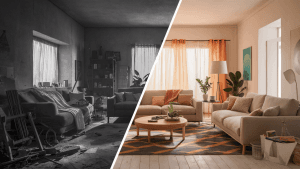
The Psychology of Interior Design: How Your Home Affects Your Health and Happiness
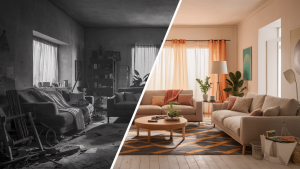
The environments we inhabit have a profound impact on our physical and mental health. From the layout and lighting to the textures and scents, every element of our living spaces can influence our mood, sleep, and overall well-being. By understanding the principles of interior design and making intentional choices about our surroundings, we can create homes that promote relaxation, rejuvenation, and happiness.
The Psychology of Clutter
One of the most significant ways our living spaces affect us is through the presence of clutter. A disorganized, cluttered environment can lead to feelings of stress, anxiety, and overwhelm. When we’re constantly surrounded by visual reminders of unfinished tasks or excess possessions, it can be challenging to fully relax and unwind.
Research has shown that clutter can negatively impact our ability to focus and process information. A study conducted by the Princeton University Neuroscience Institute found that visual clutter competes for our attention, leading to decreased performance and increased stress levels.
In addition to its cognitive effects, clutter can also have physical consequences. A cluttered bedroom, for example, can disrupt sleep quality. When we’re trying to rest in a space that feels chaotic or overwhelming, it can be difficult to achieve the deep, restorative sleep our bodies need.
Creating a Calming Bedroom Sanctuary
Given the importance of sleep for our overall health and well-being, creating a peaceful bedroom environment should be a top priority. One key aspect of a calming bedroom is organization. By keeping the space tidy and free of clutter, we can reduce visual distractions and promote a sense of tranquility.
Another essential element is lighting. Exposure to bright, artificial light in the evening can disrupt our natural circadian rhythms, making it harder to fall asleep. Dimming the lights a few hours before bedtime sends a signal to our bodies that it’s time to wind down. Investing in warm, adjustable lighting and avoiding screens before bed can make a significant difference in sleep quality.
Incorporating natural elements, such as plants or a view of nature, can also have a calming effect in the bedroom. Studies have shown that exposure to nature can reduce stress levels and promote relaxation. Even if you don’t have a view of the outdoors, adding a few potted plants or nature-inspired artwork can bring a sense of tranquility to the space.
The Power of Scent
Our sense of smell is closely tied to our emotions and memories. Certain scents can evoke feelings of comfort, happiness, or relaxation, while others may trigger negative associations. By consciously choosing fragrances for our living spaces, we can create an atmosphere that promotes well-being.
Some scents that are known for their calming properties include lavender, vanilla, and chamomile. These fragrances have been shown to reduce anxiety and promote relaxation, making them ideal for bedrooms or other spaces where we want to unwind.
It’s important to note, however, that not all fragrances are created equal. Many conventional air fresheners and scented candles contain synthetic chemicals that can be harmful to our health. When selecting scents for your home, opt for natural essential oils or products made with non-toxic ingredients.
The Benefits of Natural Light
Access to natural light is another crucial factor in creating a healthy living environment. Exposure to sunlight helps regulate our circadian rhythms, improves mood, and boosts vitamin D production.
A study published in the Journal of Clinical Sleep Medicine found that employees with windows in their offices slept an average of 46 minutes more per night compared to those without windows. This suggests that access to natural light during the day can have a significant impact on sleep quality.
When designing your living spaces, try to maximize natural light wherever possible. This might involve rearranging furniture to avoid blocking windows, using light-colored or translucent window treatments, and adding reflective surfaces like mirrors to bounce light around the room.
Choosing Colors that Uplift and Inspire
Color psychology is another important aspect of interior design for well-being. Different colors can evoke various emotions and physiological responses, making it essential to choose a color palette that aligns with the desired mood of a space.
Blue, for example, is often associated with feelings of calm and tranquility, making it a popular choice for bedrooms and bathrooms. Green is another soothing color that can promote relaxation and connection with nature.
In contrast, warmer colors like red and orange can be energizing and stimulating, making them well-suited for spaces where you want to encourage activity and socializing, such as a home gym or dining room.
When selecting colors for your living spaces, consider the function of each room and the atmosphere you want to create. You can also draw inspiration from your personal preferences and memories, choosing colors that evoke positive emotions and experiences.
Incorporating Meaningful Decor
Surrounding yourself with objects that hold personal significance can also contribute to a sense of well-being in your living spaces. When we fill our homes with items that reflect our values, interests, and experiences, we create an environment that feels authentic and nurturing.
This might include displaying family photos, artwork that speaks to you, or souvenirs from meaningful trips. It could also involve incorporating elements of your heritage or cultural background, such as traditional textiles or artifacts.
The key is to be intentional about the objects you choose to surround yourself with, selecting items that bring you joy and create a sense of connection to your space.
Designing for Functionality and Flow
In addition to the aesthetic elements of interior design, it’s important to consider the functional aspects of your living spaces. A well-designed home should be easy to navigate and support the activities that take place within it.
This might involve creating designated spaces for specific tasks, such as a home office or workout area, and ensuring that furniture is arranged in a way that promotes easy movement and flow.
It can also involve incorporating storage solutions that help keep clutter at bay and make it easier to maintain a tidy, organized space. By designing with functionality in mind, you can create living spaces that are not only beautiful but also practical and efficient.
The Power of Plants
Incorporating plants into your living spaces can have numerous benefits for physical and mental health. Studies have shown that indoor plants can improve air quality, reduce stress levels, and boost mood and productivity.
A study published in the Journal of Physiological Anthropology found that interacting with indoor plants can reduce physiological and psychological stress. Participants who engaged in a plant-related task experienced lower heart rate and blood pressure compared to those who completed a computer-based task.
When selecting plants for your home, consider factors such as light availability, maintenance requirements, and the specific health benefits of different species. Some popular options include snake plants, which are known for their air-purifying properties, and lavender, which has calming aromatherapeutic effects.
Creating Social Spaces
While much of interior design focuses on creating personal sanctuaries, it’s also important to consider the social aspects of our living spaces. Humans are social creatures, and having spaces that facilitate connection and interaction can contribute to our overall sense of well-being.
This might involve designing a welcoming living room layout that encourages conversation and gatherings or creating an inviting outdoor space for entertaining. By intentionally designing spaces that bring people together, we can foster a sense of community and belonging within our homes.
Flexibility and Adaptability
Our needs and preferences can change over time, making it important to create living spaces that are flexible and adaptable. This might involve choosing furniture that serves multiple purposes, such as a dining table that can double as a workspace, or incorporating modular elements that can be rearranged as needed.
By designing with flexibility in mind, we can ensure that our living spaces evolve with us and continue to meet our changing needs over time.
The Role of Self-Reflection
Ultimately, creating a living space that promotes well-being requires a degree of self-reflection and awareness. By tuning into our own needs, preferences, and values, we can make intentional choices about the elements we incorporate into our homes.
This might involve exploring our personal style, identifying the activities and routines that bring us joy, and considering the emotional associations we have with different colors, textures, and objects.
By approaching interior design as an act of self-care and self-expression, we can create living spaces that truly nurture and support us on multiple levels.
Conclusion
The spaces we inhabit have a profound impact on our physical, mental, and emotional well-being. By understanding the principles of interior design and making intentional choices about our surroundings, we can create homes that promote health, happiness, and harmony.
Whether it’s through decluttering, incorporating natural elements, selecting uplifting colors, or designing for functionality and social connection, every aspect of our living spaces has the potential to influence our overall sense of well-being.
By approaching interior design with mindfulness and self-reflection, we can create living environments that not only reflect our unique personalities and values but also support us in living our best, most fulfilling lives.