


Unlocking the Secrets of Immune System Rejuvenation: A Holistic Approach

In the quest for optimal health and longevity, maintaining a robust and balanced immune system is of paramount importance. Our immune system serves as our body’s first line of defense against various pathogens, toxins, and cellular damage. However, in today’s fast-paced world, numerous factors can contribute to the deterioration of our immune function, leaving us vulnerable to illness and chronic diseases. Fortunately, by understanding the key elements that influence our immune health and adopting a holistic approach, we can effectively rejuvenate our immune system and enhance our overall well-being.
The Detrimental Impact of Modern Lifestyle on Immune Health
Modern life presents a myriad of challenges that can take a toll on our immune system. Exposure to environmental toxins, such as pollution, pesticides, and heavy metals, can overburden our body’s natural detoxification processes and lead to chronic inflammation. Additionally, the standard American diet, which is high in processed foods, refined sugars, and unhealthy fats, can disrupt our gut microbiome and contribute to immune dysregulation.
Other lifestyle factors, such as chronic stress, lack of sleep, and a sedentary lifestyle, can further compromise our immune function. When we are constantly under stress, our body releases cortisol, a hormone that can suppress immune activity and increase inflammation. Similarly, inadequate sleep can hinder the production of cytokines, which are essential for mounting an effective immune response.
The Role of Autophagy in Immune System Rejuvenation
Autophagy, the body’s natural self-cleaning process, plays a crucial role in maintaining immune health. This cellular housekeeping mechanism helps eliminate damaged proteins, organelles, and invading pathogens, allowing for the regeneration of healthy cells. When autophagy is impaired, the accumulation of cellular debris can trigger inflammation and immune dysfunction.
Engaging in practices that promote autophagy can significantly support immune system rejuvenation. Intermittent fasting, which involves restricting food intake for specified periods, has been shown to activate autophagy and improve immune function. By giving our body a break from constant digestion, we allow it to focus on repair and regeneration processes.
Additionally, following a ketogenic diet, which is high in healthy fats and low in carbohydrates, can further enhance autophagy. When our body enters a state of ketosis, it begins to burn fat for fuel, which can stimulate the production of ketones. These ketones have been found to activate autophagy and exert anti-inflammatory effects, thereby supporting immune health.
The Mind-Body Connection: Emotions and Immune Function
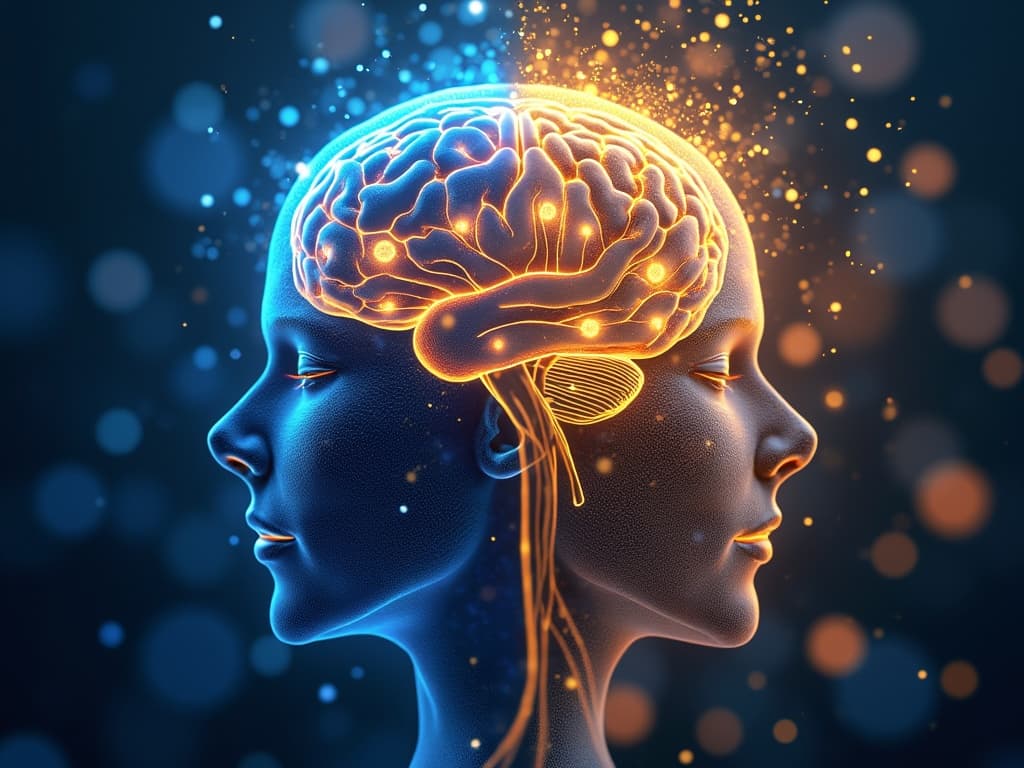
The link between our emotional well-being and immune health is becoming increasingly evident. Our thoughts, feelings, and relationships can have a profound impact on our immune system, either strengthening or weakening its function. Positive emotions, such as joy, gratitude, and a sense of connection, have been shown to enhance immune activity and promote overall health.
Conversely, chronic stress, anxiety, and negative thought patterns can lead to immune suppression and increased vulnerability to illness. When we experience prolonged stress, our body remains in a state of “fight or flight,” diverting resources away from immune function and repair processes.
To support immune rejuvenation, it is essential to cultivate a positive mindset and engage in stress-reducing practices. Techniques such as meditation, deep breathing, and mindfulness can help regulate the immune system by reducing inflammation and promoting relaxation. Additionally, nurturing supportive relationships and engaging in activities that bring joy and fulfillment can further bolster immune health.
The Importance of Gut Health in Immune Regulation
The gut-immune axis plays a vital role in maintaining overall health and well-being. Our gut microbiome, which consists of trillions of microorganisms, is intricately linked to our immune system. In fact, approximately 70% of our immune cells reside in the gut-associated lymphoid tissue (GALT).
A diverse and balanced gut microbiome is essential for optimal immune function. Beneficial bacteria in the gut help regulate immune responses, produce short-chain fatty acids that support gut barrier integrity, and compete with pathogenic microbes for resources. However, factors such as poor diet, antibiotics, and chronic stress can disrupt the delicate balance of the gut microbiome, leading to dysbiosis and immune dysfunction.
To promote a healthy gut microbiome and support immune health, it is crucial to focus on a diet rich in fiber, fermented foods, and prebiotics. These dietary components provide fuel for beneficial bacteria and help maintain a diverse microbial community. Additionally, avoiding processed foods, refined sugars, and excessive alcohol consumption can further support gut health and immune function.
The Power of Movement: Exercise and Immune Strength
Regular physical activity is a powerful tool for building immunologic strength. Engaging in moderate exercise has been shown to enhance immune function by increasing the circulation of immune cells, reducing inflammation, and stimulating the production of antibodies.
However, it is important to strike a balance when it comes to exercise and immune health. While moderate exercise is beneficial, excessive or prolonged high-intensity exercise can actually suppress immune function. This is known as the “J-curve” effect, where both sedentary behavior and extreme exercise can compromise immune health.
To optimize immune function through exercise, aim for regular, moderate-intensity activities such as brisk walking, cycling, or swimming. Incorporating resistance training can also help build lean muscle mass and support overall health. It is crucial to listen to your body and allow for adequate rest and recovery between workouts to prevent overtraining and immune suppression.
Lifestyle Strategies for Immune System Rejuvenation
In addition to the specific factors discussed above, there are several lifestyle strategies that can support immune system rejuvenation:
- Prioritize sleep: Aim for 7-9 hours of quality sleep per night to allow your body to repair and regenerate.
- Manage stress: Engage in stress-reducing activities such as yoga, deep breathing, or spending time in nature.
- Eat a nutrient-dense diet: Focus on whole, unprocessed foods rich in vitamins, minerals, and antioxidants.
- Stay hydrated: Drink plenty of water throughout the day to support cellular function and detoxification.
- Practice good hygiene: Wash your hands regularly and maintain a clean living environment to reduce exposure to pathogens.
- Connect with others: Cultivate supportive relationships and engage in social activities that bring joy and fulfillment.
- Limit alcohol and avoid smoking: Excessive alcohol consumption and smoking can weaken immune function and increase inflammation.
By incorporating these lifestyle strategies and adopting a holistic approach to health, you can effectively support your immune system and promote overall well-being. Remember, the key to immune system rejuvenation lies in making small, consistent changes that align with your individual needs and preferences.
The Future of Immune Health: Emerging Research and Innovations
As our understanding of the immune system continues to expand, new research and innovations are paving the way for advanced strategies in immune system rejuvenation. Scientists are exploring the potential of targeted therapies, such as immunomodulatory drugs and stem cell treatments, to enhance immune function and combat chronic diseases.
Additionally, the field of personalized medicine is rapidly evolving, offering the potential for tailored immune interventions based on an individual’s genetic profile and unique immune signature. By leveraging cutting-edge technologies such as genomic sequencing and artificial intelligence, healthcare professionals may soon be able to provide more precise and effective immune-boosting strategies.
However, while these advancements hold great promise, it is important to remember that the foundation of immune health lies in the daily choices we make. By prioritizing a healthy lifestyle, nourishing our bodies with wholesome foods, managing stress, and cultivating a positive mindset, we can empower our immune system to function at its best.
Conclusion
The immune system is a complex and intricate network that plays a vital role in maintaining our health and well-being. By understanding the factors that influence immune function and adopting a holistic approach to rejuvenation, we can effectively support our body’s natural defense mechanisms.
Through practices such as intermittent fasting, ketogenic diets, stress management, gut health optimization, and regular exercise, we can create an environment that promotes immune system rejuvenation. By making conscious choices that align with our individual needs and embracing a lifestyle that prioritizes overall health, we can strengthen our immune system and enhance our resilience in the face of challenges.
As we navigate the complexities of modern life, let us remember that the power to rejuvenate our immune system lies within us. By taking proactive steps to support our immune health and embracing a holistic approach to well-being, we can unlock the secrets of immune system rejuvenation and pave the way for a healthier, more vibrant future.