


Unraveling Alzheimer's Disease: From Risk Factors to Prevention Strategies

Introduction
Alzheimer’s disease is a devastating neurodegenerative disorder that affects millions of people worldwide. As the most common form of dementia, it progressively impairs cognitive function, memory, and daily living skills. With no current cure and limited treatment options, understanding the risk factors and preventive strategies is crucial for reducing the impact of this disease.
The Scope of the Problem
Currently, an estimated 6.5 million Americans are living with Alzheimer’s disease, accounting for more than 10% of people over the age of 65. This number is projected to reach 12.7 million by 2050, raising concerns about a potential surge in cases. The impact extends beyond those directly affected, as caregivers and loved ones also bear the emotional and physical burden of the disease.
Diagnosing Alzheimer’s Disease
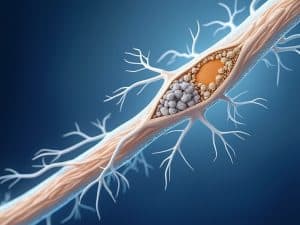
Historically, a definitive diagnosis of Alzheimer’s disease could only be made through a post-mortem examination of the brain, which would reveal a triad of pathological features:
- Amyloid plaques: Sticky accumulations of the amyloid protein around neurons
- Neurofibrillary tangles: Snarled tangles of the tau protein within neurons
- Neuronal loss: Shrinkage and death of brain cells
In recent years, advances in imaging techniques and biomarker analysis have allowed for earlier detection of Alzheimer’s-related changes in the brain. Specialized PET scans can detect amyloid deposition, while spinal fluid tests can measure ratios of amyloid proteins. Emerging blood tests show promise in correlating with these established diagnostic methods, potentially offering a more accessible and less invasive means of tracking the disease.
The Importance of Early Prevention
Research suggests that the pathological changes associated with Alzheimer’s disease begin 15-20 years before the onset of noticeable symptoms. This window presents a critical opportunity for preventive interventions. By identifying and addressing risk factors early on, it may be possible to slow or even prevent the accumulation of amyloid plaques and the cascade of events leading to cognitive decline.
Understanding the Root Causes
While amyloid plaques are a hallmark of Alzheimer’s disease, they are more likely a mediator than the root cause. Amyloid production is part of the brain’s immune response to injury, infection, or inflammation. Under normal circumstances, it plays a role in fighting infections and repairing damage. However, when this response becomes dysregulated, excessive amyloid accumulation can occur.
To effectively prevent or treat Alzheimer’s disease, it is crucial to address the underlying factors contributing to this dysregulation. This may include managing chronic infections, reducing neuroinflammation, and promoting vascular health.
The Role of Epigenetics and Lifestyle
Epigenetics, the study of how environmental factors influence gene expression, plays a significant role in Alzheimer’s risk. While certain genetic variants, such as the APOE4 allele, are associated with increased susceptibility, they do not determine an individual’s fate. Lifestyle choices can modulate the impact of genetic risk factors.
Engaging in regular physical activity, maintaining a healthy diet, managing stress, and staying socially and mentally active have all been shown to support brain health and potentially reduce the risk of cognitive decline. These lifestyle factors can promote neuroplasticity, the brain’s ability to form new connections and adapt to challenges.
The Importance of Resilience and Adaptability
Resilience and adaptability are key concepts in understanding the body’s response to stressors and the development of chronic diseases like Alzheimer’s. A healthy system is characterized by its ability to dynamically respond to challenges and then return to a state of balance.
In the context of Alzheimer’s prevention, this means promoting a lifestyle that allows for periods of recovery and oscillation. Regular sleep, exercise followed by rest, intermittent fasting, and stress management techniques can all help maintain the body’s natural resilience and prevent the chronic dysregulation that may contribute to neurodegeneration.
The Interaction of Genetics and Lifestyle
The APOE4 gene variant, the most well-studied genetic risk factor for late-onset Alzheimer’s disease, provides a compelling example of how genetics and lifestyle intersect. Individuals with one copy of APOE4 have a 2-3 times higher risk of developing Alzheimer’s, while those with two copies have a 10-12 times higher risk compared to those without the variant.
However, having the APOE4 variant does not guarantee the development of Alzheimer’s, and conversely, not having it does not provide complete protection. The presence of APOE4 appears to interact with other risk factors, such as type 2 diabetes, to further increase the likelihood of cognitive decline.
This highlights the importance of a personalized approach to Alzheimer’s prevention, taking into account an individual’s unique genetic profile and tailoring lifestyle interventions accordingly.
The Search for Effective Treatments
While lifestyle interventions and risk factor management are crucial for prevention, there is also an urgent need for effective treatments for those already living with Alzheimer’s disease. Recent news of a potential monoclonal antibody treatment targeting amyloid has generated both hope and caution.
Although preliminary results suggest a slowing of cognitive decline, the findings have yet to be peer-reviewed and published. Additionally, given the complexity of Alzheimer’s pathology, targeting amyloid alone may not be sufficient to halt the disease process.
Researchers continue to explore multiple avenues, including anti-inflammatory therapies, neuroprotective agents, and interventions that promote brain cell regeneration. As our understanding of the disease evolves, so too will the development of targeted and potentially more effective treatments.
Conclusion
Alzheimer’s disease remains a complex and formidable challenge, but there is reason for hope. By deepening our understanding of the underlying mechanisms, identifying early risk factors, and promoting a lifestyle that supports brain health, we can work towards reducing the impact of this devastating disease.
As research continues to unravel the intricacies of Alzheimer’s, it is crucial that we empower individuals with the knowledge and tools to take proactive steps in preserving their cognitive well-being. Through a combination of prevention, early detection, and the development of effective treatments, we can envision a future where Alzheimer’s is no longer an inevitable consequence of aging, but a condition that can be managed, treated, and perhaps one day, even prevented entirely.