


Multiple Sclerosis: A Comprehensive Review of Mechanisms, Management, and Modern Therapeutic Approaches
Introduction
Multiple Sclerosis (MS) represents one of the most complex and challenging autoimmune disorders affecting the central nervous system, impacting over 2.8 million people worldwide. This chronic condition occurs when the body’s immune system mistakenly attacks and damages the protective myelin sheath surrounding nerve fibers, disrupting crucial communication pathways between the brain and the rest of the body. The resulting damage leads to a wide array of symptoms that can significantly affect an individual’s quality of life, from physical mobility challenges to cognitive difficulties and chronic fatigue.
The landscape of MS understanding and treatment has evolved dramatically over the past decade, with breakthrough research shedding new light on potential triggers, disease mechanisms, and therapeutic approaches. Recent studies have revealed intricate connections between environmental factors, genetic predisposition, and lifestyle elements that may influence both disease onset and progression. This enhanced understanding has led to more targeted treatment strategies, combining conventional medical interventions with comprehensive lifestyle modifications and alternative therapeutic approaches.
Modern management of Multiple Sclerosis requires a multifaceted approach that addresses both the physiological and psychological aspects of the condition. From innovative dietary protocols and supplementation strategies to advanced physical therapy techniques and stress management programs, the treatment landscape continues to expand. Understanding these various components is crucial for healthcare providers and patients alike, as successful management often depends on implementing a personalized combination of these approaches.
This comprehensive exploration of Multiple Sclerosis will delve into the fundamental mechanisms of the disease, examine its diverse clinical manifestations, investigate root causes and triggers, and discuss both traditional and emerging treatment approaches. Special attention will be given to practical management strategies that can help individuals living with MS maintain optimal health and quality of life. By understanding these various aspects, readers will gain valuable insights into both the complexities of the condition and the promising advances in its treatment and management.
Core Concepts
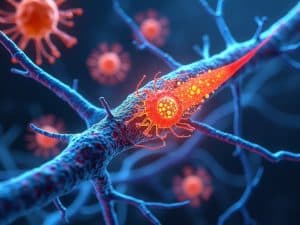
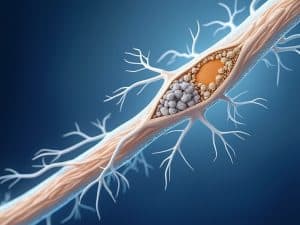
At the most fundamental level, Multiple Sclerosis involves a complex interplay between the immune system and the central nervous system (CNS). The CNS, comprising the brain and spinal cord, relies on a network of nerve fibers that transmit electrical signals throughout the body. These nerve fibers are protected by myelin, a fatty substance that forms an insulating sheath, much like the protective coating on electrical wires. In MS, the immune system incorrectly identifies this myelin as foreign or threatening, launching an inflammatory response that results in its degradation.
The process of myelin destruction, known as demyelination, occurs in distinct patches or lesions throughout the CNS. These lesions, also called plaques or sclerosis, represent areas where the myelin has been stripped away, leaving nerve fibers exposed and vulnerable. As these patches of damage accumulate, they disrupt the normal flow of electrical signals along nerve pathways. This disruption leads to the characteristic symptoms of MS, which can vary dramatically depending on which areas of the CNS are affected and the extent of the damage.
The progression of MS typically follows one of several patterns, each characterized by different rates and patterns of symptom development. Relapsing-remitting MS (RRMS), the most common form, involves distinct episodes of symptom flare-ups followed by periods of partial or complete recovery. Progressive forms of MS, whether primary or secondary, show a steady worsening of neurological function over time, though the rate of progression can vary significantly among individuals. Understanding these patterns is crucial for both diagnosis and treatment planning.
The immune system’s role in MS extends beyond simple myelin destruction. Research has revealed that the disease involves complex interactions between various types of immune cells, including T-cells, B-cells, and macrophages. These cells release inflammatory mediators and antibodies that not only damage myelin but can also affect the nerve fibers themselves. This understanding has led to the development of targeted therapies that aim to modulate specific aspects of the immune response, rather than suppressing the entire immune system.
Environmental and genetic factors play significant roles in MS development and progression. Studies have shown that certain genetic variations can increase susceptibility to MS, though no single gene has been identified as the sole cause. Environmental factors, including vitamin D deficiency, exposure to certain viruses, and geographical location (particularly distance from the equator), have been linked to MS risk. The interaction between these factors and the immune system creates a complex web of influences that can affect both disease onset and progression.
The complexity of MS extends to its impact on brain structure and function. Beyond myelin damage, the disease can lead to neurodegeneration, affecting both gray and white matter in the brain. This broader impact helps explain the wide range of symptoms experienced by MS patients, from physical manifestations like muscle weakness and coordination problems to cognitive issues such as memory difficulties and processing speed changes. Recent research has also highlighted the brain’s remarkable plasticity in responding to MS damage, suggesting potential new approaches for treatment and rehabilitation.
Current Understanding
Multiple Sclerosis manifests through a diverse array of clinical symptoms that can significantly impact daily functioning and quality of life. The presentation of symptoms varies considerably among individuals, reflecting the disease’s complex nature and the specific locations of CNS damage. Initial symptoms often include visual disturbances, such as blurred or double vision, resulting from inflammation of the optic nerve, a condition known as optic neuritis. These visual symptoms frequently serve as early warning signs that prompt medical evaluation and diagnosis.
Physical manifestations of MS typically include muscle weakness, coordination difficulties, and balance problems. These symptoms arise from disrupted nerve signal transmission due to demyelination in motor pathways. Patients may experience tremors, spasticity, and difficulties with fine motor tasks. Fatigue, a particularly challenging symptom reported by up to 80% of MS patients, presents not just as physical exhaustion but as an overwhelming sense of energy depletion that significantly impacts daily activities and work performance. This fatigue is distinct from normal tiredness and often worsens with heat exposure or physical exertion.
Cognitive symptoms, often referred to as “brain fog,” represent another significant aspect of MS that can profoundly affect patients’ lives. These symptoms may include difficulties with memory, attention, information processing speed, and executive function. Recent research has shown that cognitive changes can occur early in the disease course, even before significant physical symptoms become apparent. These cognitive challenges can impact employment, social relationships, and overall quality of life, making them a crucial focus of comprehensive MS management strategies.
Sensory disturbances form another key component of MS symptomatology. Patients frequently report numbness, tingling, or burning sensations in various parts of their body. These paresthesias can be temporary or persistent and may significantly impact comfort and functionality. Additionally, many individuals experience pain, which can manifest as acute sharp pains, chronic aching, or hypersensitivity to touch. Understanding these sensory symptoms is crucial for healthcare providers as they develop appropriate pain management strategies.
The progression and severity of symptoms can vary dramatically between individuals and may follow different patterns over time. While some patients experience distinct relapses followed by periods of remission, others may face a more progressive course with gradual symptom accumulation. Environmental factors, stress levels, and overall health status can influence symptom severity and frequency. Temperature sensitivity is particularly notable, with many patients reporting temporary worsening of symptoms during exposure to heat or after physical exertion, a phenomenon known as Uhthoff’s phenomenon.
The social and emotional impact of MS symptoms extends beyond physical manifestations. Many patients experience mood changes, anxiety, and depression, either as direct results of neurological changes or as psychological responses to living with a chronic condition. These emotional aspects interact with physical symptoms in complex ways, potentially exacerbating fatigue, pain, and cognitive difficulties. Recognition of these psychological components is essential for developing comprehensive treatment approaches that address both the physical and emotional aspects of the disease.
Clinical Applications
Clinical implementation in Multiple Sclerosis management requires a structured yet flexible approach that adapts to each patient’s unique symptom presentation and disease course. The initial clinical assessment should focus on establishing baseline function across multiple domains, including physical capabilities, cognitive status, and quality of life measures. This comprehensive evaluation helps identify priority areas for intervention and provides reference points for monitoring disease progression and treatment effectiveness. Regular reassessment using standardized tools and validated outcome measures ensures that therapeutic adjustments can be made promptly in response to changing symptoms or disease activity.
Treatment planning must integrate findings from the pathophysiological understanding of MS with practical, patient-centered interventions. For example, knowledge of temperature sensitivity (Uhthoff’s phenomenon) directly informs recommendations for activity scheduling and environmental modifications. Clinicians should guide patients in developing cooling strategies, such as pre-cooling before exercise or using cooling vests during physical activity. Similarly, understanding the impact of fatigue on daily function leads to practical energy conservation techniques, including activity pacing and strategic rest periods, which should be tailored to each patient’s daily routine and responsibilities.
Cognitive rehabilitation strategies should be implemented early in the disease course, even before significant cognitive decline is apparent. This proactive approach might include teaching organizational strategies, implementing memory aids, and developing compensatory techniques for information processing. The clinical application of cognitive interventions should be practical and relevant to the patient’s daily life, such as using smartphone apps for medication reminders or developing structured routines for complex tasks. Regular monitoring of cognitive function through standardized assessments helps track effectiveness and guides necessary modifications to these strategies.
Management of physical symptoms requires a coordinated approach between healthcare providers. Physical therapists should design exercise programs that balance the benefits of activity with fatigue management, incorporating appropriate rest periods and intensity modifications. Occupational therapy interventions should focus on maintaining independence in daily activities through adaptive techniques and equipment recommendations. The timing and intensity of these interventions should be carefully coordinated with other treatments, considering factors such as medication schedules and energy levels throughout the day. Regular communication between team members ensures that interventions remain complementary and aligned with overall treatment goals.
A crucial aspect of clinical implementation involves educating patients about the dynamic nature of MS and the importance of lifestyle modifications. This includes practical guidance on stress management techniques, sleep hygiene, and dietary considerations. Clinicians should provide specific, actionable recommendations, such as maintaining a symptom diary to identify triggers, establishing consistent sleep schedules, and implementing specific dietary modifications based on individual needs and preferences. Regular follow-up appointments should include review and refinement of these strategies, with adjustments made based on their effectiveness and the patient’s ability to integrate them into daily life.
Future Implications
The future landscape of Multiple Sclerosis management appears poised for significant transformation, driven by emerging technologies and deepening understanding of disease mechanisms. Advanced imaging techniques, including high-resolution MRI and molecular imaging, are likely to enable earlier detection and more precise monitoring of disease progression. This enhanced visualization capability, combined with artificial intelligence analysis, may allow clinicians to predict disease trajectories and customize interventions before significant symptoms manifest. Such predictive capabilities could fundamentally shift MS treatment from a reactive to a proactive approach, potentially altering the long-term outcomes for newly diagnosed patients.
Personalized medicine approaches are expected to revolutionize MS treatment strategies within the next decade. Current research into biomarkers and genetic factors suggests that treatment protocols will become increasingly individualized, moving beyond the current one-size-fits-all approach. Advanced genetic profiling and immune system analysis may enable clinicians to predict which patients will respond best to specific treatments, minimizing trial-and-error approaches in medication selection. This precision medicine approach could significantly reduce the time to achieving optimal disease control and potentially decrease the likelihood of disease progression.
The role of gut microbiota in MS pathogenesis and treatment is emerging as a crucial area for future therapeutic development. Research indicates that targeted microbiome modifications, whether through advanced probiotics, dietary interventions, or novel biological treatments, may offer new avenues for managing MS symptoms and potentially modifying disease progression. This understanding could lead to the development of microbiome-based therapies that work in conjunction with traditional immunomodulatory treatments, creating more comprehensive and effective treatment protocols. Additionally, the growing evidence linking environmental factors to MS development suggests that preventive strategies may become increasingly important, particularly for individuals identified as having high genetic risk factors.
Regenerative medicine technologies, including stem cell therapy and myelin repair agents, represent perhaps the most promising frontier in MS treatment. While current treatments focus primarily on preventing further damage, emerging regenerative approaches aim to repair existing neurological damage and restore lost function. Early clinical trials of myelin repair therapies show promising results, and as these technologies mature, they could offer hope for reversing some of the debilitating effects of long-term MS progression. The integration of these regenerative approaches with existing treatments could create comprehensive therapeutic strategies that not only halt disease progression but potentially reverse existing damage, fundamentally changing the prognosis for MS patients.
Practical Considerations
Practical implementation of Multiple Sclerosis management requires careful consideration of several key factors to ensure optimal outcomes. The first priority is establishing a sustainable daily routine that accommodates both treatment protocols and symptom management while maintaining quality of life. This involves creating a structured schedule that balances medication timing, therapy appointments, exercise routines, and rest periods. Common challenges include medication adherence, especially with complex treatment regimens, and managing fatigue throughout the day. Solutions may include using smartphone apps or automated reminders for medications, scheduling high-priority activities during peak energy hours, and implementing energy conservation techniques during daily tasks.
Environmental modifications play a crucial role in successful MS management. Temperature regulation is particularly important given the impact of heat on symptom exacerbation. Practical solutions include installing cooling systems, using personal cooling devices, and modifying activity schedules to avoid peak heat hours. In the workplace, accommodations might include positioning workstations away from heat sources, using anti-glare screens to reduce eye strain, and implementing ergonomic solutions to minimize physical stress. These modifications should be regularly evaluated and adjusted as symptoms evolve or seasonal changes occur.
The integration of physical activity and exercise requires careful planning to maximize benefits while minimizing fatigue and preventing overexertion. A practical approach involves starting with short, manageable exercise sessions and gradually increasing duration and intensity based on individual tolerance. Water-based exercises often prove beneficial due to the cooling effect and reduced impact on joints. Common challenges include maintaining motivation and consistency, particularly during symptom flares. Solutions include working with a physical therapist to develop adaptive exercise strategies, joining MS-specific exercise groups for support and accountability, and maintaining detailed exercise logs to track progress and identify patterns in symptom response.
Diet and nutrition management presents unique challenges in MS care, particularly when implementing specific dietary protocols such as anti-inflammatory or ketogenic approaches. Practical considerations include meal planning and preparation strategies that accommodate fatigue levels, developing simplified shopping lists focusing on nutrient-dense foods, and preparing meals in advance during high-energy periods. Common obstacles include the time and energy required for food preparation and the potential social impacts of dietary restrictions. Solutions might include batch cooking during good energy days, utilizing meal delivery services when needed, and developing strategies for maintaining dietary compliance during social events or travel. Regular consultation with a registered dietitian can help adjust nutritional strategies as needs change over time.
Support system development and maintenance is essential for long-term success in MS management. This involves coordinating care between various healthcare providers, maintaining clear communication channels, and ensuring family members and caregivers understand their roles in the management plan. Practical challenges include coordinating multiple appointments, managing insurance and financial aspects of care, and maintaining work-life balance. Solutions include utilizing care coordination services when available, developing emergency plans for symptom flares, and regularly updating all team members about changes in symptoms or treatment responses. Regular assessment of support needs and adjustment of resources helps ensure the sustainability of the management plan over time.
Frequently Asked Questions About Multiple Sclerosis
What are the earliest signs of Multiple Sclerosis that I should watch for?
The earliest signs of Multiple Sclerosis often include vision problems, such as blurred or double vision, unusual fatigue that doesn’t improve with rest, and tingling or numbness in various parts of the body, particularly the face, arms, or legs. These initial symptoms may come and go, making them easy to dismiss at first.
Another common early indicator is balance problems or dizziness, along with cognitive difficulties often described as “brain fog.” It’s important to note that these symptoms can vary significantly between individuals, and not everyone experiences the same initial signs. If you experience any combination of these symptoms, especially if they persist or recur, it’s advisable to consult a healthcare provider for evaluation.
How is Multiple Sclerosis diagnosed, and how long does the process take?
Multiple Sclerosis diagnosis typically involves multiple steps and can take several weeks to months to confirm. The process usually begins with a detailed medical history and neurological examination, followed by MRI scans to identify characteristic lesions in the brain and spinal cord. Additional tests may include lumbar puncture (spinal tap) to analyze cerebrospinal fluid, evoked potential tests to measure nerve response times, and blood tests to rule out other conditions.
Diagnosis often follows the “McDonald Criteria,” which requires evidence of damage in different areas of the central nervous system at different times. This requirement for demonstrating disease activity over time is why diagnosis can be lengthy, as doctors may need to document multiple episodes or perform repeated imaging to confirm the diagnosis.
Can diet and lifestyle changes really make a difference in MS symptoms?
Yes, diet and lifestyle modifications can significantly impact MS symptom management and overall quality of life. Research shows that anti-inflammatory diets, particularly those rich in omega-3 fatty acids and low in processed foods, can help reduce inflammation and potentially slow disease progression. The ketogenic diet has also shown promising results in some studies for managing MS symptoms.
Lifestyle factors such as regular exercise, stress management, and adequate sleep are equally important. Exercise, when appropriately modified for individual capabilities, can help maintain strength, balance, and flexibility while also improving mood and energy levels. Stress reduction techniques, such as meditation or yoga, can help manage symptom flares, as stress is a known trigger for MS exacerbations.
What are the latest treatment advances for Multiple Sclerosis?
Recent advances in MS treatment include new disease-modifying therapies (DMTs) that are more effective at preventing relapses and slowing disease progression. These include targeted immunotherapies that can be administered less frequently than older medications, some requiring only a few doses per year. Additionally, new delivery methods, such as oral medications, have made treatment more convenient for many patients.
Emerging treatments in clinical trials include stem cell therapies, remyelination agents that may help repair damaged nerve coatings, and new approaches targeting specific aspects of the immune system. There’s also growing research into personalized medicine approaches that use genetic and biomarker information to match patients with the most effective treatments for their specific form of MS.
How can I maintain my work life while managing MS symptoms?
Managing work life with MS requires a combination of workplace accommodations, energy management strategies, and open communication with employers. Many people with MS successfully maintain their careers by implementing strategies such as flexible work hours, remote work options when possible, and ergonomic workplace modifications. The Americans with Disabilities Act (ADA) protects workers with MS and requires reasonable accommodations from employers.
It’s important to develop an energy conservation plan that prioritizes work tasks during your peak energy hours and includes regular rest breaks. Consider discussing your condition with your supervisor or HR department to explore available accommodations. Many find that being proactive about managing symptoms at work, such as using cooling devices or adjusting lighting to prevent fatigue, helps maintain productivity and job satisfaction.
Closing
Multiple Sclerosis continues to present both challenges and opportunities in the medical landscape, with our understanding of this complex neurological condition evolving rapidly. The integration of advanced diagnostic techniques, personalized treatment approaches, and comprehensive lifestyle interventions has transformed the management paradigm from one of mere symptom control to a more holistic strategy aimed at preserving function and enhancing quality of life. The growing emphasis on early intervention, coupled with emerging regenerative therapies and targeted immunomodulation, offers new hope for individuals living with MS. These developments, combined with our deeper understanding of environmental triggers and genetic factors, are reshaping how we approach both prevention and treatment.
Looking ahead, the field of MS research and treatment stands at the threshold of several promising developments. The convergence of precision medicine, advanced imaging technologies, and novel therapeutic approaches, including microbiome-based treatments and regenerative medicine, suggests a future where MS management becomes increasingly personalized and effective. The potential for myelin repair and regeneration, combined with better predictive models for disease progression, may fundamentally alter the long-term prognosis for newly diagnosed patients. As our understanding of the complex interplay between genetic, environmental, and lifestyle factors continues to deepen, we move closer to not only more effective treatments but potentially preventive strategies for high-risk individuals. This evolving landscape underscores the importance of continued research, patient education, and the development of comprehensive, individualized management strategies that address both the physical and psychological aspects of living with MS.