


Multiple Sclerosis: An Integrative Approach to Treatment and Management
Introduction
Multiple Sclerosis (MS) represents one of the most complex and challenging neurological disorders faced by modern medicine, affecting nearly 3 million people worldwide. This chronic autoimmune condition targets the central nervous system, specifically attacking the protective myelin sheath that surrounds nerve fibers, leading to communication disruptions between the brain and the rest of the body. The progressive nature of MS, combined with its unpredictable symptom presentation and varying degrees of severity, has made it a focal point of both conventional medical research and integrative therapeutic approaches.
The landscape of MS treatment and understanding has evolved dramatically over the past decade, with emerging research highlighting the intricate interplay between environmental factors, genetic predisposition, and immune system dysfunction. While traditionally viewed primarily through the lens of conventional pharmaceutical interventions, there is growing recognition of the potential benefits of a more comprehensive, integrative approach to treatment. This shift in perspective has opened new avenues for therapeutic interventions, particularly in addressing the root causes and contributing factors that may influence disease progression and symptom manifestation.
In this comprehensive exploration of Multiple Sclerosis, we will examine the fundamental pathophysiology of the condition, including the latest understanding of autoimmune mechanisms and their impact on neurological function. We’ll delve into the critical role of environmental and biological triggers, investigating how factors such as toxin exposure, infectious agents, and gut health contribute to disease development and progression. The discussion will extend to cutting-edge integrative treatment protocols, combining evidence-based conventional approaches with functional medicine strategies, including nutritional interventions, therapeutic supplementation, and physical rehabilitation techniques.
The journey through MS is not solely a physical one, and this article will also address the crucial mental and emotional aspects of healing, including trauma-informed treatment strategies and mind-body techniques. To ground these concepts in real-world application, we’ll conclude with a detailed case study demonstrating successful implementation of a comprehensive treatment protocol, offering hope and practical insights for those navigating their own MS journey. Through this holistic examination, we aim to provide a thorough understanding of both the challenges and opportunities in managing Multiple Sclerosis effectively.
Core Concepts
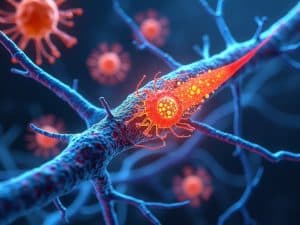
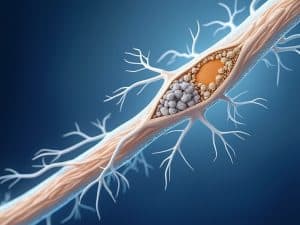
At the core of Multiple Sclerosis lies a complex autoimmune cascade that specifically targets the central nervous system. The process begins when the body’s immune system mistakenly identifies myelin, the protective fatty coating surrounding nerve fibers, as a foreign threat. This critical protective layer, analogous to the insulation around electrical wires, normally enables rapid and efficient transmission of nerve signals throughout the brain and spinal cord. When compromised through the autoimmune attack, this process known as demyelination results in the formation of scar tissue (sclerosis) at multiple sites, giving the condition its name and characteristic pattern of neurological dysfunction.
The progression of MS typically follows several distinct patterns, though individual experiences can vary significantly. Relapsing-remitting MS (RRMS), the most common form, is characterized by clearly defined attacks of new or increasing neurological symptoms, followed by periods of partial or complete recovery. Secondary progressive MS (SPMS) often develops in patients initially diagnosed with RRMS, marked by a steady progression of disability with or without relapses. Primary progressive MS (PPMS), affecting approximately 15% of patients, shows continuous deterioration from onset without distinct relapses or remissions. Understanding these patterns is crucial for both diagnosis and treatment planning, as each type may respond differently to various therapeutic interventions.
The inflammatory process in MS creates a cascade of neurological symptoms that can affect virtually any part of the central nervous system. Common manifestations include visual disturbances, such as optic neuritis, which often serves as an early indicator of the disease. Motor symptoms like muscle weakness, spasticity, and coordination problems typically develop as nerve damage accumulates. Sensory disruptions, including numbness, tingling, and pain, frequently occur as communication pathways between the brain and body become increasingly compromised. Cognitive challenges, often referred to as “brain fog,” can impact memory, concentration, and information processing speed.
Gender disparities in MS prevalence reveal important insights into the condition’s underlying mechanisms. Women are approximately three times more likely than men to develop MS, suggesting a significant role for hormonal influences in disease susceptibility. This gender bias, combined with geographical patterns showing higher incidence rates in regions farther from the equator, points to a complex interplay between genetic predisposition, hormonal factors, and environmental triggers. Vitamin D deficiency, commonly found in populations with limited sun exposure, has emerged as a significant risk factor, potentially explaining part of this geographical distribution.
The diagnosis of MS requires a careful synthesis of clinical history, neurological examination findings, and supporting evidence from various diagnostic tools. Magnetic Resonance Imaging (MRI) plays a pivotal role by revealing the characteristic white matter lesions that indicate areas of demyelination and inflammation. The McDonald Criteria, the current diagnostic standard, requires demonstration of disease activity separated in time and space, meaning evidence of damage in different areas of the central nervous system occurring at different times. Cerebrospinal fluid analysis, particularly the presence of oligoclonal bands, provides additional confirmation of the immune-mediated nature of the disease process.
Understanding the cellular mechanisms of MS has led to significant advances in treatment approaches. Modern therapies target specific aspects of the immune response, aiming to modulate rather than suppress immune function entirely. Disease-modifying treatments (DMTs) work to reduce inflammation, prevent new lesions, and slow disease progression. However, the complexity of MS pathophysiology suggests that optimal management requires a more comprehensive approach, incorporating strategies to address underlying factors such as oxidative stress, mitochondrial dysfunction, and neuronal repair mechanisms. This understanding has opened the door to integrative treatment protocols that combine conventional medical approaches with evidence-based complementary therapies.
Current Understanding
Environmental factors and biological triggers play a pivotal role in the development and progression of Multiple Sclerosis, with emerging research highlighting the complex interplay between external stressors and immune system function. Environmental toxin exposure, particularly to heavy metals, industrial chemicals, and mycotoxins from mold, can contribute to neurological inflammation and immune system dysregulation. These environmental triggers often accumulate over time, potentially reaching a threshold that, when combined with genetic susceptibility, may trigger the onset of MS symptoms or exacerbate existing conditions.
The connection between viral infections and MS has gained significant attention in recent years, with several viral agents being identified as potential triggers for disease onset or progression. Epstein-Barr virus (EBV) infection, in particular, has shown a strong correlation with MS development, with studies indicating that nearly all MS patients show evidence of prior EBV exposure. Other viral infections, including human herpesvirus 6 (HHV-6) and cytomegalovirus (CMV), may also contribute to the inflammatory cascade that characterizes MS, suggesting a complex relationship between viral triggers and autoimmune response.
The gut-brain axis has emerged as a crucial factor in understanding MS pathophysiology, with increasing evidence pointing to the role of intestinal permeability, or “leaky gut syndrome,” in autoimmune conditions. Disruptions in the gut microbiome can lead to increased inflammation and altered immune responses that may contribute to neurological inflammation and myelin degradation. Research has shown that MS patients often exhibit distinct patterns of gut bacteria composition, suggesting that microbiome modulation could represent a promising therapeutic approach.
Chronic stress and its impact on immune function represent another significant factor in MS development and progression. The stress response system, particularly the hypothalamic-pituitary-adrenal (HPA) axis, plays a crucial role in immune system regulation. Prolonged stress can lead to dysregulation of this system, potentially contributing to the autoimmune response characteristic of MS. Furthermore, stress-induced inflammation can exacerbate existing symptoms and potentially accelerate disease progression, creating a challenging cycle for patients managing the condition.
The identification of these environmental and biological triggers has led to more comprehensive treatment approaches that address multiple aspects of the disease process. Integration of strategies to reduce toxin exposure, support healthy immune function, and maintain gut health has become increasingly important in MS management protocols. This understanding has also highlighted the importance of early intervention in addressing potential triggers, particularly in individuals with genetic predisposition to MS or early signs of neurological symptoms. By addressing these fundamental factors, practitioners can develop more effective, personalized treatment strategies that target both the symptoms and underlying causes of Multiple Sclerosis.
Clinical Applications
Clinical application of current MS knowledge requires a systematic, multi-faceted approach that begins with comprehensive patient assessment and biomarker testing. Initial evaluation should include detailed environmental exposure history, gut health assessment, viral antibody testing, and advanced neurological imaging. Practitioners should pay particular attention to signs of mold exposure, heavy metal accumulation, and intestinal permeability, as these represent modifiable risk factors that can significantly impact treatment outcomes. Standard laboratory panels should be expanded to include inflammatory markers, vitamin D levels, thyroid function, and markers of oxidative stress to establish a baseline and guide therapeutic interventions.
Implementation of treatment protocols should follow a staged approach, beginning with environmental modification and detoxification support. This includes assessment and remediation of home and work environments for potential toxin exposures, particularly focusing on water damage and mold issues. Practical detoxification strategies should be introduced gradually, starting with foundational supports such as binders, drainage pathway support, and gentle liver detoxification protocols. The intensity of these interventions must be carefully calibrated to prevent excessive mobilization of toxins that could temporarily exacerbate neurological symptoms.
Nutritional intervention forms a cornerstone of practical MS management, with the ketogenic diet showing particular promise in reducing neuroinflammation and supporting myelin repair. Clinical implementation should begin with a structured transition period, typically 4-6 weeks, during which patients gradually reduce carbohydrate intake while increasing healthy fats and maintaining adequate protein. Practitioners should provide detailed meal plans, shopping guides, and cooking instructions, while monitoring ketone levels and neurological symptoms. Regular assessment of nutritional status and potential deficiencies is crucial, with particular attention to B vitamins, omega-3 fatty acids, and minerals that support neurological function.
The integration of physical therapy and movement protocols requires careful coordination between healthcare providers. A practical approach involves starting with gentle exercises focused on maintaining range of motion and gradually progressing to more challenging activities as tolerated. Implementation should include regular assessment of fatigue levels and symptom response to exercise, with modifications made accordingly. Mind-body techniques such as meditation, breathing exercises, and stress management strategies should be incorporated into daily routines, with clear instructions and achievable goals set for patients. Regular monitoring of progress through standardized assessment tools helps track improvements and guide protocol adjustments.
Long-term management requires establishment of a sustainable support system and regular monitoring protocol. This includes scheduled reassessment of biomarkers, symptom tracking, and quality of life measures. Practitioners should develop clear communication channels with patients for reporting symptom changes or concerns, and establish protocols for adjusting treatments based on patient response. The integration of telemedicine platforms can facilitate regular check-ins and adjustments to treatment plans, while support group referrals and educational resources help maintain patient engagement and compliance with therapeutic protocols. Success in clinical application relies heavily on maintaining a balance between aggressive treatment of underlying factors and careful management of patient tolerance and quality of life.
Future Implications
The future landscape of Multiple Sclerosis management appears poised for significant transformation, driven by advances in precision medicine and biomarker technology. Current research trajectories suggest that within the next decade, we may see the development of highly personalized treatment protocols based on individual genetic profiles, immune system characteristics, and environmental exposure patterns. This evolution in therapeutic approach will likely enable practitioners to predict disease progression more accurately and intervene with targeted treatments before significant neurological damage occurs. The integration of artificial intelligence algorithms analyzing vast datasets of patient information could revolutionize our understanding of trigger patterns and treatment responses, leading to more precise and effective intervention strategies.
Emerging research in neuroregeneration and stem cell therapy shows promising potential for myelin repair and nervous system restoration. Current developments in bioengineering suggest that within the next 5-7 years, we may see breakthrough treatments combining stem cell therapy with targeted molecular signals to enhance remyelination. This could be further augmented by advances in nanotechnology, potentially delivering therapeutic agents directly to affected areas of the central nervous system while minimizing systemic effects. The combination of these approaches with existing treatment protocols could fundamentally change the progressive nature of MS, potentially transforming it from a degenerative condition to a manageable chronic state with opportunities for functional recovery.
The role of the microbiome in MS pathogenesis is likely to become increasingly central to treatment strategies, with current research pointing toward the development of precision probiotics and targeted microbiome interventions. Advanced diagnostic tools for analyzing the gut-brain axis are expected to become more readily available, allowing for more precise manipulation of the intestinal environment to modulate immune response and reduce neuroinflammation. This may lead to the development of personalized dietary protocols and microbiome-based therapeutics that could serve as primary interventions in early-stage MS and preventive strategies for at-risk individuals. The integration of these approaches with conventional treatments could significantly improve outcomes and potentially prevent disease onset in susceptible populations.
Practical Considerations
Practical implementation of comprehensive MS management requires careful attention to several key factors that can significantly impact treatment success. The initial phase should focus on creating a structured timeline for intervention, typically spanning 12-18 months, with clear milestones and assessment points. Practitioners should begin with a detailed baseline assessment including symptom tracking, quality of life measures, and comprehensive laboratory testing. This foundation allows for meaningful progress tracking and helps maintain patient motivation through what can be a lengthy healing process. Consider implementing a digital tracking system or patient diary to monitor symptoms, dietary compliance, and response to interventions.
Common challenges in MS protocol implementation often center around treatment adherence, particularly with dietary modifications and lifestyle changes. The ketogenic diet, while effective, can present significant practical difficulties for patients adjusting to new eating patterns. Address these challenges by providing meal prep guidance, shopping lists, and batch cooking strategies. Consider implementing a phased approach to dietary changes, starting with simple modifications and gradually increasing complexity. Support groups and cooking classes can provide practical skills and emotional support during this transition. Additionally, coordinate with family members or caregivers to ensure a supportive home environment that facilitates adherence to the protocol.
Managing detoxification reactions and symptom flares requires careful protocol adjustment and patient education. Start with gentle interventions and gradually increase intensity while monitoring patient response. Establish clear communication channels for reporting adverse reactions and create a predetermined protocol for managing flares. Consider implementing a rotating schedule for supplements and treatments to prevent overwhelm and optimize absorption. Practical strategies might include creating a daily supplement organizer, setting phone reminders for treatments, and developing a symptom management toolkit that patients can access during flares. Regular check-ins, particularly during the initial phases of treatment, help identify and address challenges before they impact protocol adherence.
Environmental modification presents unique challenges, particularly for patients with limited resources or complex living situations. Develop a prioritized approach to environmental interventions, focusing first on the bedroom and other high-use areas. Provide practical guidance for reducing toxin exposure through simple steps like water filtration, air purification, and natural cleaning products. When mold remediation is necessary, help patients develop a staged approach that aligns with their resources and living situation. Create a practical checklist for home assessment and modification, and consider partnering with environmental specialists who can provide additional support and expertise.
Integration of physical therapy and movement protocols must be carefully tailored to each patient’s energy levels and symptom patterns. Develop a flexible exercise schedule that can be adjusted based on daily energy availability, and provide modifications for high-symptom days. Create clear guidelines for activity pacing and energy conservation, incorporating rest periods and stress reduction techniques throughout the day. Consider utilizing telemedicine platforms for regular movement assessments and protocol adjustments, particularly for patients with mobility challenges or limited access to in-person care. Regular reassessment of exercise tolerance and symptom response helps maintain an appropriate balance between activity and rest, ensuring sustainable progress in physical function.
Frequently Asked Questions About Multiple Sclerosis Treatment
How long does it typically take to see improvements with an integrative MS treatment protocol?
Response times to integrative treatments vary significantly among individuals, but most patients begin noticing initial improvements within 3-6 months of consistently following a comprehensive protocol. These early changes often include improvements in energy levels, cognitive clarity, and reduction in inflammation-related symptoms. However, significant neurological improvements, particularly in cases involving structural damage, typically require 12-18 months of dedicated treatment.
Can dietary changes really make a difference in MS symptoms?
Research shows that dietary interventions, particularly the ketogenic diet, can significantly impact MS symptoms by reducing neuroinflammation and supporting myelin repair processes. The ketogenic diet’s ability to provide alternative fuel sources for the brain while reducing inflammatory markers has been documented in multiple studies. Most patients report noticeable improvements in energy levels, cognitive function, and overall symptom management within 2-3 months of strict dietary adherence, though individual results vary based on disease severity and compliance.
How does environmental toxin exposure affect MS progression, and what can I do about it?
Environmental toxins, particularly mold exposure and heavy metals, can trigger inflammatory responses that exacerbate MS symptoms and accelerate disease progression. These toxins can compromise immune function and increase oxidative stress in the nervous system. The first step in addressing this is to conduct a thorough assessment of your living and working environments, focusing on water damage, air quality, and potential sources of toxic exposure. Implementing air filtration systems, using water filters, and gradually incorporating detoxification protocols under professional guidance can significantly reduce toxic burden and improve treatment outcomes.
What role does stress management play in MS treatment?
Stress management is crucial in MS treatment as chronic stress can directly impact immune function and increase inflammation in the nervous system. High stress levels can trigger flare-ups and accelerate disease progression through the activation of the hypothalamic-pituitary-adrenal (HPA) axis. Regular implementation of stress reduction techniques such as meditation, breathing exercises, and gentle movement practices can help regulate the nervous system and improve treatment outcomes. Most patients who prioritize stress management report better symptom control and fewer flare-ups.
Is it possible to reverse myelin damage in MS?
While complete reversal of myelin damage has traditionally been considered impossible, emerging research suggests that some degree of remyelination is possible through comprehensive treatment approaches. This process requires a combination of reducing inflammation, providing necessary nutrients for myelin repair, and supporting neuroplasticity through targeted interventions. The body has natural repair mechanisms that can be enhanced through proper nutrition, stress reduction, and specific therapeutic interventions. However, the extent of recovery varies significantly among individuals and depends on factors such as disease duration, overall health status, and commitment to treatment protocols.
How do I know if my gut health is affecting my MS symptoms?
The gut-brain connection in MS is well-documented, and several indicators can suggest gut health involvement in symptom presentation. Common signs include digestive issues, food sensitivities, irregular bowel habits, and increased symptom flares after certain meals. Comprehensive testing, including stool analysis and intestinal permeability assessments, can provide objective measures of gut health status. Most patients who address underlying gut issues through dietary modifications, targeted supplementation, and stress management report improvements in both digestive and neurological symptoms within 3-6 months.
What should I look for in a healthcare provider for integrative MS treatment?
An ideal healthcare provider for integrative MS treatment should have experience in both conventional neurology and functional medicine approaches. Look for practitioners who take a comprehensive approach, considering environmental factors, nutrition, gut health, and emotional well-being alongside traditional medical management. They should be willing to work collaboratively with other healthcare providers and be open to adjusting treatment protocols based on your individual response. The provider should also have experience in interpreting complex lab work and creating personalized treatment plans that address both immediate symptoms and underlying causes.
Closing
The evolving landscape of Multiple Sclerosis treatment represents a pivotal shift from traditional symptom management to comprehensive, root-cause oriented approaches. Through examining the intricate interplay between environmental triggers, immune system dysfunction, and neurological manifestations, we’ve uncovered the critical importance of addressing MS through multiple therapeutic angles. The integration of conventional medical treatments with functional medicine strategies, including targeted nutritional interventions, detoxification protocols, and gut health optimization, offers promising pathways for improved patient outcomes. This comprehensive approach, supported by emerging research and clinical success stories, demonstrates that managing MS effectively requires attention to both the biological mechanisms of disease progression and the broader context of patient wellness.
Looking ahead, the field of MS treatment stands at the threshold of significant advancement, with personalized medicine and technological innovations driving new possibilities for intervention and healing. The growing understanding of biomarkers, genetic factors, and environmental influences will likely lead to increasingly tailored treatment protocols, offering hope for better disease management and potential regenerative therapies. As research continues to illuminate the complex relationships between environmental toxins, gut health, and neurological function, practitioners will be better equipped to implement preventive strategies and early interventions that could fundamentally alter the course of MS progression.
The future of MS care lies in the seamless integration of multiple therapeutic approaches, supported by advanced diagnostic tools and a deeper understanding of individual patient needs. While challenges remain in fully understanding and treating this complex condition, the convergence of conventional and functional medicine approaches, combined with emerging technologies and treatment modalities, provides a robust framework for improving patient outcomes. By maintaining focus on comprehensive care strategies while embracing new developments in the field, the medical community can continue to advance toward more effective treatments and, ultimately, better quality of life for individuals living with Multiple Sclerosis.