

Multiple Sclerosis: An Integrative Approach to Understanding and Treatment
Introduction
Multiple sclerosis (MS) represents one of the most complex and challenging neurological disorders facing modern medicine, affecting nearly 3 million people worldwide. This chronic autoimmune condition targets the central nervous system, specifically degrading the protective myelin sheath that surrounds nerve fibers, leading to a wide array of neurological symptoms and varying degrees of disability. The unpredictable nature of MS, combined with its tendency to affect young adults in their prime years, makes it particularly impactful both medically and socially, often disrupting careers, relationships, and quality of life during what should be the most productive years.
Recent advances in medical research have dramatically expanded our understanding of MS, revealing it to be far more complex than initially believed. While conventional treatments have traditionally focused on managing symptoms and slowing disease progression through immunomodulatory medications, emerging evidence suggests that multiple environmental, genetic, and lifestyle factors play crucial roles in both disease onset and progression. This evolving perspective has opened new avenues for intervention, incorporating integrative approaches that address not only the physical manifestations of MS but also its underlying triggers and contributing factors.
The contemporary approach to MS management increasingly recognizes the importance of a comprehensive, multi-faceted treatment strategy that extends beyond traditional pharmaceutical interventions. This paradigm shift acknowledges the intricate connections between environmental toxicity, gut health, stress management, and neurological function. Understanding these relationships has led to the development of more holistic treatment protocols that combine conventional medical treatments with evidence-based complementary therapies, nutritional interventions, and mind-body approaches. This expanding therapeutic landscape offers new hope for individuals living with MS, providing multiple pathways for managing symptoms and potentially slowing disease progression.
This comprehensive exploration will delve into the fundamental aspects of MS pathophysiology, examine the complex web of contributing factors, and investigate both traditional and innovative treatment approaches. We will analyze the latest research on environmental triggers, explore the role of nutrition and lifestyle modifications, and examine how mind-body medicine can support overall treatment outcomes. Through a detailed case study, we will also demonstrate how these various therapeutic elements can be successfully integrated into a personalized treatment protocol, offering practical insights for both practitioners and patients navigating this challenging condition.
Core Concepts
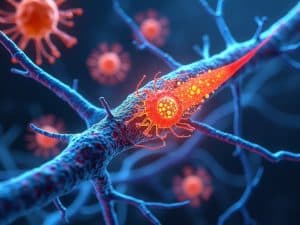
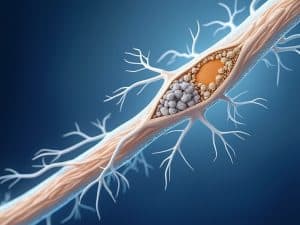
At the core of multiple sclerosis lies a complex autoimmune process where the body’s immune system mistakenly attacks the protective myelin sheath surrounding nerve fibers in the central nervous system. This myelin sheath, composed of specialized cells called oligodendrocytes, acts as an insulating layer that enables rapid and efficient transmission of electrical signals along nerve cells. When this protective covering becomes damaged through a process called demyelination, nerve signals become disrupted, leading to the characteristic symptoms of MS. This fundamental breakdown in neural communication forms the basis for understanding both the disease progression and its varied manifestations.
The immune system’s role in MS involves multiple cellular components, primarily T-cells and B-cells, which become abnormally activated and cross the blood-brain barrier. This barrier, typically a selective filter protecting the brain from harmful substances, becomes compromised in MS, allowing inflammatory cells to enter the central nervous system. Once inside, these immune cells initiate an inflammatory cascade that directly damages myelin and the oligodendrocytes that produce it. This ongoing inflammation creates multiple areas of scarring or “sclerosis,” giving the disease its name and contributing to progressive neurological dysfunction.
Disease progression in MS typically follows one of several patterns, each characterized by distinct phases of relapse and remission or steady progression. Relapsing-remitting MS (RRMS), the most common form, features clearly defined attacks followed by periods of partial or complete recovery. Secondary progressive MS (SPMS) often develops from RRMS, characterized by steady deterioration with or without relapses. Primary progressive MS (PPMS), though less common, shows continuous worsening from onset without distinct relapses. Understanding these patterns is crucial for both diagnosis and treatment planning, as each type may respond differently to various therapeutic interventions.
The clinical presentation of MS varies significantly among individuals, reflecting the disease’s impact on different areas of the central nervous system. Common early symptoms include visual disturbances, such as optic neuritis, fatigue, numbness or tingling in limbs, balance problems, and cognitive changes. As the disease progresses, patients may experience more severe symptoms including mobility issues, speech difficulties, bladder dysfunction, and cognitive decline. This variability in symptom presentation, often referred to as MS’s “thousand faces,” contributes to the challenges in early diagnosis and appropriate treatment selection.
Modern diagnostic approaches for MS rely on multiple criteria, including clinical symptoms, magnetic resonance imaging (MRI) findings, and laboratory tests. The McDonald Criteria, the current diagnostic standard, requires evidence of damage in different areas of the central nervous system occurring at different times. MRI scans can reveal characteristic lesions or plaques in the brain and spinal cord, while cerebrospinal fluid analysis may show elevated levels of immunoglobulins, indicating immune system activation within the central nervous system. This multi-faceted diagnostic approach helps distinguish MS from other neurological conditions that may present with similar symptoms.
The concept of neuroplasticity plays a crucial role in understanding both the impact of MS and potential recovery mechanisms. This refers to the brain’s ability to reorganize and form new neural connections in response to injury or disease. In MS, while the immune system damages myelin and neurons, the brain attempts to compensate by recruiting alternative neural pathways and forming new connections. This adaptive capacity underlies many rehabilitation strategies and explains why early intervention and comprehensive treatment approaches can help maintain function even as the disease progresses. Understanding neuroplasticity has led to the development of targeted therapies that aim to support and enhance these natural recovery mechanisms.
Current Understanding
Multiple sclerosis manifests through a complex interplay of environmental, genetic, and immunological factors that collectively contribute to disease development and progression. Research has identified several key environmental triggers, including vitamin D deficiency, exposure to certain viral infections, and various environmental toxins. The geographical distribution of MS cases, with higher prevalence in regions farther from the equator, strongly supports the role of vitamin D and sunlight exposure in disease risk. This pattern, combined with migration studies, suggests that environmental factors encountered during early life may significantly influence disease susceptibility.
The relationship between viral infections and MS has become increasingly clear, with the Epstein-Barr virus (EBV) emerging as a particularly significant trigger. Recent research has established that nearly all MS patients show evidence of prior EBV infection, suggesting it may be a necessary but not sufficient condition for MS development. Other viral infections, including human herpesvirus 6 and cytomegalovirus, have also been implicated in disease initiation and progression. These infections may trigger autoimmune responses through molecular mimicry, where immune responses against viral proteins cross-react with myelin components.
Growing evidence supports the crucial role of the gut-brain axis in MS pathogenesis. Alterations in the intestinal microbiome composition have been observed in MS patients, with specific bacterial populations showing either protective or promoting effects on disease activity. This dysbiosis can lead to increased intestinal permeability, allowing bacterial products and inflammatory molecules to enter circulation and potentially trigger or exacerbate autoimmune responses. The gut microbiota’s influence extends beyond immune regulation to include effects on metabolism, inflammation, and even neurological function through the production of neuroactive compounds.
Genetic factors contribute significantly to MS susceptibility, though no single gene determines disease development. The strongest genetic association lies within the Human Leukocyte Antigen (HLA) complex, particularly the HLA-DRB1\*15:01 allele, which can increase MS risk several-fold. However, the relatively low concordance rate in identical twins suggests that genetic predisposition alone is insufficient for disease development. Epigenetic modifications, which can be influenced by environmental factors, provide an important link between genetic susceptibility and environmental triggers, helping explain how external factors might influence disease risk in genetically susceptible individuals.
The impact of environmental toxins on MS risk and progression has gained increased attention. Various industrial chemicals, heavy metals, and air pollutants have been associated with increased disease risk or severity. These substances may contribute to MS development through multiple mechanisms, including direct neurotoxicity, immune system dysregulation, and disruption of the blood-brain barrier integrity. Emerging research suggests that cumulative toxic burden, rather than single exposures, may be particularly relevant in disease development, highlighting the importance of comprehensive detoxification strategies in treatment protocols.
Understanding these varied etiological factors has led to the development of more targeted therapeutic approaches. Modern treatment strategies increasingly focus on addressing multiple risk factors simultaneously, combining conventional immunomodulatory treatments with interventions targeting gut health, toxin exposure reduction, and optimization of vitamin D levels. This comprehensive approach reflects the complex nature of MS pathogenesis and the need for personalized treatment protocols that address each patient’s unique combination of contributing factors.
Clinical Applications
The practical implementation of comprehensive MS care requires a systematic approach that addresses multiple therapeutic targets while remaining adaptable to individual patient needs. Clinicians should begin with a thorough assessment that extends beyond traditional neurological evaluation to include environmental exposure history, nutritional status, gut health markers, and stress levels. This comprehensive intake process helps identify key contributing factors and guides the development of personalized treatment protocols. Initial laboratory testing should include vitamin D levels, inflammatory markers, comprehensive thyroid function, and markers of intestinal permeability, as these provide actionable data points for early intervention.
Nutritional intervention represents a foundational component of clinical care, with dietary modifications serving as a primary tool for managing inflammation and supporting neurological health. Implementation typically begins with an elimination protocol to identify potential food sensitivities, followed by the introduction of a Mediterranean or modified ketogenic diet depending on patient factors. Practical success requires careful patient education, including meal planning resources and strategies for maintaining compliance in real-world settings. Supplementation protocols should be introduced gradually, prioritizing key nutrients such as vitamin D, omega-3 fatty acids, and B-complex vitamins, with dosing adjusted based on regular monitoring of clinical response and laboratory markers.
Environmental modification strategies must be implemented systematically, beginning with a home assessment to identify potential sources of toxic exposure. Practical interventions include installing high-quality water filtration systems, addressing any visible mold issues, and replacing conventional household products with non-toxic alternatives. Detoxification support should be introduced carefully, starting with gentle interventions such as increased hydration and dietary fiber intake before progressing to more targeted protocols. The timing and intensity of detoxification measures must be carefully balanced against the patient’s current symptom status and overall stability.
Physical therapy and movement medicine require careful integration with other treatment elements, taking into account the patient’s energy levels and symptom patterns. Initial interventions often focus on maintaining mobility and preventing deconditioning, with intensity gradually increased as tolerance improves. Mind-body techniques should be introduced early in treatment, with particular emphasis on stress management strategies that patients can readily incorporate into daily routines. Regular monitoring of both objective measures (such as walking speed and balance tests) and subjective symptoms guides the progression of physical interventions and helps prevent overexertion.
The successful implementation of these various therapeutic elements requires consistent communication between healthcare providers and regular assessment of treatment response. A tracking system for both symptoms and functional measures helps guide treatment modifications and provides objective evidence of progress. Patient education remains crucial throughout the treatment process, with emphasis on self-monitoring skills and recognition of early warning signs that may indicate the need for treatment adjustment. Regular review of treatment goals and progress allows for timely modification of interventions based on individual response patterns and changing needs.
Future Implications
The future landscape of multiple sclerosis treatment appears poised for significant transformation, driven by advances in personalized medicine and emerging technologies. Artificial intelligence-enabled analysis of large-scale patient data is likely to reveal previously unrecognized patterns in disease progression and treatment response, leading to more precise therapeutic targeting. This technological evolution, combined with improvements in genetic testing and biomarker identification, suggests a shift toward highly individualized treatment protocols that can be adjusted in real-time based on patient response patterns and environmental factors. The integration of continuous monitoring devices and digital health platforms may enable earlier intervention during disease flares and more accurate prediction of disease progression.
Emerging research in neuroimmunology and microbiome science points toward revolutionary therapeutic approaches that could fundamentally alter the course of MS treatment. Novel therapies targeting specific aspects of the immune response, particularly those focusing on regulatory T-cells and B-cell function, may offer more selective immunomodulation with fewer side effects than current treatments. The growing understanding of the gut-brain axis suggests that microbiome-based interventions, including precision probiotics and targeted metabolic modulators, could become standard components of MS treatment protocols. These developments may be complemented by advanced delivery systems that can more effectively cross the blood-brain barrier, potentially leading to more efficient therapeutic interventions with reduced systemic effects.
The integration of regenerative medicine approaches, particularly those focused on promoting remyelination and neural repair, represents another promising frontier. Current research into stem cell therapies and neurotrophic factors suggests that future treatments may not only prevent further damage but actively restore lost function. This could be particularly significant for progressive forms of MS, which have historically been more resistant to treatment. Additionally, advances in epigenetic modification techniques may enable targeted intervention in gene expression patterns associated with MS, potentially preventing disease progression before significant damage occurs. These developments, combined with improved understanding of environmental triggers, could lead to more effective preventive strategies for high-risk individuals.
Practical implementation of these advances will likely require significant evolution in healthcare delivery systems, with increased emphasis on interdisciplinary care coordination and real-time data analysis. The role of healthcare providers may shift toward interpreting complex data patterns and adjusting treatment protocols based on sophisticated algorithmic recommendations. While these developments offer exciting possibilities for improved patient outcomes, they also present challenges in terms of healthcare access, cost management, and the need for specialized training. Success will depend on careful balance between technological innovation and practical clinical application, ensuring that advanced treatments remain accessible and implementable in real-world settings.
Practical Considerations
Successful implementation of comprehensive MS care requires careful attention to several practical considerations that can significantly impact treatment outcomes. The first critical step involves creating a realistic timeline for introducing various therapeutic elements, typically beginning with the most foundational interventions such as dietary modifications and basic supplementation. This staged approach helps prevent overwhelming patients while allowing for careful monitoring of individual responses. Practitioners should establish clear protocols for tracking both objective markers and subjective symptoms, using standardized assessment tools at regular intervals to document progress and adjust interventions accordingly.
Common challenges in treatment implementation often center around patient compliance with dietary and lifestyle modifications. To address these obstacles, practitioners should develop structured support systems including detailed meal plans, shopping guides, and stress management routines that can be realistically integrated into patients’ daily lives. Regular check-ins, whether in-person or via telemedicine, help identify and address compliance issues early. Additionally, creating a network of support professionals, including nutritionists, physical therapists, and mental health practitioners, ensures patients receive comprehensive care while maintaining treatment consistency across providers.
Managing treatment costs and insurance coverage presents another significant challenge, particularly for integrative approaches that may not be fully covered by traditional insurance plans. Practitioners should work with patients to prioritize interventions based on both therapeutic impact and financial considerations. This might involve starting with well-covered conventional treatments while gradually incorporating complementary therapies as resources allow. Additionally, providing patients with information about financial assistance programs, supplement discount programs, and cost-effective alternatives for recommended interventions helps ensure treatment accessibility.
Detoxification protocols and environmental modifications require particular attention to practical implementation. Rather than attempting comprehensive changes immediately, practitioners should guide patients through gradual modifications to their home and work environments. This might begin with simple interventions like improved water filtration and air purification, progressing to more extensive modifications as needed. Similarly, detoxification support should be introduced carefully, with close monitoring for any adverse reactions or healing crises. Creating detailed action plans with specific timelines helps patients navigate these changes while maintaining their daily responsibilities and activities.
The integration of physical therapy and movement medicine must be carefully tailored to each patient’s capabilities and energy levels. Practitioners should develop exercise protocols that can be modified based on symptom fluctuations, incorporating both active and passive therapeutic techniques. Providing patients with clear guidelines for activity modification during flares, along with strategies for energy conservation, helps maintain consistent engagement with physical therapy goals while preventing overexertion. Regular reassessment of physical capabilities ensures that movement protocols remain appropriate and beneficial as the patient’s condition evolves.
Frequently Asked Questions
What are the earliest signs of multiple sclerosis that I should watch for?
The earliest signs of MS can vary significantly between individuals, but common initial symptoms include unexplained fatigue, vision problems (particularly in one eye), numbness or tingling in the limbs, and balance difficulties. Many people also experience cognitive changes, such as difficulty concentrating or memory issues, before more obvious physical symptoms appear.
These early symptoms often come and go, which can make them easy to dismiss. It’s particularly important to pay attention if you experience multiple symptoms simultaneously or if they persist for more than 24 hours. Any combination of these symptoms, especially in young adults between 20-40 years of age, should prompt a medical evaluation.
How does diet affect multiple sclerosis progression?
Diet plays a crucial role in MS management by influencing inflammation levels, gut health, and immune system function. Research suggests that anti-inflammatory diets, particularly the Mediterranean diet and modified ketogenic approaches, can help reduce disease activity and improve symptoms. These diets typically emphasize whole foods, healthy fats (especially omega-3s), and plenty of vegetables while limiting processed foods, sugar, and inflammatory proteins.
The gut-brain connection is particularly important in MS, as intestinal health directly impacts immune system function and inflammation levels throughout the body. A proper diet can help maintain the integrity of the gut barrier, support beneficial bacteria, and provide essential nutrients for myelin repair and nervous system function.
Can stress trigger MS symptoms or make them worse?
Yes, stress has been consistently shown to exacerbate MS symptoms and can trigger flare-ups. During periods of stress, the body releases inflammatory chemicals that can increase immune system activity and potentially worsen autoimmune responses. Additionally, stress can impact sleep quality, dietary choices, and treatment adherence, all of which can indirectly affect MS symptoms.
Implementing stress management techniques is therefore considered a crucial part of comprehensive MS treatment. This might include practices such as meditation, deep breathing exercises, gentle yoga, or other relaxation techniques. Many patients find that regular stress management not only helps reduce symptom severity but also improves overall quality of life and treatment outcomes.
What role do environmental toxins play in MS, and how can I reduce my exposure?
Environmental toxins can contribute to MS development and progression through various mechanisms, including immune system disruption, increased inflammation, and direct damage to the nervous system. Common sources of concern include industrial chemicals, heavy metals, mold exposure, and certain pesticides. These toxins can accumulate over time, potentially triggering or worsening autoimmune responses.
To reduce exposure, start with your immediate environment by using high-quality water filters, air purifiers, and non-toxic household products. Pay attention to potential mold issues in your home and workplace. Choose organic produce when possible to minimize pesticide exposure, and be mindful of personal care products that might contain harmful chemicals. A gradual, systematic approach to reducing toxic exposure can be an important part of managing MS.
How do I know if my MS treatment plan is working effectively?
Treatment effectiveness can be measured through both objective and subjective markers. Objective measures include MRI results showing stable or reduced lesion activity, improved performance on standardized physical tests (like walking speed or balance assessments), and positive changes in blood markers of inflammation. Subjective improvements might include reduced fatigue, better cognitive function, improved mood, and enhanced quality of life.
It’s important to keep a symptom diary or use a tracking app to monitor changes over time, as improvements may be gradual and subtle. Regular assessments with your healthcare team, typically every 3-6 months, can help evaluate treatment effectiveness through standardized measures. Remember that treatment success often means disease stability rather than complete symptom resolution, and progress should be evaluated over months rather than days or weeks.
Closing Thoughts
Multiple sclerosis represents a complex interplay between genetic predisposition, environmental triggers, and immune system dysfunction, requiring an equally sophisticated and multifaceted approach to treatment. The evidence presented throughout this exploration demonstrates that successful management of MS extends far beyond traditional pharmaceutical interventions, encompassing nutritional strategies, environmental modification, stress management, and targeted physical therapy. This comprehensive approach, supported by advancing research in neuroimmunology and microbiome science, offers new hope for patients while highlighting the importance of individualized treatment protocols that address each person’s unique combination of contributing factors.
As our understanding of MS continues to evolve, emerging technologies and treatment modalities promise even more precise and effective interventions. The integration of artificial intelligence-driven diagnostics, advanced imaging techniques, and sophisticated biomarker analysis is likely to enable earlier intervention and more accurate prediction of disease progression. These developments, combined with growing knowledge of neuroplasticity and regenerative medicine, suggest a future where MS treatment might not only prevent further damage but potentially reverse existing neurological deficits. The key to realizing these possibilities lies in maintaining a balanced approach that combines the best of conventional medicine with evidence-based complementary therapies, while remaining adaptable to new discoveries and treatment options as they emerge.
The journey toward optimal MS management requires ongoing collaboration between healthcare providers, researchers, and patients, with each playing a vital role in advancing our understanding and treatment of this challenging condition. While the complexity of MS can seem daunting, the expanding therapeutic landscape offers unprecedented opportunities for improved outcomes and quality of life. By embracing a comprehensive, integrative approach while remaining grounded in scientific evidence, we can continue to make meaningful progress in the fight against multiple sclerosis, offering hope and practical solutions for those affected by this condition.