


Multiple Sclerosis: A Comprehensive Examination of Current Understanding and Treatment Approaches
Introduction
Multiple Sclerosis (MS) represents one of modern medicine’s most complex and challenging neurological disorders, affecting nearly 3 million people worldwide. This chronic autoimmune condition targets the central nervous system, specifically attacking the protective myelin sheath that surrounds nerve fibers, leading to communication disruptions between the brain and body. The resulting damage can manifest in a wide spectrum of symptoms, from mild sensory disturbances to severe mobility limitations, making MS a particularly intricate condition to diagnose, treat, and manage effectively.
The landscape of MS understanding and treatment has evolved dramatically over the past decade, with breakthrough research revealing new insights into its underlying mechanisms and potential therapeutic approaches. Contemporary studies have illuminated the critical roles of environmental factors, genetic predisposition, and lifestyle influences in both disease onset and progression. This evolving knowledge has led to a paradigm shift in treatment strategies, moving from purely pharmaceutical interventions to more comprehensive, integrative approaches that address multiple aspects of patient health and wellness.
As medical science continues to advance, practitioners and researchers are increasingly recognizing the importance of a holistic approach to MS management. This comprehensive view encompasses not only traditional medical interventions but also considers nutritional optimization, environmental factors, stress management, and psychological well-being. The integration of functional medicine principles alongside conventional treatments has opened new avenues for symptom management and quality of life improvement for individuals living with MS. Current evidence suggests that addressing these multiple facets of health can significantly impact disease progression and patient outcomes.
This detailed exploration will examine the fundamental mechanisms of MS, investigate potential triggers and root causes, and discuss comprehensive treatment strategies that combine conventional and integrative approaches. We will delve into the crucial role of mental health and emotional healing in the recovery process, supported by real-world case studies and success stories that demonstrate the potential for meaningful improvement through multifaceted intervention strategies. By understanding these various aspects of MS care, healthcare providers and patients can work together to develop more effective, personalized treatment plans that address both the physical and psychological dimensions of this challenging condition.
Core Concepts
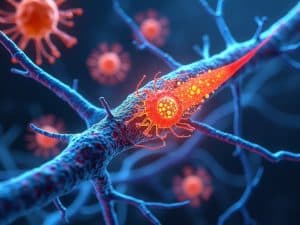
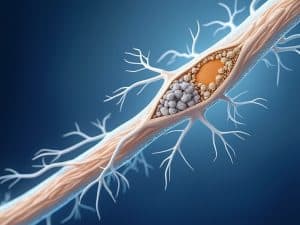
Multiple Sclerosis fundamentally disrupts the central nervous system through an autoimmune response that targets myelin, the protective coating surrounding nerve fibers. This process, known as demyelination, creates lesions or scars (sclerosis) in multiple areas of the brain and spinal cord. When myelin is damaged, nerve signals become delayed or blocked, similar to an electrical wire losing its insulation. This disruption in neural communication leads to the diverse array of symptoms characteristic of MS, including vision problems, muscle weakness, coordination difficulties, and cognitive challenges.
The disease typically manifests in one of four primary patterns, each with distinct characteristics and progression rates. Relapsing-remitting MS (RRMS), the most common form, features clearly defined attacks followed by periods of partial or complete recovery. Secondary progressive MS (SPMS) often develops as a later stage of RRMS, characterized by steady deterioration with or without relapses. Primary progressive MS (PPMS) shows continuous worsening from onset without distinct relapses, while progressive-relapsing MS (PRMS) demonstrates steady progression from the beginning with occasional acute relapses.
The immune system’s role in MS involves complex interactions between various types of immune cells, particularly T-cells and B-cells, which mistakenly attack the central nervous system. This autoimmune response triggers inflammation, leading to the destruction of myelin and, in some cases, the nerve fibers themselves. The exact trigger for this immune system malfunction remains unclear, but research suggests a combination of genetic predisposition and environmental factors, including vitamin D deficiency, viral infections, and geographical location, with MS being more prevalent in regions farther from the equator.
Diagnosis of MS requires a comprehensive evaluation process that typically includes multiple diagnostic tools and criteria. Magnetic Resonance Imaging (MRI) plays a crucial role by revealing the characteristic lesions in the brain and spinal cord, while cerebrospinal fluid analysis can detect specific immune system markers. The McDonald Criteria, the current diagnostic standard, requires evidence of damage in different parts of the central nervous system occurring at different times, along with the exclusion of other potential causes for the symptoms.
The blood-brain barrier, a specialized membrane that typically protects the central nervous system from harmful substances, becomes compromised in MS. This breakdown allows inflammatory cells to enter the brain and spinal cord, contributing to the cycle of inflammation and damage. Understanding this mechanism has led to the development of various therapeutic approaches that target different aspects of the immune response, from preventing immune cell migration to modulating immune system activity.
Recent research has illuminated the significant role of neuroplasticity in MS, referring to the brain’s ability to form new neural connections and reorganize existing ones. This natural repair mechanism can help compensate for damaged areas, though its effectiveness varies among individuals. This understanding has influenced treatment approaches, emphasizing the importance of early intervention and the potential benefits of therapies that support and enhance natural repair processes, including physical therapy, cognitive rehabilitation, and various neuroprotective strategies.
Current Understanding
Multiple Sclerosis fundamentally disrupts the central nervous system through an autoimmune response that targets myelin, the protective coating surrounding nerve fibers. This process, known as demyelination, creates lesions or scars (sclerosis) in multiple areas of the brain and spinal cord. When myelin is damaged, nerve signals become delayed or blocked, similar to an electrical wire losing its insulation. This disruption in neural communication leads to the diverse array of symptoms characteristic of MS, including vision problems, muscle weakness, coordination difficulties, and cognitive challenges.
The disease typically manifests in one of four primary patterns, each with distinct characteristics and progression rates. Relapsing-remitting MS (RRMS), the most common form, features clearly defined attacks followed by periods of partial or complete recovery. Secondary progressive MS (SPMS) often develops as a later stage of RRMS, characterized by steady deterioration with or without relapses. Primary progressive MS (PPMS) shows continuous worsening from onset without distinct relapses, while progressive-relapsing MS (PRMS) demonstrates steady progression from the beginning with occasional acute relapses.
The immune system’s role in MS involves complex interactions between various types of immune cells, particularly T-cells and B-cells, which mistakenly attack the central nervous system. This autoimmune response triggers inflammation, leading to the destruction of myelin and, in some cases, the nerve fibers themselves. The exact trigger for this immune system malfunction remains unclear, but research suggests a combination of genetic predisposition and environmental factors, including vitamin D deficiency, viral infections, and geographical location, with MS being more prevalent in regions farther from the equator.
Diagnosis of MS requires a comprehensive evaluation process that typically includes multiple diagnostic tools and criteria. Magnetic Resonance Imaging (MRI) plays a crucial role by revealing the characteristic lesions in the brain and spinal cord, while cerebrospinal fluid analysis can detect specific immune system markers. The McDonald Criteria, the current diagnostic standard, requires evidence of damage in different parts of the central nervous system occurring at different times, along with the exclusion of other potential causes for the symptoms.
The blood-brain barrier, a specialized membrane that typically protects the central nervous system from harmful substances, becomes compromised in MS. This breakdown allows inflammatory cells to enter the brain and spinal cord, contributing to the cycle of inflammation and damage. Understanding this mechanism has led to the development of various therapeutic approaches that target different aspects of the immune response, from preventing immune cell migration to modulating immune system activity.
Recent research has illuminated the significant role of neuroplasticity in MS, referring to the brain’s ability to form new neural connections and reorganize existing ones. This natural repair mechanism can help compensate for damaged areas, though its effectiveness varies among individuals. This understanding has influenced treatment approaches, emphasizing the importance of early intervention and the potential benefits of therapies that support and enhance natural repair processes, including physical therapy, cognitive rehabilitation, and various neuroprotective strategies.
Clinical Applications
Clinical application of Multiple Sclerosis management requires a strategically coordinated approach that bridges theoretical understanding with practical intervention strategies. The initial assessment should include comprehensive neurological examination, standardized disability status evaluation using the Expanded Disability Status Scale (EDSS), and detailed documentation of symptom patterns. This baseline evaluation helps establish individualized treatment metrics and enables systematic monitoring of disease progression or improvement over time.
Implementation of treatment protocols should follow a tiered approach, beginning with disease-modifying therapies (DMTs) as indicated by the specific MS pattern identified. For relapsing-remitting MS, early intervention with DMTs such as interferon beta medications or glatiramer acetate has shown significant efficacy in reducing relapse frequency and severity. These pharmaceutical interventions should be complemented by proactive symptom management strategies, including spasticity control through baclofen or tizanidine, and fatigue management through both pharmacological and lifestyle modifications. Regular monitoring of liver function, complete blood count, and thyroid function is essential for patients on DMTs to ensure safe long-term administration.
The practical application of integrative treatment approaches requires careful coordination between multiple healthcare providers. Physical therapists should focus on maintaining functional mobility and preventing deconditioning through customized exercise programs that account for fatigue patterns and heat sensitivity. Occupational therapy interventions should address specific functional limitations in daily activities, while speech therapy may be necessary for patients experiencing dysarthria or swallowing difficulties. These rehabilitation specialists should maintain regular communication with the treating neurologist to ensure alignment of therapeutic goals with disease management strategies.
Successful clinical management also demands attention to psychosocial aspects of MS care. Implementation of regular mental health screening using validated tools such as the Hospital Anxiety and Depression Scale (HADS) can help identify patients requiring psychological intervention. Support group referrals should be provided at diagnosis and during significant disease transitions. Care coordinators or MS nurses play a crucial role in facilitating communication between healthcare providers, ensuring medication adherence, and connecting patients with community resources for practical support with transportation, home modifications, or employment accommodations.
A systematic approach to managing environmental and lifestyle factors is essential for optimal outcomes. This includes regular vitamin D level monitoring with supplementation as needed, implementation of stress reduction techniques, and dietary modifications based on individual inflammatory markers and nutritional needs. Patient education should emphasize the importance of temperature regulation, energy conservation strategies, and early recognition of relapse symptoms. Regular reassessment of treatment efficacy using standardized outcome measures, including quality of life assessments and functional indices, helps guide necessary adjustments to the treatment plan and ensures that interventions remain aligned with patient goals and disease progression.
Future Implications
The future landscape of Multiple Sclerosis treatment appears poised for significant transformation, driven by emerging technologies and deepening understanding of neuroimmunology. Current research trajectories suggest that personalized medicine approaches, particularly those utilizing artificial intelligence-driven analysis of genetic and biomarker data, will enable more precise treatment matching and earlier intervention strategies. This evolution in diagnostic capabilities, combined with advancing imaging technologies, may allow for the detection and treatment of MS before clinical symptoms manifest, potentially altering the natural history of the disease for many patients.
Therapeutic innovations on the horizon include the development of regenerative treatments focusing on myelin repair and neuroprotection. Several promising compounds currently in clinical trials target oligodendrocyte function and remyelination processes, while emerging stem cell therapies show potential for neural repair and immune system modulation. These approaches, combined with next-generation monoclonal antibodies and small molecule treatments, may offer more effective disease modification with fewer side effects. Additionally, the growing understanding of the gut-brain axis and its role in autoimmune regulation suggests that microbiome-based therapies could become a significant component of future MS treatment protocols.
The integration of digital health technologies and remote monitoring systems is likely to revolutionize MS management over the next decade. Wearable devices and smartphone applications capable of tracking subtle changes in gait, balance, and cognitive function could enable earlier detection of disease progression and more timely therapeutic adjustments. Virtual reality and augmented reality systems may enhance rehabilitation protocols, providing more engaging and effective physical therapy options while generating valuable data on patient progress. These technological advances, combined with telemedicine platforms, could dramatically improve access to specialized MS care, particularly for patients in rural or underserved areas.
Looking further ahead, the convergence of multiple therapeutic approaches – including gene therapy, nanotechnology-based drug delivery systems, and precision neuromodulation – may lead to more comprehensive treatment strategies that can effectively halt or reverse disease progression. While these developments hold tremendous promise, they will likely necessitate new frameworks for clinical decision-making and resource allocation. Healthcare systems will need to adapt to incorporate these advanced treatments while ensuring equitable access and sustainable delivery models. The evolution of MS care will require continued collaboration between researchers, clinicians, and patients to translate scientific advances into practical, effective treatment strategies that improve outcomes for all individuals affected by this challenging condition.
Practical Considerations
Implementing comprehensive Multiple Sclerosis care requires careful attention to practical considerations that can significantly impact treatment success. Healthcare providers should establish clear communication protocols between all team members, including neurologists, primary care physicians, rehabilitation specialists, and mental health professionals. Regular case conferences, whether virtual or in-person, help ensure coordinated care delivery and timely adjustments to treatment plans. Electronic health record systems should be optimized to track key metrics, including relapse frequency, medication adherence, and functional assessments, enabling data-driven decision-making while minimizing documentation burden.
Common challenges in MS management often center around medication adherence, appointment coordination, and managing complex symptom patterns. To address these issues, implementing a dedicated MS nurse coordinator position can provide crucial support for both patients and healthcare teams. This coordinator can facilitate medication access, provide injection training when needed, and help patients navigate insurance coverage challenges. Additionally, establishing a standardized protocol for handling acute relapses, including after-hours contact procedures and criteria for emergency department referrals, helps reduce treatment delays and improves patient outcomes.
Treatment optimization requires careful attention to practical barriers that may impede care delivery. Transportation difficulties, particularly for patients with mobility challenges, can be addressed through partnerships with community transportation services or implementation of telemedicine options where appropriate. Fatigue management programs should be scheduled during optimal energy periods, typically in the morning for most patients. Physical therapy sessions may need to be shorter but more frequent, with home exercise programs modified to account for heat sensitivity and energy conservation principles. Environmental modifications in clinical settings, such as cooling systems and readily available rest areas, can help patients maintain stamina during necessary appointments.
The successful integration of mental health support requires careful consideration of timing and delivery methods. Initial psychological assessments should be conducted when patients are not experiencing acute relapses or severe symptoms, allowing for more accurate evaluation of baseline mental health status. Support groups may be more effective when organized according to age groups or MS subtypes, enabling more relevant peer connections and practical advice sharing. Virtual support options should be available for patients with mobility limitations or those living in remote areas, while ensuring technology support is readily available to maintain consistent access to these services.
Financial considerations play a crucial role in treatment implementation and should be addressed proactively. Healthcare teams should develop relationships with pharmaceutical assistance programs and maintain updated information about available financial resources. Regular review of insurance coverage changes and proactive communication about potential treatment modifications can help prevent interruptions in care. Creating a resource directory for patients that includes information about disability benefits, employment rights, and community support services helps address practical concerns that can impact treatment adherence and overall outcomes. This comprehensive approach to addressing practical challenges ensures that the theoretical frameworks discussed earlier can be effectively translated into real-world clinical success.
Frequently Asked Questions
How is Multiple Sclerosis diagnosed, and what are the early warning signs?
Multiple Sclerosis is diagnosed through a combination of clinical evaluation, MRI imaging, cerebrospinal fluid analysis, and other diagnostic tests following the McDonald Criteria. Early warning signs typically include vision problems (such as blurred or double vision), unusual fatigue, numbness or tingling in limbs, balance issues, and cognitive difficulties. However, symptoms can vary significantly between individuals.
The diagnostic process usually requires evidence of damage in different parts of the central nervous system occurring at different times. No single test can definitively diagnose MS, which is why doctors use a comprehensive approach that includes ruling out other conditions that might cause similar symptoms.
Can diet and lifestyle changes really impact MS progression?
Research increasingly shows that diet and lifestyle modifications can significantly influence MS progression and symptom severity. Anti-inflammatory diets, particularly those rich in omega-3 fatty acids, fruits, vegetables, and lean proteins, have been shown to reduce inflammation and potentially slow disease progression. Additionally, maintaining adequate vitamin D levels, regular exercise within individual capabilities, and stress management techniques can positively impact disease outcomes.
Lifestyle factors such as smoking cessation, adequate sleep, and stress reduction are also crucial components of managing MS. These modifications work synergistically with conventional treatments to improve overall outcomes and quality of life.
What are the latest treatment options available for MS?
Current MS treatment options include a wide range of disease-modifying therapies (DMTs) that can reduce relapse frequency and slow disease progression. These include injectable medications, oral medications, and infusion therapies. The choice of treatment depends on various factors including MS type, disease severity, and individual patient characteristics.
Recent advances include new monoclonal antibodies that target specific aspects of the immune response, and emerging therapies focusing on myelin repair and neuroprotection. Additionally, comprehensive treatment approaches now commonly include physical therapy, occupational therapy, cognitive rehabilitation, and mental health support as integral components of MS management.
How does MS affect mental health, and what support is available?
MS can significantly impact mental health through both direct neurological effects and the psychological challenges of living with a chronic condition. Depression and anxiety are common among MS patients, with rates higher than in the general population. The condition can also affect cognitive function, including memory, attention, and processing speed.
Support options include professional counseling, support groups, and cognitive behavioral therapy specifically tailored for MS patients. Many MS treatment centers now integrate mental health professionals into their care teams and offer both individual and group therapy options. Additional resources often include stress management programs, mindfulness training, and community support networks.
What role does genetics play in MS, and can it be prevented?
While MS is not directly inherited, genetic factors do contribute to disease susceptibility. Having a first-degree relative with MS increases one’s risk, but it’s important to note that multiple genes and environmental factors interact to influence disease development. The presence of specific genetic markers doesn’t guarantee that someone will develop MS.
Currently, there’s no known way to completely prevent MS, but certain risk factors can be modified. These include maintaining adequate vitamin D levels, not smoking, maintaining a healthy weight, and avoiding excessive exposure to certain environmental toxins. Early intervention when symptoms first appear can help manage the condition more effectively and potentially slow its progression.
Closing
The comprehensive understanding and management of Multiple Sclerosis continues to evolve, revealing the critical importance of an integrated approach that addresses both the biological mechanisms of the disease and the holistic needs of patients. From the fundamental autoimmune processes that characterize MS to the complex interplay of environmental triggers and genetic predisposition, our growing knowledge has led to increasingly sophisticated treatment strategies. The integration of conventional medical interventions with lifestyle modifications, nutritional optimization, and mental health support has created a more effective framework for managing this challenging condition.
As we look toward the future, the landscape of MS treatment holds considerable promise. Emerging technologies in neuroimaging, genetic analysis, and targeted therapeutics are opening new possibilities for personalized treatment approaches. The development of regenerative therapies, advanced immunomodulators, and innovative rehabilitation techniques suggests that we may soon have even more effective tools for managing MS progression and improving patient outcomes. These advances, combined with our deepening understanding of neuroplasticity and the role of environmental factors, provide hope for increasingly successful treatment strategies.
The journey toward optimal MS management requires continued collaboration between healthcare providers, researchers, and patients, with an emphasis on both scientific advancement and practical implementation. Success lies not only in developing new treatments but also in ensuring their accessibility and integration into comprehensive care protocols. As we move forward, the focus must remain on supporting patients through every aspect of their MS journey, from early diagnosis through long-term management, while maintaining an unwavering commitment to improving quality of life and fostering hope for those affected by this complex neurological condition.