


Unraveling the Mystery of Gluten Sensitivity: Exploring the Complex Interplay of Environmental Factors

In recent years, gluten has become a major topic of discussion when it comes to our food and health. The prevalence of celiac disease, an autoimmune disorder triggered by gluten consumption, has increased significantly. Additionally, many individuals without celiac disease report experiencing digestive discomfort and other symptoms after consuming gluten-containing foods. This phenomenon has led to a growing interest in understanding the factors contributing to this apparent rise in gluten sensitivity.
The Genetic Puzzle
Experts in the field, such as renowned gastroenterologist Dr. Alessio Fasano, suggest that the rapid increase in gluten-related disorders cannot be solely attributed to genetic changes in the human population. The timeline of this epidemic indicates that environmental factors are likely playing a significant role in making individuals more susceptible to gluten sensitivity.
Differences in Food Processing
One intriguing observation is the difference in gluten tolerance among individuals when consuming wheat products in different countries. Many people report experiencing fewer digestive issues when eating pasta or bread in Europe compared to the United States. While the exact reasons for this discrepancy are not fully understood, there are several potential contributing factors:
- Traditional bread-making processes: In Europe, bread is often made using traditional methods that involve longer fermentation times. This extended process allows enzymes more time to break down gluten proteins into smaller, less problematic fragments. In contrast, many commercial bread products in the United States use accelerated production methods, which may result in higher levels of intact gluten proteins.
- Pasta production techniques: Similarly, the processes used to make pasta, such as the drying and extrusion methods, can impact the structure and digestibility of gluten proteins. Traditional pasta-making techniques used in Italy and other European countries may result in pasta products that are better tolerated by some individuals.
- Pesticide use: Differences in pesticide regulations between Europe and the United States have also been suggested as a potential factor. Some experts hypothesize that certain pesticides used in the U.S., such as glyphosate, may disrupt the gut microbiome and contribute to increased gluten sensitivity. However, more research is needed to fully understand the impact of pesticides on gluten-related disorders.
The Role of the Microbiome
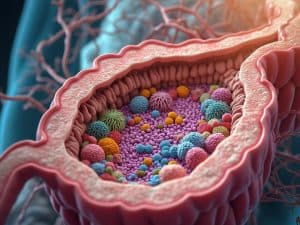
The human gut is home to a complex ecosystem of microorganisms, collectively known as the gut microbiome. This microbial community plays a crucial role in maintaining gut health, regulating immune function, and influencing overall well-being. In recent decades, significant changes in lifestyle and environmental factors have led to alterations in the composition and diversity of the gut microbiome:
- Reduced microbial exposure: The shift away from rural lifestyles and increased hygiene practices has reduced our exposure to a wide range of microbes, including beneficial bacteria, viruses, and even parasites. This reduced microbial diversity may contribute to immune system imbalances and increased susceptibility to inflammatory conditions, including gluten sensitivity.
- Antibiotic use: The widespread use of antibiotics, both in healthcare and in animal agriculture, has been linked to disruptions in the gut microbiome. Antibiotics can indiscriminately kill beneficial bacteria alongside pathogenic ones, potentially leading to an imbalance in the microbial community.
- Cesarean section births: Infants born via cesarean section miss out on the initial exposure to maternal vaginal and fecal microbes that occurs during vaginal delivery. This altered microbial colonization in early life may have long-term implications for gut health and immune function.
- Dietary changes: The modern Western diet, often high in processed foods, refined sugars, and low in fiber, can significantly impact the composition of the gut microbiome. A diet lacking in diverse plant-based foods may fail to provide the necessary substrates for beneficial gut bacteria to thrive.
The Wheat Debate
While the processing and preparation of wheat products have been implicated in the rise of gluten sensitivity, the role of modern wheat varieties themselves has also been a topic of debate. Over the past century, wheat has undergone significant changes through selective breeding and hybridization to improve yield, resistance to pests and diseases, and other desirable traits.
Some experts have suggested that these modern wheat varieties, such as the semi-dwarf wheat commonly grown today, may contain higher levels of gluten proteins compared to ancient wheat varieties. However, the scientific evidence supporting this claim is limited, and many experts believe that the processing and handling of wheat products likely play a more significant role in the increased prevalence of gluten-related disorders.
Navigating a Gluten-Sensitive World
For individuals with celiac disease, strict avoidance of gluten is necessary to prevent intestinal damage and other serious health complications. However, for those with non-celiac gluten sensitivity, the approach to managing symptoms may be more nuanced.
While eliminating gluten from the diet can provide symptom relief for some individuals, it is important to note that many processed gluten-free products are not necessarily healthier alternatives. These products often contain refined starches, added sugars, and unhealthy fats to mimic the taste and texture of their gluten-containing counterparts.
Instead of relying heavily on processed gluten-free foods, experts recommend focusing on a whole-foods-based diet rich in nutrient-dense, naturally gluten-free options such as fruits, vegetables, legumes, nuts, seeds, and gluten-free whole grains like quinoa, rice, and millet. This approach not only minimizes exposure to gluten but also promotes overall gut health and supports a diverse microbiome.
The Path Forward
As the debate surrounding gluten sensitivity continues, it is clear that more research is needed to fully understand the complex interplay of factors contributing to this phenomenon. While genetic predisposition plays a role in celiac disease, the rising prevalence of gluten-related disorders suggests that environmental factors, including changes in food processing, pesticide use, and gut microbiome composition, are likely significant contributors.
Moving forward, a multi-faceted approach that considers the entire food system, from agricultural practices to food processing and preparation methods, may be necessary to address the root causes of gluten sensitivity. Additionally, promoting a diet rich in whole, minimally processed foods and supporting the maintenance of a healthy gut microbiome through lifestyle factors such as regular exercise, stress management, and avoidance of unnecessary antibiotics may help mitigate the impact of gluten-related disorders.
As individuals navigate their own health journeys, it is essential to work closely with healthcare professionals, including registered dietitians and gastroenterologists, to determine the best approach for managing gluten sensitivity based on individual needs and circumstances. With ongoing research and a comprehensive understanding of the factors involved, we can work towards developing targeted interventions and dietary strategies to support optimal health in a gluten-sensitive world.