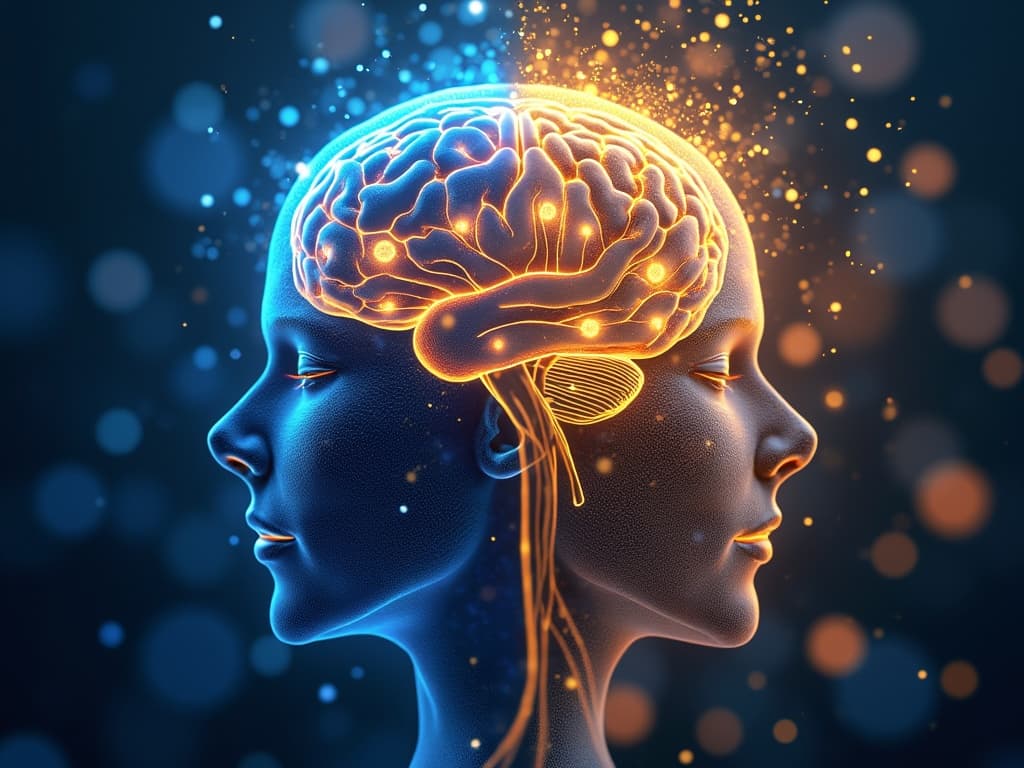



Ancient Medicine Meets Modern Science: Integrating Traditional Healing with Contemporary Healthcare
Introduction
The integration of ancient healing practices with modern medicine represents one of the most significant paradigm shifts in contemporary healthcare. As scientific understanding deepens, researchers are uncovering the physiological mechanisms behind traditional wellness approaches that have been utilized for millennia. This convergence of ancient wisdom and cutting-edge research has created a new frontier in medicine, where evidence-based holistic practices are being successfully implemented alongside conventional treatments to achieve optimal health outcomes.
Recent advances in neuroscience, immunology, and microbiome research have provided compelling evidence for the interconnected nature of human health systems. Studies demonstrate that practices such as meditation and pranayama breathing techniques directly influence autonomic nervous system function, stress response pathways, and inflammatory markers. The clinical applications of these findings have led to the development of standardized protocols that integrate traditional wellness practices into modern medical treatments, resulting in improved patient outcomes across various health conditions.
This comprehensive exploration delves into five critical areas where ancient wisdom meets modern science: the foundations of yogic science in medicine, the mind-body connection and stress response, gut health and holistic wellness, integrative wellness practices, and evidence-based spiritual practices. Each section examines the scientific mechanisms underlying these approaches while providing practical applications for both healthcare practitioners and individuals seeking to optimize their well-being. From the physiological effects of meditation on neuroplasticity to the impact of probiotic supplementation on immune function, this analysis bridges the gap between traditional healing practices and contemporary medical understanding.
Core Concepts
The fundamental principles of integrative medicine rest on the understanding that the human body operates as an interconnected system where physical, mental, and biochemical processes constantly influence each other. This systems-based approach recognizes that traditional practices like meditation and yoga create measurable physiological changes through their effects on the autonomic nervous system (ANS). The ANS, comprising both sympathetic (“fight-or-flight”) and parasympathetic (“rest-and-digest”) branches, serves as a primary mechanism through which mind-body practices influence physical health outcomes.
Central to these ancient-meets-modern approaches is the concept of vagal tone, which refers to the activity of the vagus nerve – the main component of the parasympathetic nervous system. Through specific breathing techniques known as pranayama, practitioners can directly stimulate the vagus nerve, leading to reduced stress response, improved heart rate variability, and enhanced immune function. Research has shown that regular practice of these breathing exercises can create lasting changes in vagal tone, effectively improving the body’s resilience to stress and inflammation.
The physiological impact of these practices extends to the hypothalamic-pituitary-adrenal (HPA) axis, the body’s primary stress response system. When activated by physical or psychological stressors, the HPA axis triggers the release of cortisol and other stress hormones. Chronic elevation of these hormones can lead to various health issues, including immune suppression and metabolic disruption. However, mind-body practices have been shown to modulate HPA axis activity, helping to maintain hormonal balance and reduce the negative effects of chronic stress.
Recent advances in neuroscience have revealed that these practices also influence neuroplasticity – the brain’s ability to form new neural connections and reorganize existing ones. Through regular meditation and mindfulness practices, individuals can actually alter their brain structure and function, particularly in areas associated with attention, emotional regulation, and stress response. These changes have been documented through neuroimaging studies, which show increased gray matter density in regions associated with self-awareness, compassion, and introspection.
The integration of these practices into clinical settings has led to the development of standardized protocols that address specific health conditions. For example, Medical Meditation, a structured approach combining traditional meditation techniques with modern clinical understanding, has been shown to improve outcomes in conditions ranging from chronic pain to anxiety disorders. Similarly, Clinical Yoga Therapy has emerged as a specialized field that adapts traditional yoga practices to meet individual patient needs while adhering to evidence-based medical principles.
The scientific validation of these ancient practices has also shed light on their role in supporting the gut-brain axis, a bidirectional communication system between the central nervous system and the enteric nervous system. This connection explains how stress-reduction practices can improve digestive health and how gut health, in turn, influences mental well-being. Through this understanding, practitioners can develop more effective treatment strategies that address both the physical and psychological aspects of health conditions, creating a truly integrated approach to healing.
Current Understanding
The modern understanding of yogic science in medicine represents a remarkable convergence of ancient wisdom and contemporary research methodologies. Scientific investigation has revealed that traditional practices such as meditation and pranayama directly influence fundamental physiological processes through measurable mechanisms. These practices activate specific neural pathways, particularly through the vagus nerve, leading to enhanced parasympathetic nervous system function and improved stress resilience. Research has demonstrated that regular engagement in these practices can create lasting changes in both brain structure and function, providing a scientific basis for their integration into modern healthcare protocols.
The relationship between mind and body, long recognized in traditional healing systems, has found robust support in current medical research. Studies have shown that psychological states directly influence physical health through multiple pathways, including the hypothalamic-pituitary-adrenal (HPA) axis and the immune system. Chronic stress activation of these systems can lead to widespread inflammation and cellular damage, while stress-reduction practices can help restore balance. Modern neuroimaging techniques have revealed that meditation and mindfulness practices can actually alter brain structure, particularly in regions associated with emotional regulation and stress response, demonstrating the profound impact of these practices on neuroplasticity.
The gut-brain axis has emerged as a crucial pathway through which traditional wellness practices influence overall health. Research has shown that the enteric nervous system, often called the “second brain,” communicates bidirectionally with the central nervous system through various neural, endocrine, and immune pathways. This complex interaction explains how stress-reduction practices can improve digestive health and why maintaining a healthy gut microbiome is essential for mental well-being. The use of specific probiotic strains, particularly soil-based organisms (SBOs), has been shown to support this gut-brain communication system, leading to improved health outcomes.
Integrative wellness practices have evolved to incorporate both traditional wisdom and modern scientific understanding. Morning routine optimization, for example, is now understood to work by aligning daily activities with natural circadian rhythms, thereby optimizing hormone production and cellular repair processes. Digital wellness strategies have become increasingly important as research reveals the impact of technology use on stress levels, sleep quality, and overall health. These contemporary applications of traditional principles demonstrate how ancient practices can be adapted to address modern health challenges while maintaining their fundamental effectiveness.
The clinical application of spiritual practices has gained significant scientific validation through rigorous research protocols. Meditation and breathwork techniques have been shown to influence everything from gene expression to immune function, providing a biological basis for their therapeutic effects. Self-awareness practices, when implemented systematically, can lead to improved emotional regulation and stress response, with measurable changes in inflammatory markers and stress hormone levels. This evidence-based approach to spiritual practices has facilitated their integration into conventional medical settings, where they can be used alongside standard treatments to enhance patient outcomes.
Clinical Applications
Clinical applications of integrative wellness practices require thoughtful implementation strategies that bridge theoretical understanding with practical patient care. Healthcare providers can begin by conducting comprehensive assessments that evaluate not only physical symptoms but also lifestyle factors, stress levels, and mind-body connection awareness. This initial evaluation helps determine which specific interventions from the integrated wellness toolbox – whether meditation protocols, breathing techniques, or lifestyle modifications – will be most beneficial for each patient’s unique circumstances.
Implementation of yogic and mindfulness practices in clinical settings should follow a structured approach that allows for consistent monitoring and adjustment. For example, when introducing pranayama breathing techniques to patients with anxiety or stress-related conditions, practitioners should start with simple exercises like diaphragmatic breathing before progressing to more advanced practices. These techniques can be taught during office visits and supplemented with detailed written instructions or video resources for home practice. Regular follow-up assessments allow clinicians to monitor progress and adjust protocols based on patient response and compliance.
The integration of gut health protocols requires a systematic approach that combines dietary modifications, stress management techniques, and targeted probiotic supplementation. Clinicians should develop clear treatment algorithms that address both acute symptoms and long-term microbiome health. For instance, patients with digestive issues might begin with a basic elimination diet while simultaneously implementing stress-reduction techniques and specific probiotic strains. This multi-faceted approach acknowledges the gut-brain connection discussed earlier and provides practical steps for improving both digestive and mental health outcomes.
Morning routine optimization and digital wellness strategies can be implemented through detailed patient education and graduated lifestyle modifications. Clinicians should provide specific guidance on sleep hygiene, morning light exposure, and technology use boundaries, with clear recommendations for implementing these changes incrementally. For example, patients might start with a 15-minute morning meditation practice and gradually extend the duration while incorporating additional elements such as light exposure and movement. Success often depends on helping patients understand the scientific rationale behind these recommendations while providing realistic implementation strategies that account for their daily schedules and commitments.
To effectively integrate evidence-based spiritual practices into treatment plans, practitioners should establish clear protocols that include specific meditation techniques, breathing exercises, and self-awareness practices tailored to different health conditions. These protocols should include objective measures of progress, such as heart rate variability measurements, stress hormone levels, or validated questionnaires assessing quality of life and symptom improvement. Regular monitoring of these metrics helps demonstrate the effectiveness of interventions while providing concrete feedback to both practitioners and patients about their progress in the healing journey.
Future Implications
As research continues to validate traditional healing practices through modern scientific methods, the future of integrative medicine appears poised for significant advancement. Current trends suggest that artificial intelligence and machine learning algorithms will play an increasingly important role in personalizing mind-body interventions. These technologies could analyze individual physiological responses to different practices, potentially leading to highly customized protocols that optimize the timing, duration, and specific techniques for each person’s unique nervous system patterns and genetic predispositions.
The emerging field of psychoneuroimmunology, combined with advances in wearable technology, may revolutionize how we implement and monitor integrative wellness practices. Future devices could provide real-time feedback on vagal tone, inflammatory markers, and stress hormone levels, allowing for precise adjustments to meditation and breathing practices. This technological integration could enable healthcare providers to track the effectiveness of interventions more accurately while providing patients with immediate feedback on their practice’s physiological impacts. Such developments might lead to the creation of “digital therapeutics” that combine traditional practices with modern biofeedback systems.
The growing understanding of the gut-brain axis and its role in overall health suggests that future treatments will increasingly focus on the microbiome’s influence on mental and physical well-being. Research is likely to uncover more specific mechanisms by which traditional practices influence gut health, potentially leading to new therapeutic approaches that combine targeted probiotic interventions with mind-body practices. We may see the development of specialized protocols that synchronize meditation and breathing practices with specific phases of microbiome restoration, creating more effective treatments for both psychological and digestive disorders. Additionally, advances in metabolomics and genomics could enable practitioners to precisely tailor these integrated approaches based on individual microbiome profiles and genetic predispositions to stress response patterns.
Practical Considerations
Practical implementation of integrative wellness practices requires careful consideration of several key factors to ensure successful outcomes. First, practitioners must recognize that patient readiness and compliance are fundamental challenges. A graduated approach that introduces concepts and practices incrementally often proves more effective than attempting comprehensive lifestyle changes simultaneously. For example, when implementing meditation protocols, begin with short 5-minute sessions focused on simple breathing awareness before progressing to longer durations or more complex techniques. This allows patients to build confidence and experience early successes, increasing the likelihood of long-term adherence.
Common barriers to successful implementation include time constraints, skepticism about effectiveness, and difficulty maintaining consistent practice. To address these challenges, practitioners should provide clear scientific evidence supporting recommended interventions while helping patients identify specific time blocks in their daily schedule for practice. Creating accountability systems through regular check-ins, progress tracking apps, or group support programs can significantly improve compliance. Additionally, helping patients understand the connection between their current symptoms and the physiological mechanisms influenced by these practices – such as the relationship between breathing patterns and vagal tone – can increase motivation and commitment to the protocol.
Integration of gut health protocols presents unique challenges, particularly regarding dietary modifications and probiotic supplementation. Practitioners should develop clear, staged implementation plans that account for individual lifestyle factors and potential die-off reactions. Starting with small dietary changes while gradually introducing probiotic supplements can help minimize adverse reactions and improve compliance. It’s crucial to educate patients about the gut-brain axis and how stress reduction practices support digestive health, creating a comprehensive understanding that motivates adherence to both dietary and mind-body interventions.
Technology integration and digital wellness strategies require careful balance in today’s connected world. While digital tools can support practice through meditation apps and tracking devices, they can also become sources of distraction and stress. Practitioners should guide patients in creating healthy boundaries around technology use while leveraging digital tools that enhance rather than detract from their wellness practice. This might include establishing specific times for checking devices, using apps that promote mindfulness rather than distraction, and creating technology-free spaces for meditation and relaxation practices. Regular assessment of digital habits and their impact on stress levels helps refine these boundaries over time.
Environmental and social factors significantly influence the success of integrative wellness practices. Practitioners should help patients create supportive environments that facilitate regular practice, whether through dedicated meditation spaces at home or workplace wellness programs. Addressing potential resistance from family members or colleagues through education and involvement can help create a more supportive social environment. Additionally, connecting patients with community resources, such as yoga studios or meditation groups, can provide valuable support systems that reinforce personal practice and maintain long-term engagement with wellness protocols.
Frequently Asked Questions
How do ancient practices like meditation and yoga actually affect my physical health?
Ancient practices primarily influence health through their effects on the autonomic nervous system (ANS) and stress response pathways. When you practice meditation or yoga, you activate the parasympathetic nervous system (the “rest-and-digest” response) while reducing sympathetic (“fight-or-flight”) activity. This shift is facilitated through the vagus nerve, which helps regulate heart rate, digestion, and immune function.
Scientific research has shown that regular practice leads to measurable changes in brain structure, improved heart rate variability, reduced inflammation, and enhanced immune function. These physiological changes contribute to better stress resilience, improved mental health, and reduced risk of chronic diseases.
What is vagal tone and why is it important for my health?
Vagal tone refers to the activity and strength of your vagus nerve, which is the main component of your parasympathetic nervous system. Higher vagal tone indicates better ability to regulate stress, maintain emotional balance, and support healthy organ function. Think of it as a measure of your body’s ability to return to a calm, balanced state after experiencing stress.
You can improve your vagal tone through specific breathing practices (pranayama), meditation, and yoga. Enhanced vagal tone is associated with better heart health, improved digestion, reduced inflammation, and greater emotional resilience. Regular practice of these techniques can create lasting improvements in your vagal tone and overall health.
How does stress affect my gut health, and what can I do about it?
Stress directly impacts gut health through the gut-brain axis, a bidirectional communication system between your central nervous system and digestive system. When you’re stressed, your body releases cortisol and other stress hormones that can disrupt digestive function, alter gut bacteria composition, and increase inflammation in the digestive tract.
To improve gut health, a multi-faceted approach is recommended: regular stress-reduction practices like meditation, proper probiotic supplementation (especially soil-based organisms), and mindful eating practices. These interventions work together to support healthy gut function by reducing stress-induced inflammation, promoting beneficial bacteria growth, and enhancing the gut-brain connection.
How long does it take to see benefits from meditation and breathwork?
While some benefits of meditation and breathwork can be felt immediately, such as reduced anxiety and improved focus, lasting physiological changes typically develop over time. Research shows that significant changes in brain structure can occur within 8 weeks of regular practice, while improvements in immune function and inflammatory markers may be observed within 3-6 months of consistent practice.
The key to experiencing benefits is regular, consistent practice rather than duration. Starting with just 5-10 minutes daily of simple breathing exercises or meditation can lead to meaningful improvements. As your practice develops, you may naturally extend the duration and complexity of your sessions.
How can I integrate these practices into my busy daily routine?
Integration of wellness practices is most successful when aligned with your existing daily rhythm and started gradually. Begin by identifying natural transition points in your day – such as first thing in the morning, lunch breaks, or before bed – where you can incorporate short practices. For example, start with 5 minutes of morning meditation or breathing exercises before checking your phone.
Create a supportive environment by designating a specific space for practice and using technology mindfully. Set reminders for practice sessions and track your progress to maintain motivation. Remember that consistency is more important than duration – regular short sessions are more beneficial than occasional long ones. As these practices become habitual, you can gradually expand their scope and duration.
Closing
The convergence of ancient healing wisdom with modern scientific understanding represents a pivotal development in healthcare, offering evidence-based approaches to optimize both physical and mental wellbeing. Through rigorous research, we now understand the physiological mechanisms behind traditional practices, from the vagal tone modulation through pranayama breathing to the complex interactions of the gut-brain axis. This scientific validation has enabled the development of standardized protocols that effectively integrate these time-tested practices into contemporary medical treatment plans, while maintaining their essential therapeutic benefits.
As we look to the future, the field of integrative medicine stands at the threshold of significant advancement through technological innovation and deeper scientific understanding. The integration of artificial intelligence, wearable technology, and precision medicine promises to enhance our ability to personalize these ancient practices for individual needs. Emerging research in psychoneuroimmunology and microbiome science continues to reveal new connections between traditional practices and human health, suggesting even broader applications for these integrated approaches in treating both acute and chronic conditions. These developments, combined with growing public interest in holistic health solutions, indicate a promising future where ancient wisdom and modern science work in harmony to advance human health and wellbeing.
The successful implementation of these practices requires a balanced approach that honors both traditional wisdom and scientific rigor while remaining accessible to modern practitioners and patients. As we continue to uncover the mechanisms behind these ancient practices, their role in healthcare will likely expand, offering more comprehensive and effective solutions for the complex health challenges of our time. This evolution in medical practice represents not just a merging of old and new, but the emergence of a more complete and nuanced understanding of human health and healing.