


Cutting-Edge Wellness: Exploring Peptide Therapy, Castor Oil Packs, and Optimizing Sauna Use

In the ever-evolving world of health and wellness, staying informed about the latest trends and therapies is crucial for both medical professionals and health-conscious individuals. This article delves into three trending topics: peptide therapy, castor oil packs, and the optimal timing of saunas, cold plunges, and workouts. By examining the potential benefits, mechanisms of action, and practical applications of these modalities, readers can make informed decisions about incorporating them into their health routines.
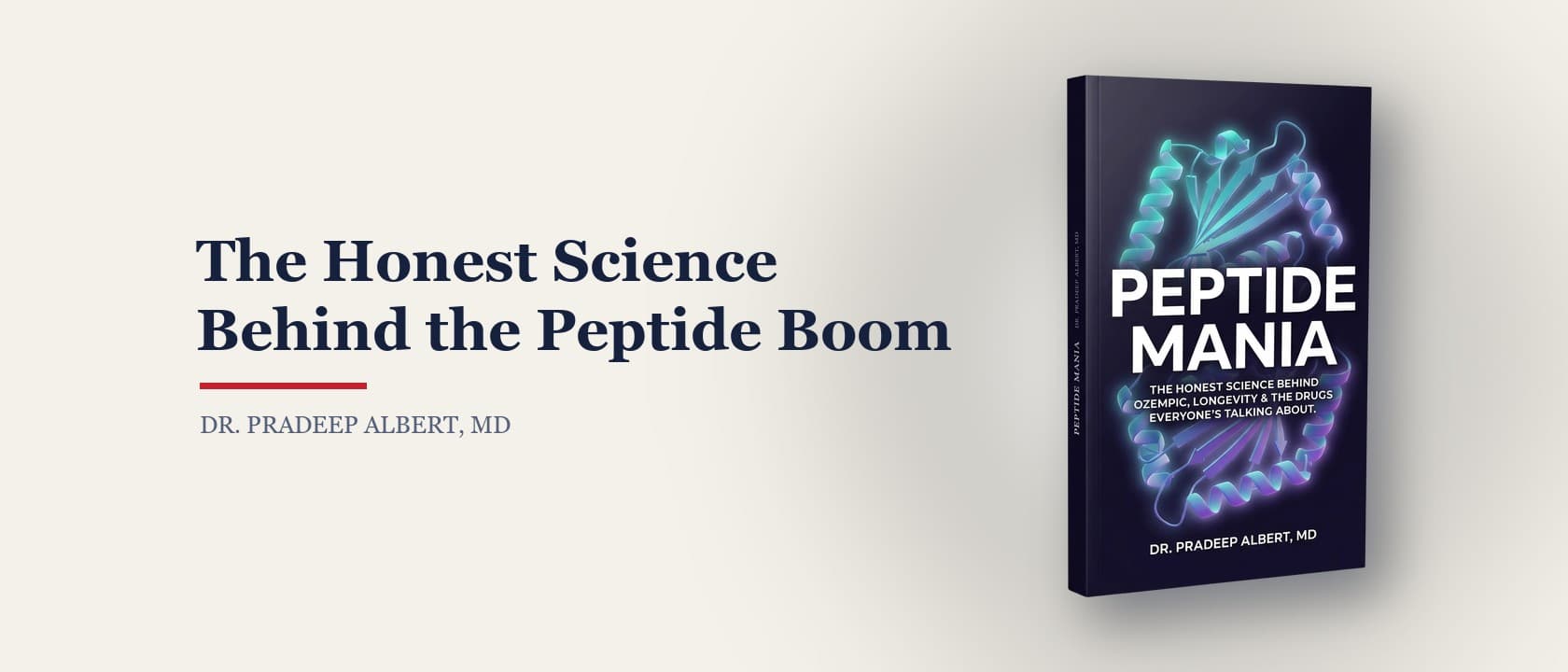
Peptide Therapy: A Promising Avenue for Targeted Health Support
Peptide therapy has gained significant attention in recent years, with numerous studies exploring the potential benefits of various peptides for health and wellness. Peptides are short chains of amino acids that can regulate and modulate various bodily functions, making them a promising tool for targeted health support.
BPC-157: Supporting Gut Health and Wound Healing
BPC-157, or Body Protection Compound-157, is a peptide that has shown promise in promoting gut health and wound healing. Research suggests that BPC-157 may stimulate angiogenesis, the formation of new blood vessels, and promote the regeneration of damaged gut lining. Additionally, BPC-157 has been linked to potential benefits for neurological and musculoskeletal health.
Copper Peptides: Enhancing Skin Health
Copper peptides have gained popularity in the skincare industry for their potential to support skin health and repair. These peptides can be applied topically or administered through injections, with studies suggesting benefits such as improved skin elasticity, reduced inflammation, and enhanced wound healing.
Thymosin Alpha 1: Boosting Immune Function
Thymosin Alpha 1 is a peptide that has been studied for its immunomodulatory effects. Research indicates that Thymosin Alpha 1 may have antibacterial, antiviral, and antifungal properties, making it a potential tool for supporting immune function and combating chronic infections.
While peptide therapy shows promise, it is essential to acknowledge that more research is needed to fully understand the long-term effects and potential risks. Consulting with a qualified healthcare professional is crucial before incorporating peptide therapy into a health regimen.
Castor Oil Packs: A Traditional Remedy for Detoxification and Wellness
Castor oil packs have been used for centuries as a natural remedy for various health concerns. Made from the oil of the castor bean plant, these packs are believed to support detoxification, improve circulation, and alleviate inflammation.
How Castor Oil Packs Work
Castor oil contains ricinoleic acid, a unique fatty acid with anti-inflammatory and analgesic properties. When applied topically, castor oil is absorbed through the skin, potentially promoting lymphatic drainage, reducing inflammation, and supporting organ function.
Applying Castor Oil Packs
To use a castor oil pack, a cloth is soaked in high-quality, organic castor oil and placed over the target area, typically the liver or abdomen. The pack is then covered with a heat source, such as a heating pad, and left in place for approximately 30-60 minutes. Regular use of castor oil packs may support detoxification, improve digestion, and alleviate menstrual cramps.
While castor oil packs are generally considered safe, it is important to use high-quality, organic castor oil and to avoid use during pregnancy or if you have certain medical conditions. Consulting with a healthcare professional before starting any new wellness practice is always recommended.
Optimizing Sauna Use: Timing Matters
Saunas have been used for centuries for relaxation, detoxification, and overall wellness. However, the timing of sauna use in relation to other wellness practices, such as cold plunges and workouts, can impact the desired benefits.
Sauna and Muscle Building
When it comes to muscle building, the timing of sauna use is crucial. Engaging in a sauna session immediately after a workout may hinder the muscle-building process. Exercise causes micro-tears in the muscles, which, when repaired, lead to increased strength and muscle growth. The heat from a sauna can potentially interfere with this repair process. Therefore, it is recommended to wait at least 5-8 hours after a workout before using a sauna for those looking to optimize muscle growth.
Cold Plunges and Workouts
Cold plunges, or cold water immersion, have gained popularity for their potential to reduce inflammation and speed up recovery after exercise. However, the timing of cold plunges is also important. Engaging in a cold plunge immediately after a workout may counteract the desired muscle-building effects. Instead, it is recommended to do a cold plunge before a workout or wait several hours after exercising to allow the body’s natural inflammatory response to run its course.
Sauna and Detoxification
Saunas can be a valuable tool for supporting detoxification through sweating. However, some individuals may have difficulty sweating due to various factors, such as genetics or certain health conditions. In these cases, a gradual approach to sauna use is recommended. Starting with shorter sessions and slowly increasing duration and frequency can help the body adapt and promote sweating. The use of binders, such as activated charcoal or bentonite clay, may also support detoxification, particularly for those who are sensitive to detox reactions.
Incorporating saunas, cold plunges, and workouts into a wellness routine can offer numerous benefits, but optimal timing and individual factors must be considered. Listening to your body and consulting with a healthcare professional can help you create a personalized plan that maximizes the benefits of these practices.
The Importance of Informed Decision Making
As with any health and wellness trend, it is essential to approach peptide therapy, castor oil packs, and sauna use with a critical and informed perspective. While these modalities show promise, individual responses can vary, and more research is needed to fully understand their long-term effects and potential risks.
When considering incorporating these practices into your wellness routine, it is crucial to consult with a knowledgeable healthcare professional who can provide personalized guidance based on your unique health status and goals. They can help you navigate the available research, weigh the potential benefits and risks, and develop a safe and effective plan tailored to your needs.
Remember, the key to sustainable health and wellness is a holistic approach that encompasses a balanced diet, regular physical activity, stress management, and adequate sleep. While cutting-edge therapies and traditional remedies can be valuable tools, they should be used in conjunction with a foundation of healthy lifestyle habits.
As always, stay informed, consult with trusted professionals, and listen to your body as you explore the ever-evolving world of health and wellness.