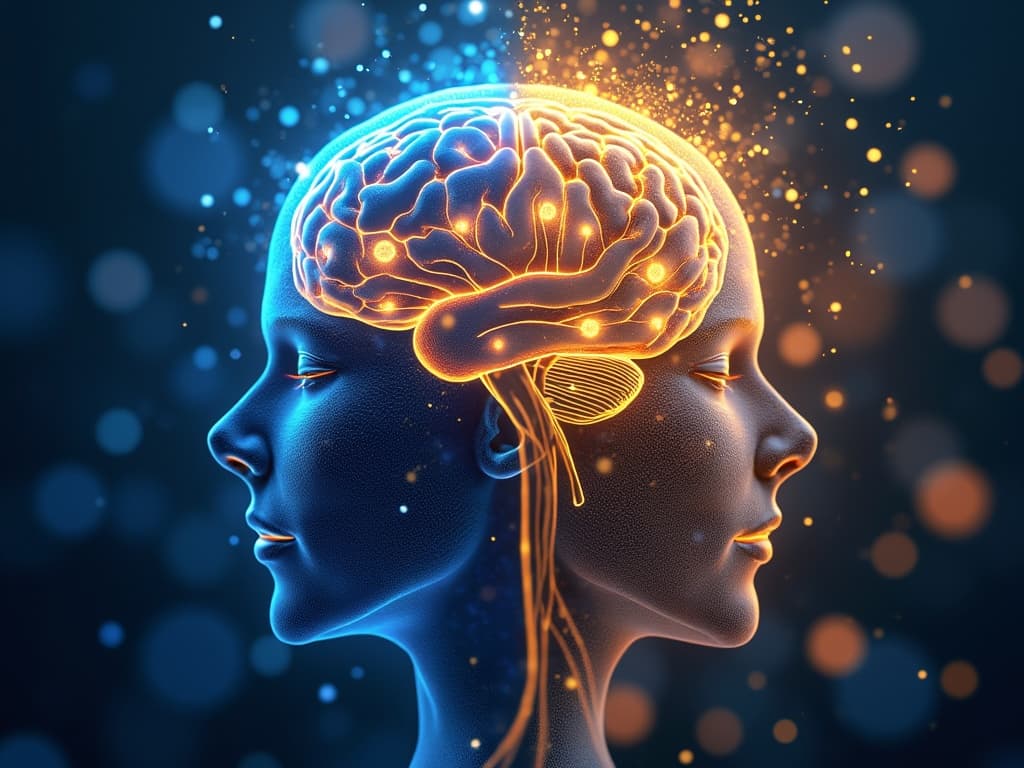



From Addiction to Wholeness: The Integration of Holistic Healing in Recovery Medicine
Introduction
The intersection of addiction recovery and holistic healing represents one of the most promising frontiers in modern medicine. As our understanding of neuroplasticity and brain function continues to evolve, we are discovering that sustainable recovery requires more than traditional medication-based approaches. The human brain’s remarkable ability to forge new neural pathways and heal from the impacts of substance dependency opens up unprecedented possibilities for integration of both conventional and alternative healing modalities.
Recent advances in psychoneuroimmunology have demonstrated the intricate connection between mental health, physical wellness, and spiritual well-being in the recovery process. Research indicates that individuals who engage in comprehensive healing approaches, addressing both neurobiological and psychological aspects of addiction, show significantly higher rates of sustained recovery. This evidence has catalyzed a paradigm shift in rehabilitation practices, moving from purely physiological treatment models to more integrative frameworks that acknowledge the complex interplay between mind, body, and consciousness.
This comprehensive exploration delves into four critical dimensions of holistic recovery: the fundamental journey from addiction to wellness, the essential mind-body connection in recovery, evidence-based wellness practices, and the integration of traditional and modern healing approaches. By examining the latest research in neuroplasticity, biohacking techniques, and consciousness studies, we illuminate the pathways through which individuals can optimize their recovery journey. Special attention is given to practical applications of cutting-edge research, including cold therapy, nutritional supplementation, and evidence-based spiritual practices, all of which contribute to a robust framework for sustainable transformation.
The convergence of scientific understanding and holistic healing methodologies presents an unprecedented opportunity to enhance addiction recovery outcomes. By synthesizing traditional wisdom with modern medical advances, we can create more effective, personalized approaches to healing that address the full spectrum of human experience. This integration not only supports immediate recovery goals but also establishes the foundation for long-term wellness and personal transformation.
Core Concepts
At the core of modern addiction recovery lies the concept of neuroplasticity, the brain’s remarkable ability to form new neural connections and reorganize existing ones. This biological mechanism enables individuals to develop healthier response patterns and behaviors, effectively rewiring neural pathways that were altered during substance dependency. Understanding neuroplasticity is crucial because it provides the scientific foundation for why various recovery approaches can create lasting change in the brain’s structure and function, offering hope for sustainable transformation even after prolonged substance use.
The body’s stress response system, regulated by the autonomic nervous system, plays a pivotal role in both addiction and recovery. When individuals experience chronic stress or trauma, the sympathetic nervous system becomes hyperactive, creating a physiological state that can perpetuate addictive behaviors. Recovery practices that activate the parasympathetic nervous system, such as meditation, breathwork, and mindfulness, help restore balance to this system. This restoration process is essential for breaking the cycle of stress-induced substance use and establishing healthier coping mechanisms.
Psychoneuroimmunology, the study of how psychological processes influence the nervous and immune systems, reveals the intricate relationship between emotional well-being and physical health during recovery. Research shows that negative emotional states can suppress immune function and increase inflammation, while positive psychological states enhance healing and recovery. This understanding has led to the development of integrated treatment approaches that simultaneously address psychological trauma, immune system function, and addiction recovery through various modalities including nutrition, exercise, and stress management techniques.
The concept of homeostasis, or the body’s ability to maintain internal balance, emerges as another crucial factor in recovery. Substance use disrupts natural homeostatic mechanisms, creating dependency cycles that can be difficult to break. Evidence-based wellness practices such as cold therapy, nutritional supplementation, and regular exercise help restore these natural balance mechanisms. Cold therapy, for instance, has been shown to increase norepinephrine levels and reduce inflammation, while proper nutrition supports neurotransmitter production and brain healing.
Consciousness and mindfulness practices represent a bridge between traditional healing wisdom and modern neuroscience. Research in neural integration demonstrates that mindfulness practices strengthen connections between different brain regions, particularly those involved in self-awareness and emotional regulation. This integration is fundamental to recovery, as it enables individuals to develop greater awareness of triggers, emotional states, and behavioral patterns while fostering the development of more effective coping strategies.
The concept of neurological optimization through biohacking techniques represents the cutting edge of recovery science. These evidence-based approaches utilize various interventions to enhance brain function and support recovery. From light therapy that regulates circadian rhythms to neurofeedback that helps individuals develop better emotional regulation, these techniques provide powerful tools for optimizing brain function and supporting long-term recovery. When combined with traditional recovery approaches, these optimization strategies create a comprehensive framework for sustainable healing and transformation.
Current Understanding
The integration of holistic healing approaches with traditional addiction recovery methods represents a significant advancement in treatment efficacy. Current research demonstrates that addressing addiction through multiple therapeutic channels – physical, psychological, and neurological – creates a more robust foundation for lasting recovery. This comprehensive approach acknowledges that addiction affects not just isolated neural pathways, but rather involves complex interactions between brain chemistry, emotional regulation systems, and physiological processes throughout the body.
Neuroplasticity emerges as a central mechanism in the recovery process, offering scientific validation for the brain’s capacity to heal and reorganize itself. This biological phenomenon explains how repeated exposure to healthy behaviors and supportive environments can literally reshape neural pathways that were previously dominated by addictive patterns. Recent studies in neuroplasticity have shown that activities such as meditation, physical exercise, and therapeutic interventions can strengthen prefrontal cortex function, enhancing decision-making capabilities and emotional regulation – critical factors in maintaining long-term sobriety.
The mind-body connection in recovery is further illuminated through advances in psychoneuroimmunology, which reveals how psychological states directly influence physical health outcomes. Chronic stress and trauma, common factors in addiction, can suppress immune function and increase inflammation throughout the body. However, research shows that integrative healing practices such as mindfulness meditation, yoga, and breathing exercises can effectively counter these negative effects by reducing cortisol levels and promoting parasympathetic nervous system activation. This scientific understanding provides a clear rationale for incorporating stress-reduction techniques into traditional recovery protocols.
Modern biohacking approaches are introducing innovative methods to optimize recovery outcomes. Cold therapy, for instance, has been shown to increase norepinephrine levels and reduce inflammation, while targeted nutritional supplementation supports neurotransmitter production and brain healing. These evidence-based interventions, when combined with traditional recovery methods, create a more comprehensive healing framework. The integration of these approaches helps address both the immediate challenges of withdrawal and the longer-term goals of sustainable recovery.
The emerging field of consciousness studies provides valuable insights into the role of awareness and intentional practice in recovery. Research indicates that mindfulness-based interventions strengthen neural integration, particularly in areas responsible for self-regulation and emotional processing. This enhanced neural connectivity supports better decision-making and impulse control, while also fostering the development of healthier coping mechanisms. The integration of consciousness-based practices with traditional recovery methods creates a more nuanced and effective approach to addressing the complex challenges of addiction recovery.
Clinical Applications
Clinical implementation of holistic recovery principles requires a structured, patient-centered approach that integrates multiple therapeutic modalities. Practitioners should begin with a comprehensive assessment that evaluates not only substance use patterns but also neurological function, stress response systems, nutritional status, and psychological well-being. This initial evaluation helps identify specific areas where targeted interventions may be most beneficial and allows for the development of personalized treatment protocols that address both immediate recovery needs and long-term wellness goals.
The practical application of neuroplasticity principles in clinical settings involves creating structured opportunities for positive neural reorganization. This can be accomplished through a combination of cognitive behavioral therapy, mindfulness training, and targeted lifestyle interventions. Clinicians should establish clear protocols for daily practice, typically beginning with short, manageable sessions of meditation or breathwork (5-10 minutes) and gradually increasing duration and complexity as patients develop greater capacity for self-regulation. Regular monitoring of progress through standardized assessments and biomarkers helps track improvements in neural function and stress response patterns.
Implementation of cold therapy and other biohacking techniques requires careful attention to individual patient tolerances and medical conditions. A typical protocol might begin with mild cold exposure (such as 30-second cold showers) and progressively advance to more intensive applications (like 2-3 minute full immersion at 50-60°F). Nutritional support should be precisely tailored, with particular attention to compounds that support neurotransmitter production and reduce inflammation. Common supplements include omega-3 fatty acids (2-3g daily), magnesium (300-400mg daily), and B-complex vitamins, though dosages should be adjusted based on individual patient needs and medical supervision.
The integration of consciousness-based practices into clinical treatment requires systematic implementation and careful documentation. Practitioners should establish clear protocols for teaching mindfulness techniques, beginning with basic awareness exercises and progressing to more advanced practices as patients demonstrate mastery. Regular assessment of progress through validated measures of mindfulness and emotional regulation helps track therapeutic outcomes. Clinicians should also maintain detailed records of which practices prove most effective for different patient populations, allowing for continuous refinement of treatment approaches and the development of more targeted interventions.
Creating sustainable recovery programs requires attention to both immediate therapeutic needs and long-term maintenance strategies. Clinical protocols should include clear transition plans that help patients move from intensive treatment phases to sustainable self-management practices. This typically involves establishing regular check-in schedules, developing crisis management plans, and creating support networks that can help maintain recovery progress. Practitioners should also implement regular outcome assessments that track multiple dimensions of wellness, including physical health markers, psychological well-being, and social functioning, to ensure comprehensive monitoring of recovery progress.
Future Implications
The future of holistic addiction recovery appears poised for significant advancement through the convergence of neurotechnology and personalized medicine. Current developments in brain imaging and neurological monitoring suggest that within the next decade, practitioners may be able to create highly individualized treatment protocols based on real-time neural feedback. This capability could allow for precise targeting of interventions, with treatment approaches automatically adjusted based on measurable changes in brain function, stress response patterns, and neurochemical balance. Such technological integration would enable a more nuanced and effective application of both traditional and holistic healing methods.
The emerging field of epigenetics, combined with advances in artificial intelligence, suggests a future where recovery programs can be tailored to an individual’s genetic predispositions and environmental factors. Research indicates that specific genetic markers influence both addiction susceptibility and treatment response, while AI algorithms could potentially predict which combinations of interventions will be most effective for each individual. This personalized approach might include customized protocols integrating traditional recovery methods with precise applications of nutrition, movement, and mind-body practices, all optimized for the individual’s unique genetic and neurological profile.
Technological innovations in portable biofeedback devices and neural monitoring systems point toward a future where individuals in recovery can receive continuous support and adjustment of their healing protocols. Wearable devices that monitor stress levels, sleep patterns, and nervous system activation could provide real-time feedback and automatically suggest appropriate interventions, from breathing exercises to specific nutritional supplements. This technology-enhanced approach to recovery could dramatically improve outcomes by providing immediate intervention before stress or craving patterns escalate into relapse behaviors. Furthermore, the integration of virtual and augmented reality technologies may offer new ways to practice coping skills and stress management techniques in safe, controlled environments that simulate challenging real-world situations.
Looking further ahead, developments in neuroplasticity-focused treatments and consciousness research suggest the potential for more sophisticated approaches to rewiring addictive patterns in the brain. Advanced meditation technologies, combined with targeted neurological stimulation and personalized biochemical support, might enable more rapid and lasting changes in neural pathways associated with addiction. These developments, while maintaining scientific credibility, point toward a future where recovery programs can more effectively leverage the brain’s natural healing capabilities, potentially reducing recovery times and improving long-term outcomes through precisely targeted holistic interventions.
Practical Considerations
The practical implementation of holistic recovery approaches requires careful attention to several key factors that can significantly impact treatment success. First, practitioners must establish clear protocols for assessment and monitoring that incorporate both traditional medical metrics and holistic wellness indicators. This includes regular evaluation of neurological function through standardized tests, tracking of stress response patterns using heart rate variability and other biomarkers, and assessment of psychological well-being through validated instruments. Creating a comprehensive baseline and monitoring system allows for more precise tailoring of interventions and better tracking of progress across multiple dimensions of recovery.
Common challenges in implementing holistic recovery programs often center around patient adherence and integration of multiple therapeutic modalities. To address these challenges, practitioners should develop structured yet flexible treatment protocols that gradually introduce new practices while maintaining core recovery supports. For example, meditation practices might begin with guided sessions of just 5-10 minutes, progressively increasing in duration and complexity as patients develop greater capacity for self-regulation. Similarly, physical practices like cold therapy should be introduced gradually, starting with brief exposures and slowly building tolerance to avoid overwhelming patients’ adaptive capacities.
Resource allocation and staff training present another significant consideration in implementing comprehensive recovery programs. Clinical teams need specific training in both traditional addiction recovery methods and holistic healing approaches to effectively integrate these modalities. This includes understanding the neurobiological basis of various interventions, recognizing appropriate applications and contraindications, and developing skills in teaching mind-body practices. Regular team meetings to review patient progress and adjust treatment protocols help ensure consistent application of integrated approaches while maintaining high standards of care.
Practical solutions for sustainable implementation include developing clear documentation systems that track both objective measures (such as biomarkers and standardized assessments) and subjective experiences (including patient feedback and observed behavioral changes). Creating detailed treatment manuals that outline specific protocols while allowing for individualization helps maintain treatment fidelity while accommodating patient-specific needs. Additionally, establishing partnerships with complementary healthcare providers and community resources can help create more comprehensive support networks for patients in recovery, ensuring access to various therapeutic modalities and extending the reach of holistic healing approaches beyond the clinical setting.
The successful integration of holistic approaches also requires careful attention to timing and sequencing of interventions. Practitioners should consider the natural progression of recovery, introducing more advanced practices only after patients have established fundamental stability in their recovery journey. This might involve starting with basic stress reduction techniques and gradually incorporating more complex interventions like advanced meditation practices or intensive physical protocols. Throughout this process, maintaining clear communication with patients about treatment rationale and expected outcomes helps build engagement and supports long-term adherence to recovery practices.
Frequently Asked Questions About Holistic Addiction Recovery
How does neuroplasticity contribute to addiction recovery?
Neuroplasticity plays a crucial role in recovery by allowing the brain to form new neural pathways and heal from the effects of substance use. This biological mechanism enables individuals to develop healthier response patterns and behaviors, effectively rewiring neural circuits that were altered during addiction. When we engage in healthy practices like meditation, exercise, or therapy, we strengthen these new neural pathways, making them stronger over time while the old addiction-related pathways become weaker through disuse.
What role does stress management play in preventing relapse?
Stress management is fundamental to relapse prevention because chronic stress can trigger addictive behaviors and suppress immune function. The body’s stress response system, when overwhelmed, can lead to increased cravings and vulnerable emotional states. Incorporating stress-reduction techniques such as meditation, breathwork, or yoga helps activate the parasympathetic nervous system, creating a state of calm that strengthens recovery. Regular practice of these techniques builds resilience and provides healthy alternatives to substance use for coping with stress.
How do cold therapy and other biohacking techniques support recovery?
Cold therapy and biohacking techniques support recovery by optimizing brain function and reducing inflammation throughout the body. Cold exposure has been shown to increase norepinephrine levels, improve mood, and enhance immune function. Other biohacking approaches, such as light therapy and nutritional supplementation, help restore natural circadian rhythms and support neurotransmitter production. These practices work together to create optimal conditions for healing and maintaining long-term sobriety.
What makes an integrative approach more effective than traditional recovery methods alone?
An integrative approach combines the best of traditional recovery methods with evidence-based holistic practices, addressing multiple aspects of healing simultaneously. This comprehensive strategy targets not only the addiction itself but also underlying factors such as trauma, nutritional deficiencies, and stress response patterns. Research shows that addressing these multiple dimensions of wellness leads to better outcomes and lower relapse rates compared to single-modality approaches.
How long does it typically take to see results from holistic recovery practices?
The timeline for seeing results from holistic recovery practices varies by individual, but many people report experiencing initial improvements in sleep, mood, and stress levels within the first 2-4 weeks of consistent practice. More substantial changes in neural patterns and behavioral responses typically become noticeable after 3-6 months of dedicated practice. It’s important to remember that healing is a gradual process, and sustainable recovery requires long-term commitment to these practices even after initial improvements are observed.
Is it necessary to incorporate all holistic practices to achieve successful recovery?
No, it’s not necessary to incorporate every holistic practice to achieve successful recovery. The key is finding a combination of practices that works best for your individual needs and circumstances. Starting with one or two core practices, such as meditation and proper nutrition, and gradually adding others as you build capacity often leads to better long-term adherence. Working with healthcare providers to develop a personalized plan that aligns with your goals and lifestyle will yield the most sustainable results.
Closing
The integration of holistic healing approaches with conventional addiction recovery represents a pivotal advancement in our understanding of sustainable wellness. Through the lens of neuroplasticity and psychoneuroimmunology, we now recognize that successful recovery demands a comprehensive approach that addresses the intricate connections between brain function, emotional wellbeing, and physical health. The evidence supporting mind-body practices, biohacking techniques, and consciousness-based interventions provides a robust framework for developing more effective treatment protocols that can be tailored to individual needs and circumstances.
As we look to the future, the convergence of traditional wisdom with cutting-edge neuroscience promises even more sophisticated approaches to addiction recovery. Emerging technologies in neural monitoring, personalized medicine, and artificial intelligence will likely enable increasingly precise interventions that can be adjusted in real-time based on individual response patterns. This evolution in treatment methodology, combined with deeper understanding of epigenetic factors and consciousness studies, suggests a future where recovery programs can achieve higher success rates through carefully calibrated combinations of traditional and holistic healing methods.
The journey from addiction to wellness is ultimately a testament to the remarkable resilience of the human spirit and the brain’s capacity for healing and transformation. By embracing an integrative approach that honors both scientific advancement and time-tested healing practices, we can continue to develop more effective pathways to recovery. This holistic framework not only supports immediate recovery goals but also establishes the foundation for lasting transformation and optimal wellbeing, offering hope and practical solutions for individuals seeking sustainable recovery in an increasingly complex world.