


Multiple Sclerosis: A Comprehensive Functional Medicine Approach to Treatment and Management
Introduction
Multiple Sclerosis (MS) represents one of the most complex and challenging autoimmune conditions affecting the central nervous system, impacting over 2.8 million people worldwide. This chronic neurological disorder disrupts the vital communication pathways between the brain and body, leading to a diverse array of symptoms that can significantly affect quality of life. As the immune system mistakenly attacks the protective myelin sheath surrounding nerve fibers, patients experience varying degrees of neurological dysfunction, creating a unique medical challenge that requires comprehensive understanding and innovative treatment approaches.
The prevalence of MS has increased significantly over the past several decades, with particularly high rates in North America, Europe, and Australasia. This rising incidence has prompted extensive research into both conventional and functional medicine approaches to treatment, revealing new insights into the complex interplay between environmental factors, genetic predisposition, and immune system dysfunction. Modern research has identified crucial connections between gut health, environmental toxins, viral triggers, and the development of MS, leading to more integrated treatment strategies that address multiple aspects of the disease process.
In response to these developments, the medical community has expanded its approach to MS management beyond traditional pharmaceutical interventions. Functional medicine practitioners are now incorporating evidence-based nutritional protocols, targeted supplementation, and lifestyle modifications alongside conventional treatments. This comprehensive approach considers the unique biochemical individuality of each patient while addressing root causes that may contribute to disease progression. Through this holistic lens, practitioners are witnessing remarkable cases of symptom improvement and enhanced quality of life among MS patients who adopt these integrated strategies.
This article explores the multifaceted nature of Multiple Sclerosis, beginning with a detailed examination of its pathophysiology and demographic patterns. We will delve into the environmental and physiological triggers that contribute to its development, followed by an in-depth discussion of functional medicine treatment strategies that have shown promise in managing symptoms and supporting recovery. Finally, we will present real-world success stories that demonstrate the potential for improved outcomes through comprehensive treatment approaches, providing hope and practical guidance for those affected by this challenging condition.
Core Concepts
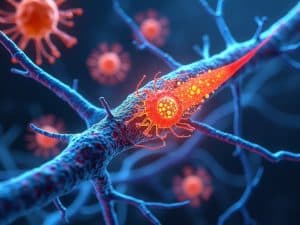
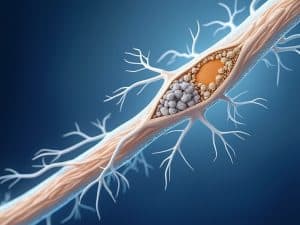
The pathophysiology of Multiple Sclerosis centers on the complex interaction between the immune system and the central nervous system. At its core, MS involves an abnormal immune response where the body’s defense mechanisms mistakenly target myelin, the protective fatty coating that surrounds nerve fibers. This myelin sheath acts like insulation around electrical wiring, allowing nerve signals to travel quickly and efficiently throughout the body. When myelin becomes damaged through this autoimmune attack, a process called demyelination occurs, leading to the formation of scar tissue (sclerosis) in multiple areas of the central nervous system.
The progression of MS typically follows several distinct patterns, though individual experiences can vary significantly. In relapsing-remitting MS, the most common form, patients experience periods of acute symptoms (relapses) followed by periods of partial or complete recovery (remissions). During relapses, inflammation in the central nervous system can cause a wide range of symptoms, including vision problems, muscle weakness, coordination difficulties, and cognitive challenges. The unpredictable nature of these episodes makes MS particularly challenging to manage, as patients must adapt to varying levels of disability over time.
Genetic susceptibility plays a crucial role in MS development, though it’s not the sole determining factor. Research has shown that individuals with certain HLA (Human Leukocyte Antigen) genes face an increased risk of developing MS. However, environmental factors serve as critical triggers that can activate these genetic predispositions. Vitamin D deficiency, often related to geographical latitude and sun exposure, has emerged as a significant risk factor, explaining in part why MS prevalence increases with distance from the equator. This understanding has led to more targeted prevention strategies and treatment approaches.
The role of environmental triggers in MS extends beyond vitamin D deficiency to include various external factors that can influence disease onset and progression. Viral infections, particularly Epstein-Barr virus (EBV), have been strongly linked to MS development, with research suggesting that nearly all MS patients show evidence of prior EBV infection. Additionally, exposure to certain environmental toxins, including heavy metals and organic pollutants, may contribute to neuroinflammation and immune system dysfunction. Understanding these environmental triggers has become crucial in developing comprehensive treatment strategies that address both symptoms and underlying causes.
Recent research has revealed a significant connection between gut health and MS progression, known as the gut-brain axis. The intestinal microbiome plays a crucial role in immune system regulation, and disruptions in gut bacteria balance (dysbiosis) can contribute to inflammatory responses throughout the body, including the central nervous system. This understanding has led to therapeutic approaches that focus on restoring gut health through dietary modifications, probiotic supplementation, and stress management techniques. The gut-brain connection represents a pivotal area of research in understanding both the development and potential treatment of MS.
The impact of chronic stress on MS development and progression has emerged as another critical area of study. Stress triggers the release of inflammatory compounds and can alter immune system function, potentially exacerbating MS symptoms and increasing the likelihood of relapses. This understanding has led to the incorporation of stress-reduction techniques and mind-body interventions as essential components of comprehensive MS treatment protocols. By addressing both the physical and psychological aspects of the disease, practitioners can better support patients in managing their condition and maintaining optimal health.
Current Understanding
Multiple Sclerosis (MS) is characterized by a complex interplay between the immune system and the central nervous system, where the body’s defense mechanisms erroneously target and destroy myelin, the protective sheath surrounding nerve fibers. This autoimmune response leads to widespread inflammation and damage within the central nervous system, creating multiple areas of scarring or sclerosis. The resulting damage disrupts normal nerve signal transmission, leading to a diverse array of neurological symptoms that can affect virtually any part of the body. Understanding this fundamental pathophysiology is crucial for both medical practitioners and patients in developing effective treatment strategies.
The clinical manifestation of MS typically follows several distinct patterns, with relapsing-remitting MS (RRMS) being the most common form. In RRMS, patients experience acute episodes of neurological dysfunction followed by periods of partial or complete recovery. These relapses can involve various symptoms, including visual disturbances, muscle weakness, coordination problems, cognitive difficulties, and fatigue. The unpredictable nature of these episodes, combined with the potential for cumulative neurological damage over time, makes MS a particularly challenging condition to manage and emphasizes the importance of early intervention and comprehensive treatment approaches.
Environmental factors play a crucial role in both the development and progression of MS, with recent research highlighting several key triggers. The Epstein-Barr virus has emerged as a significant risk factor, with studies indicating a strong correlation between prior EBV infection and MS development. Geographic location and vitamin D status also show strong associations with MS risk, explaining the higher prevalence rates in regions farther from the equator. Additionally, exposure to environmental toxins, including heavy metals and mycotoxins from mold exposure, can contribute to neuroinflammation and immune system dysfunction, potentially triggering or exacerbating MS symptoms.
The gut-brain axis has emerged as a critical focus in understanding MS pathophysiology and treatment. Research has demonstrated that intestinal health and microbiome composition significantly influence immune system function and neuroinflammation. Disruptions in gut barrier integrity, often referred to as “leaky gut syndrome,” can lead to increased inflammatory responses throughout the body, potentially contributing to MS progression. This understanding has led to therapeutic approaches that emphasize dietary modifications, probiotic supplementation, and other interventions aimed at optimizing gut health as part of a comprehensive treatment strategy.
The impact of chronic stress on MS cannot be understated, as psychological stress can significantly affect both disease onset and progression. Stress triggers the release of pro-inflammatory compounds and can alter immune system function, potentially increasing the frequency and severity of MS relapses. This knowledge has led to the integration of stress management techniques, mindfulness practices, and other mind-body interventions into standard treatment protocols. The recognition of stress as a modifiable risk factor has expanded treatment approaches to include both physiological and psychological interventions, emphasizing the importance of a holistic approach to MS management.
Clinical Applications
Clinical implementation of Multiple Sclerosis management requires a systematic, multi-faceted approach that addresses both the immediate symptoms and underlying contributors to disease progression. The initial phase involves comprehensive testing to establish baseline measurements, including serum vitamin D levels, inflammatory markers, gut permeability assessments, and detailed neurological examinations. These baseline measurements allow practitioners to develop targeted intervention strategies and track progress effectively over time. Regular monitoring of these parameters, typically every 3-6 months, enables clinicians to adjust treatment protocols based on patient response and disease activity.
Dietary intervention forms a cornerstone of practical MS management, with evidence supporting the implementation of anti-inflammatory nutrition protocols. Clinicians should guide patients through a structured elimination diet, typically beginning with the removal of common inflammatory triggers such as gluten, dairy, and processed foods for a minimum of 30 days. This intervention should be coupled with the introduction of nutrient-dense foods rich in omega-3 fatty acids, antioxidants, and anti-inflammatory compounds. Practical implementation includes providing patients with detailed meal plans, shopping lists, and cooking guidelines to ensure compliance and successful adoption of dietary changes.
Environmental modification represents another crucial aspect of clinical management. Practitioners should conduct thorough environmental assessments, including home and workplace evaluations for potential toxin exposure. This includes testing for mold, analyzing water quality, and identifying sources of chemical exposures. Practical interventions might involve implementing air filtration systems, water purification methods, and specific cleaning protocols to reduce toxin exposure. Additionally, developing a structured detoxification protocol that includes both lifestyle modifications and targeted supplementation can help support the body’s natural elimination processes.
Stress management and physical activity protocols must be tailored to each patient’s capabilities and disease stage. Clinicians should implement a graduated exercise program that begins with gentle movement therapies such as yoga or tai chi, progressively increasing intensity as tolerated. Stress reduction techniques should be formally integrated into the treatment plan, with specific recommendations for daily meditation, breathing exercises, or other mindfulness practices. These interventions should be monitored and adjusted based on patient response and symptom patterns, with particular attention to fatigue levels and neurological symptoms.
The practical implementation of gut health protocols requires a systematic approach that begins with comprehensive testing of the microbiome and intestinal permeability. Treatment typically involves a three-phase approach: remove (eliminating pathogenic organisms and inflammatory triggers), replace (adding digestive support and beneficial compounds), and reinoculate (introducing beneficial bacteria through targeted probiotics). This protocol should be carefully monitored with regular follow-up appointments to assess progress and make necessary adjustments. Successful implementation often requires close coordination between healthcare providers, particularly when integrating these approaches with conventional MS treatments.
Future Implications
The future of Multiple Sclerosis treatment appears poised for significant transformation, driven by emerging research in precision medicine and advanced therapeutic technologies. Current developments in biomarker identification and genetic profiling suggest that within the next decade, clinicians may be able to predict MS progression patterns and treatment responses with unprecedented accuracy. This advancement could lead to highly personalized treatment protocols that combine conventional medications with targeted functional medicine approaches, potentially improving outcomes while minimizing adverse effects. The integration of artificial intelligence in analyzing complex patient data patterns may further enhance our ability to identify early warning signs and optimize intervention timing.
Emerging research into the gut-brain axis and microbiome manipulation presents particularly promising avenues for future MS treatment. Scientists are developing sophisticated microbiome modification techniques, including designer probiotics and targeted bacteriophage therapy, which could help regulate immune response and reduce inflammation more effectively than current approaches. Additionally, advanced delivery systems for therapeutic compounds are being developed that can cross the blood-brain barrier more efficiently, potentially leading to more effective treatments with fewer systemic side effects. These developments, combined with our growing understanding of environmental triggers, may enable preventive strategies that could significantly reduce MS incidence in high-risk populations.
The role of regenerative medicine in MS treatment is likely to expand significantly, with current research in stem cell therapy and myelin regeneration showing promising results. Novel approaches to promoting remyelination through targeted biological agents are in advanced stages of development, potentially offering hope for reversing disease progression rather than merely managing symptoms. Furthermore, the integration of wearable technology and real-time monitoring systems may revolutionize how we track disease progression and treatment efficacy, enabling more responsive and dynamic treatment protocols. These technological advances could provide unprecedented insights into the daily fluctuations of MS symptoms and their relationship to environmental factors, leading to more precise and effective intervention strategies.
Practical Considerations
Practical implementation of comprehensive MS management requires careful attention to several key considerations that can significantly impact treatment success. The initial phase should focus on establishing a realistic timeline for interventions, typically starting with the most pressing symptoms while gradually introducing broader lifestyle modifications. Practitioners should prioritize interventions based on patient capacity, beginning with fundamental changes such as dietary modifications and basic stress reduction techniques before progressing to more complex protocols. This stepped approach helps prevent overwhelming patients and promotes better long-term adherence to treatment plans.
One of the most significant challenges in implementing MS treatment protocols is managing patient fatigue while introducing new interventions. To address this, practitioners should develop energy conservation strategies that align with treatment implementation. For example, dietary changes should be introduced with meal preparation techniques that minimize energy expenditure, such as batch cooking during high-energy periods or utilizing simple, nutrient-dense recipes. Similarly, exercise protocols should be scheduled during optimal energy windows, with careful attention to recovery periods to prevent symptom exacerbation.
Environmental modifications often present logistical and financial challenges that require creative solutions. When full-scale home remediation isn’t immediately feasible, practitioners should focus on creating “safe zones” within the living space, prioritizing sleeping areas and commonly used rooms for initial improvements. This might include using portable air filtration systems, implementing targeted cleaning protocols, and making gradual improvements to water quality. Cost-effective solutions, such as DIY air purification methods or phased implementation of environmental changes, can make these modifications more accessible while still providing significant benefits.
The implementation of gut health protocols requires careful coordination with existing medication schedules and symptom patterns. Practitioners should develop detailed timing schedules for supplements and medications to maximize absorption and effectiveness while minimizing potential interactions. The introduction of probiotics and dietary changes should be gradual, with careful monitoring of symptom response. Creating a symptom diary that tracks both digestive and neurological symptoms can help identify patterns and adjust protocols accordingly. Additionally, meal timing should be coordinated with medication schedules and energy patterns to optimize nutrient absorption and minimize gastrointestinal stress.
Social support and lifestyle integration represent crucial aspects of successful long-term management. Practitioners should help patients develop strategies for maintaining treatment protocols during social situations, travel, and work environments. This includes preparing travel kits with necessary supplements, identifying restaurant options that accommodate dietary restrictions, and developing strategies for maintaining exercise and stress management routines during disruptions to normal schedules. Regular check-ins and support group participation can help address challenges and maintain motivation, while family education sessions can create a more supportive home environment for implementing and maintaining therapeutic interventions.
Frequently Asked Questions About Multiple Sclerosis
What are the earliest signs of Multiple Sclerosis that I should watch for?
How does diet affect Multiple Sclerosis progression?
Can stress really trigger MS symptoms or make them worse?
What role does vitamin D play in MS, and should all MS patients take supplements?
How effective are natural treatments compared to conventional MS medications?
What lifestyle modifications have the biggest impact on MS symptoms?
Is MS hereditary, and can it be prevented?
Closing Thoughts
Multiple Sclerosis represents a complex interplay between genetic predisposition, environmental triggers, and immune system dysfunction. Through advancing research and clinical experience, we now understand that successful management requires a comprehensive approach that addresses both the immediate symptoms and underlying contributors to disease progression. The integration of functional medicine principles with conventional treatments has opened new possibilities for symptom management and quality of life improvement, while emerging research in areas such as the gut-brain axis and environmental medicine continues to refine our therapeutic approaches.
The future of MS treatment holds promising developments in several key areas, including personalized medicine, advanced therapeutic technologies, and regenerative treatments. As our understanding of individual genetic profiles and environmental influences deepens, treatment protocols will become increasingly tailored to each patient’s unique presentation and circumstances. The evolution of microbiome research, coupled with advances in delivery systems for therapeutic compounds and regenerative medicine techniques, suggests that we may soon have even more effective tools for managing and potentially reversing aspects of disease progression. These developments, combined with improving diagnostic capabilities and earlier intervention strategies, offer hope for better outcomes and enhanced quality of life for individuals affected by MS.
Critical to these advances is the continued emphasis on integrative approaches that combine the best of conventional medicine with evidence-based functional medicine strategies. Success in MS management will increasingly depend on addressing the full spectrum of contributing factors – from environmental toxins and nutritional deficiencies to stress management and lifestyle modifications. As we move forward, the focus must remain on developing practical, implementable solutions that consider the whole person while leveraging emerging technologies and therapeutic approaches to optimize outcomes for those living with Multiple Sclerosis.